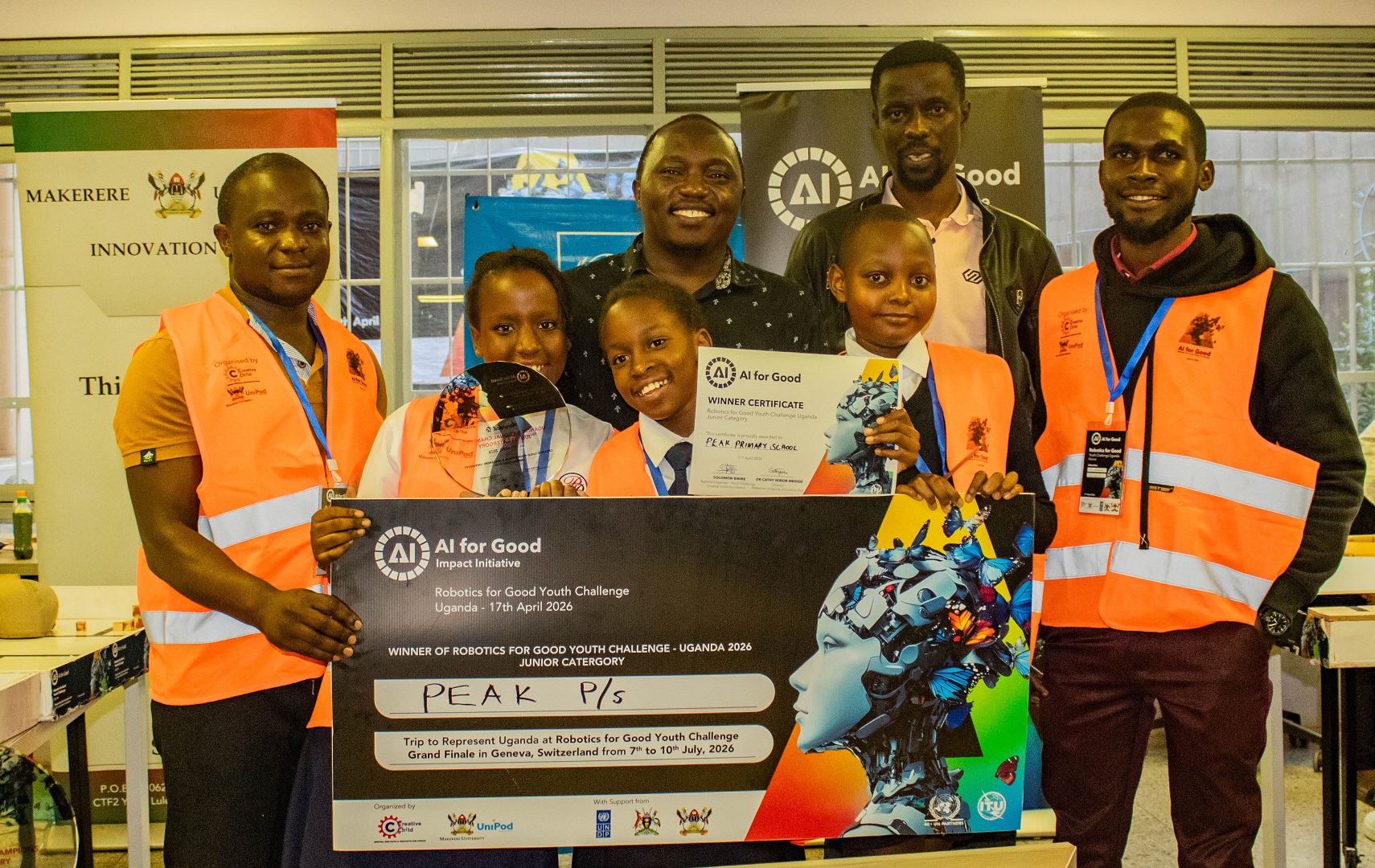
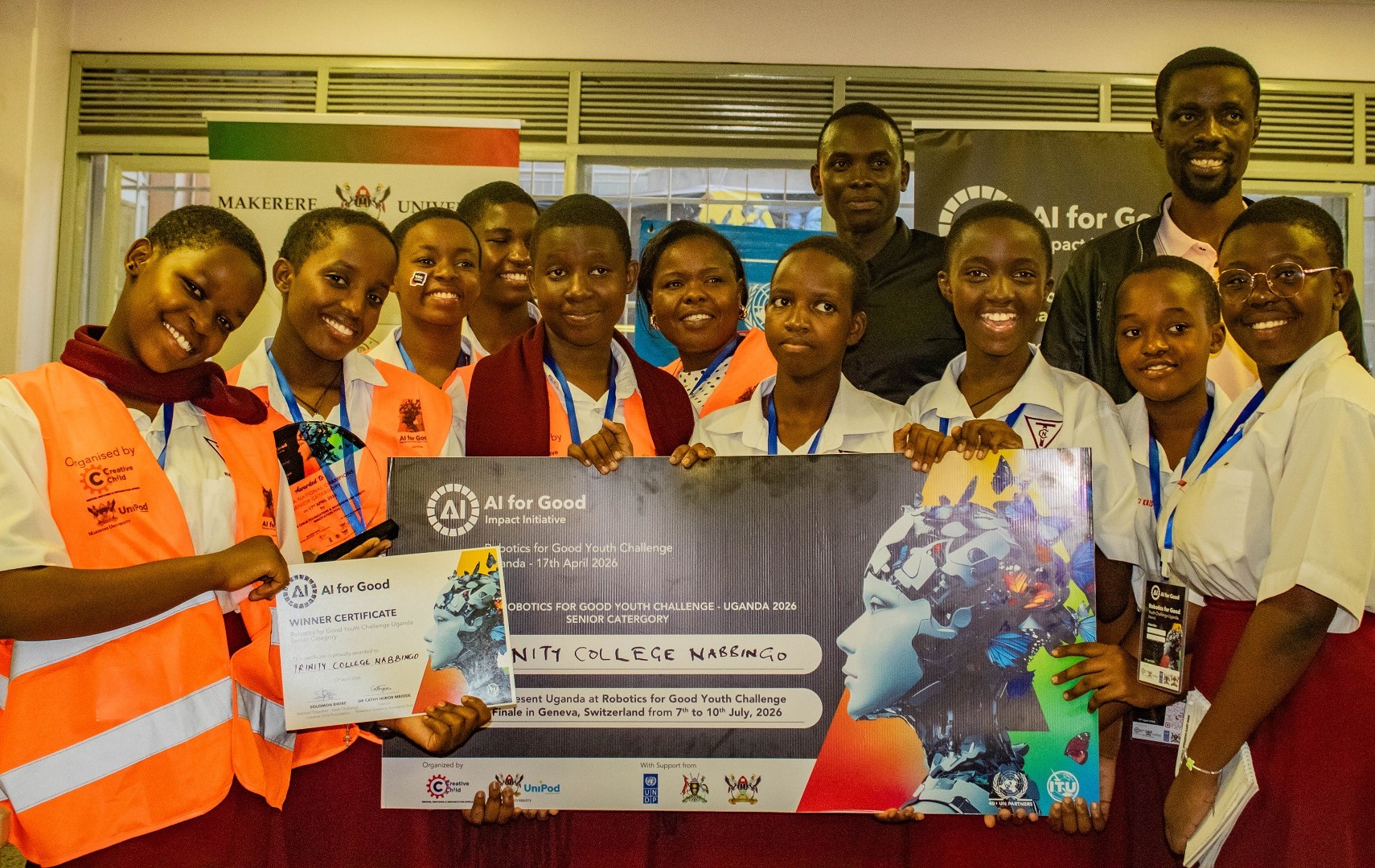
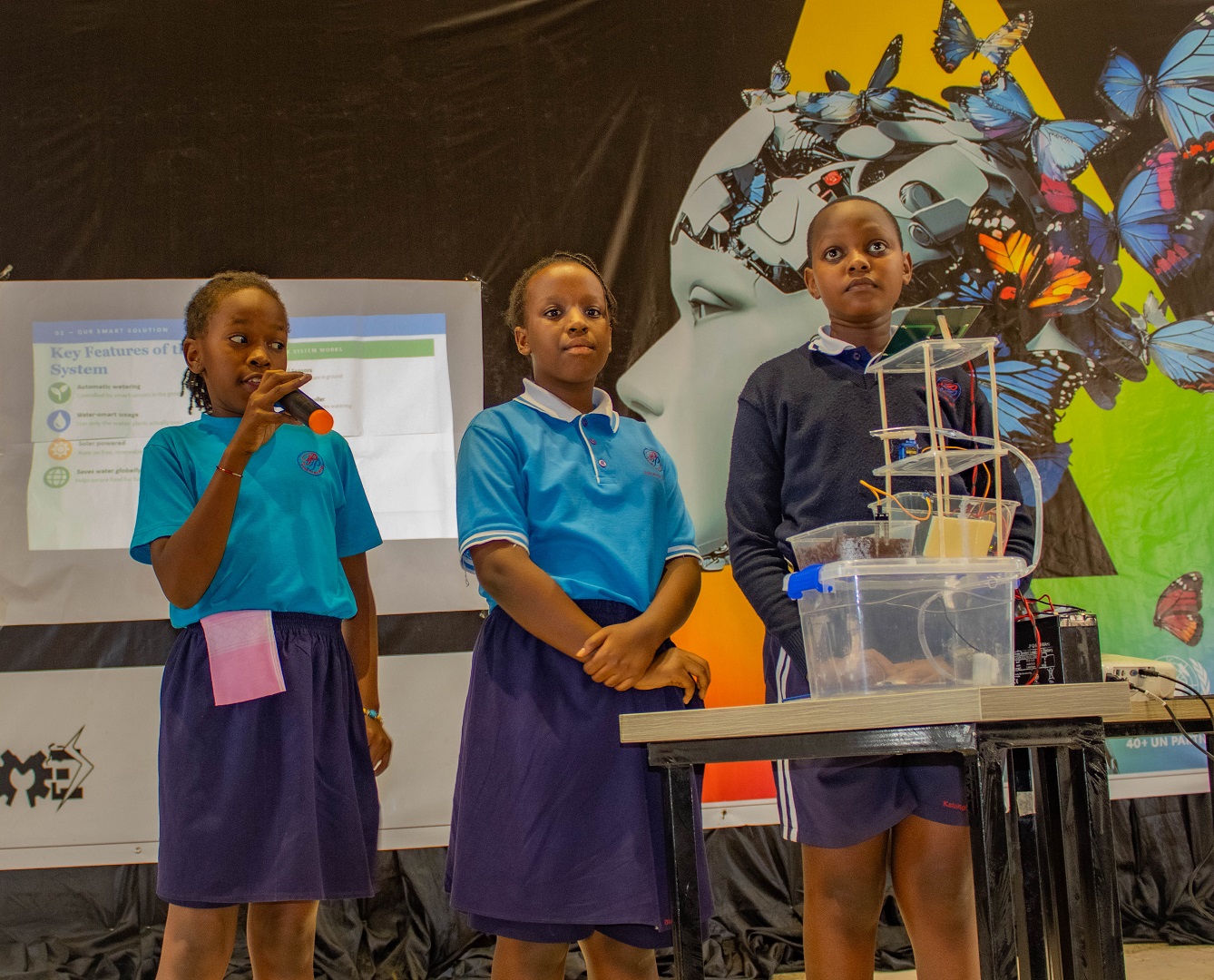
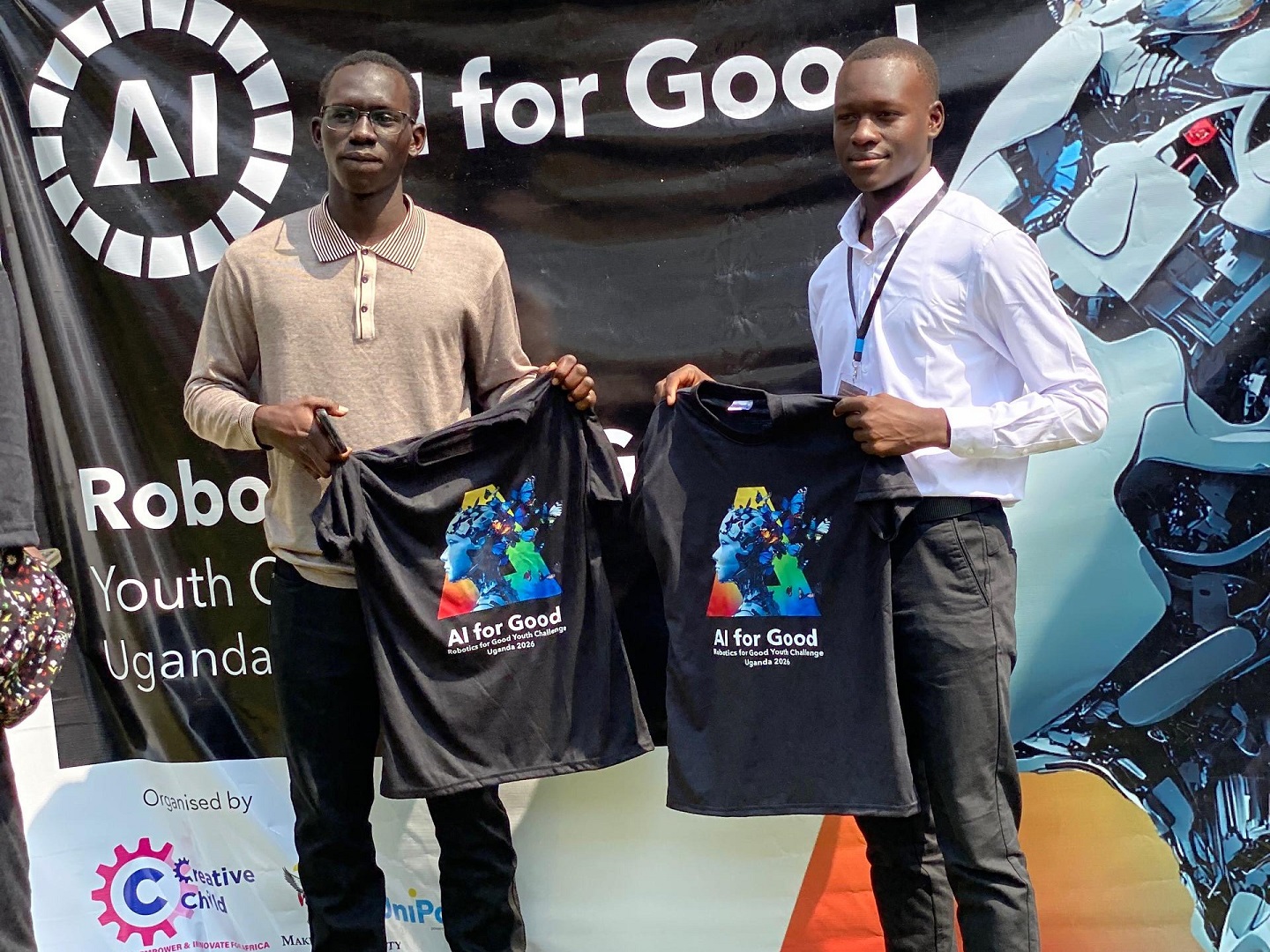
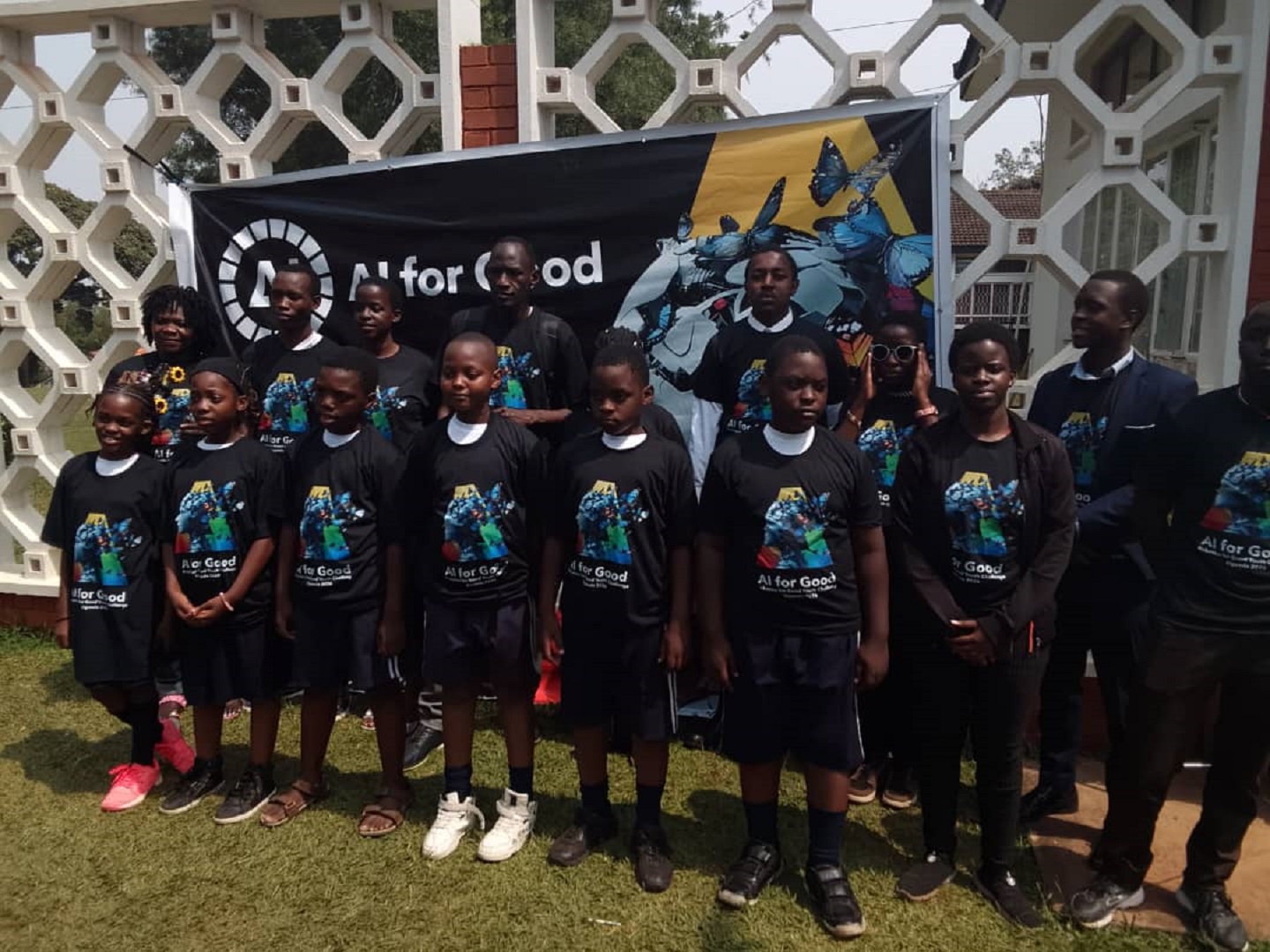
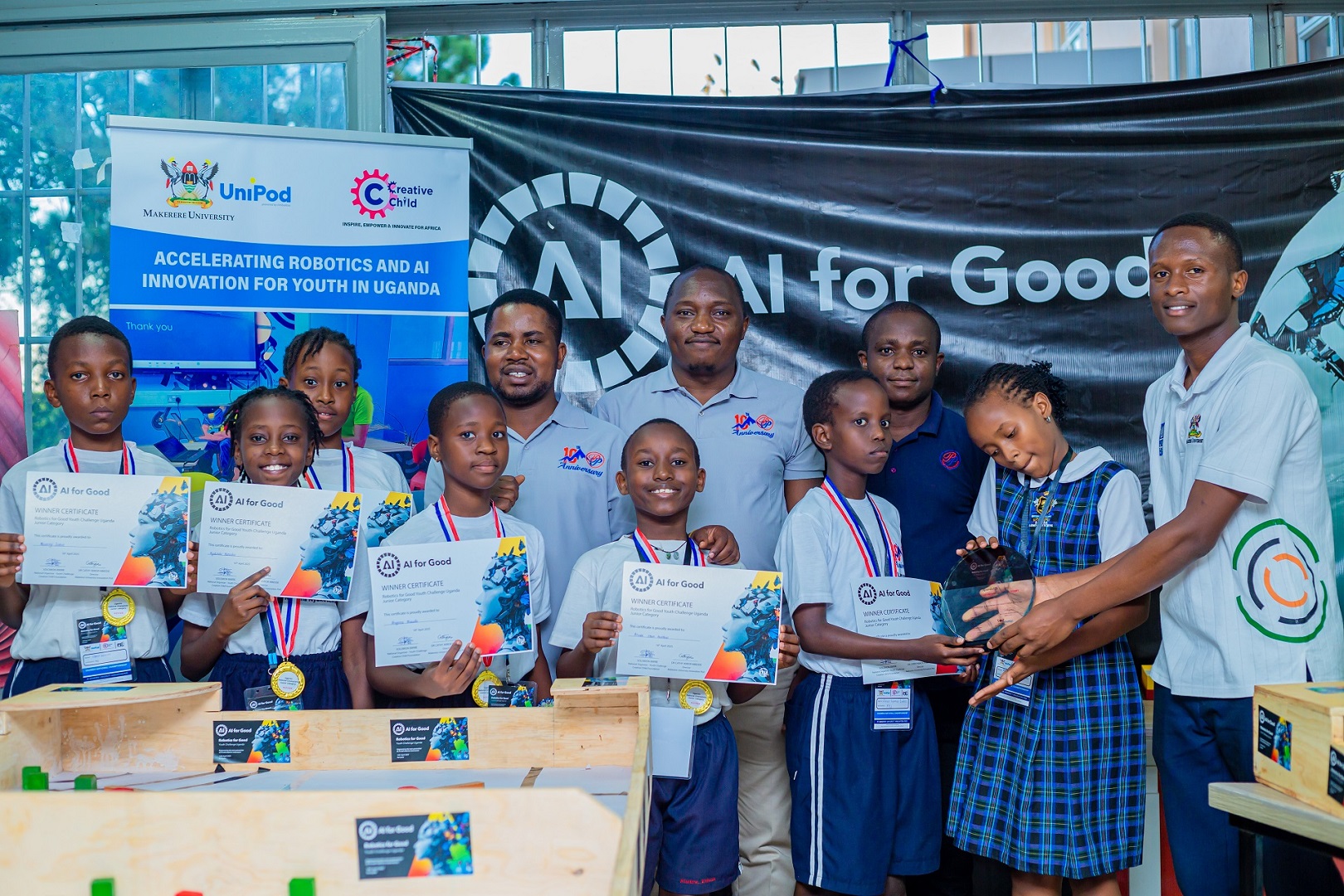
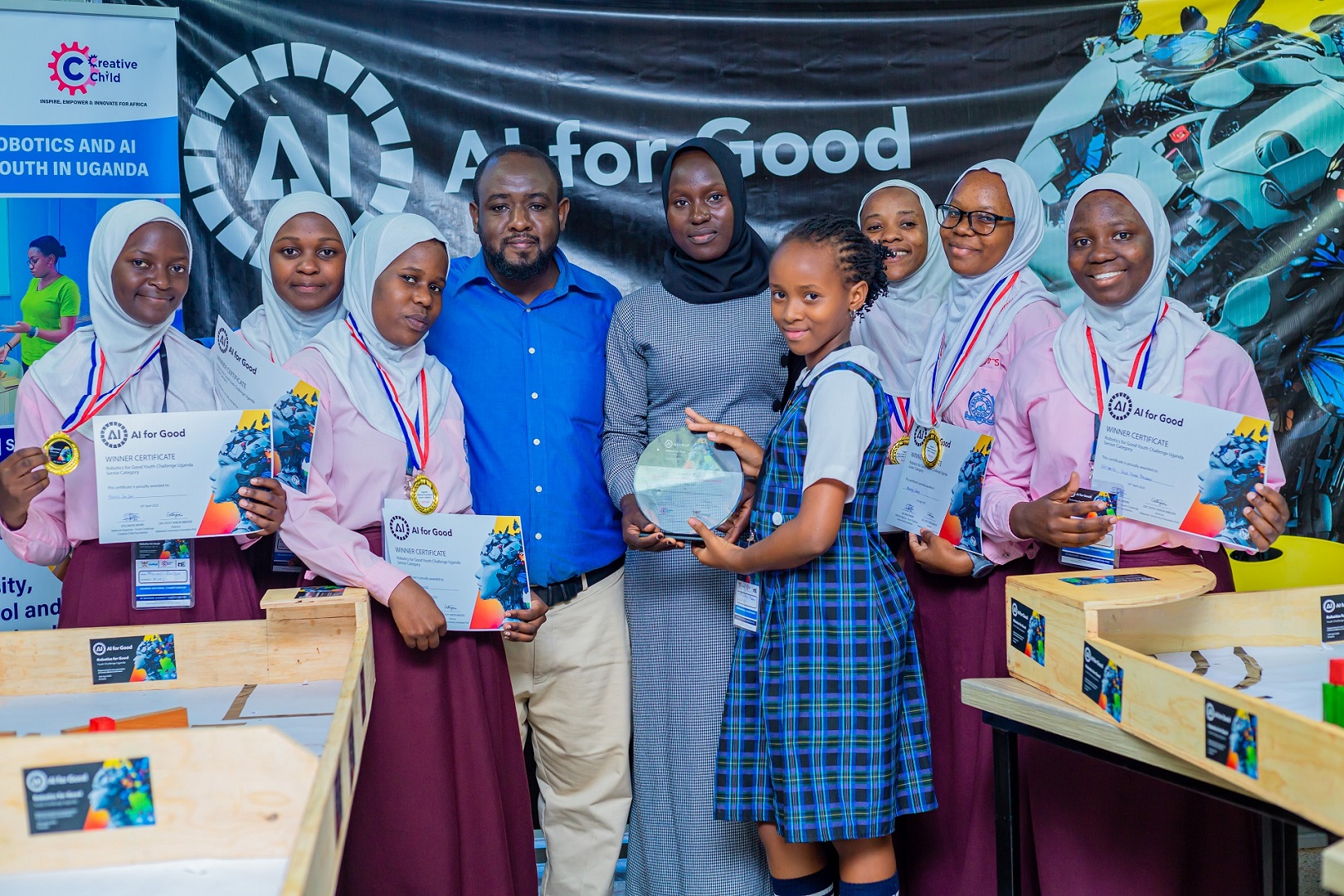
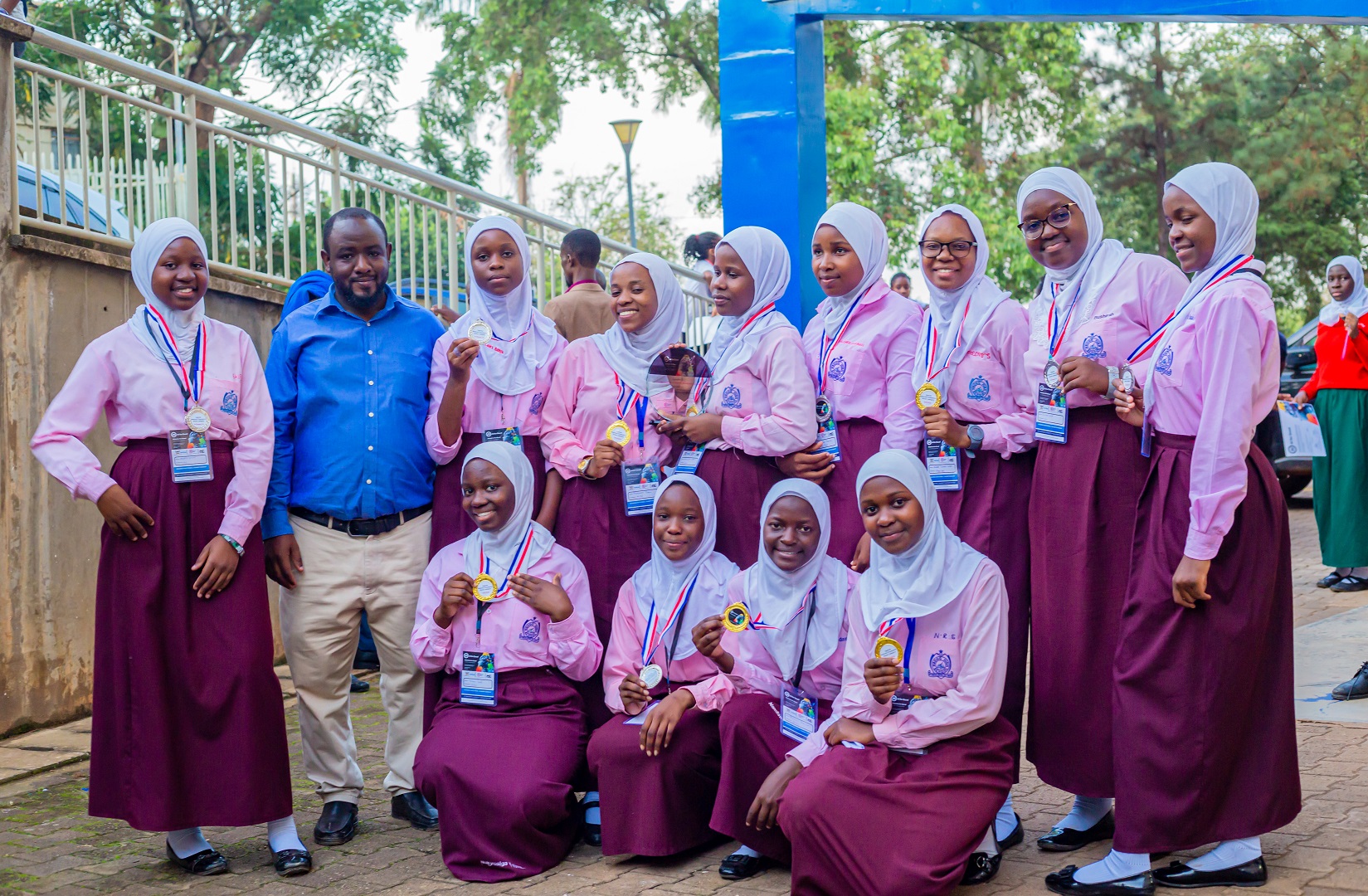
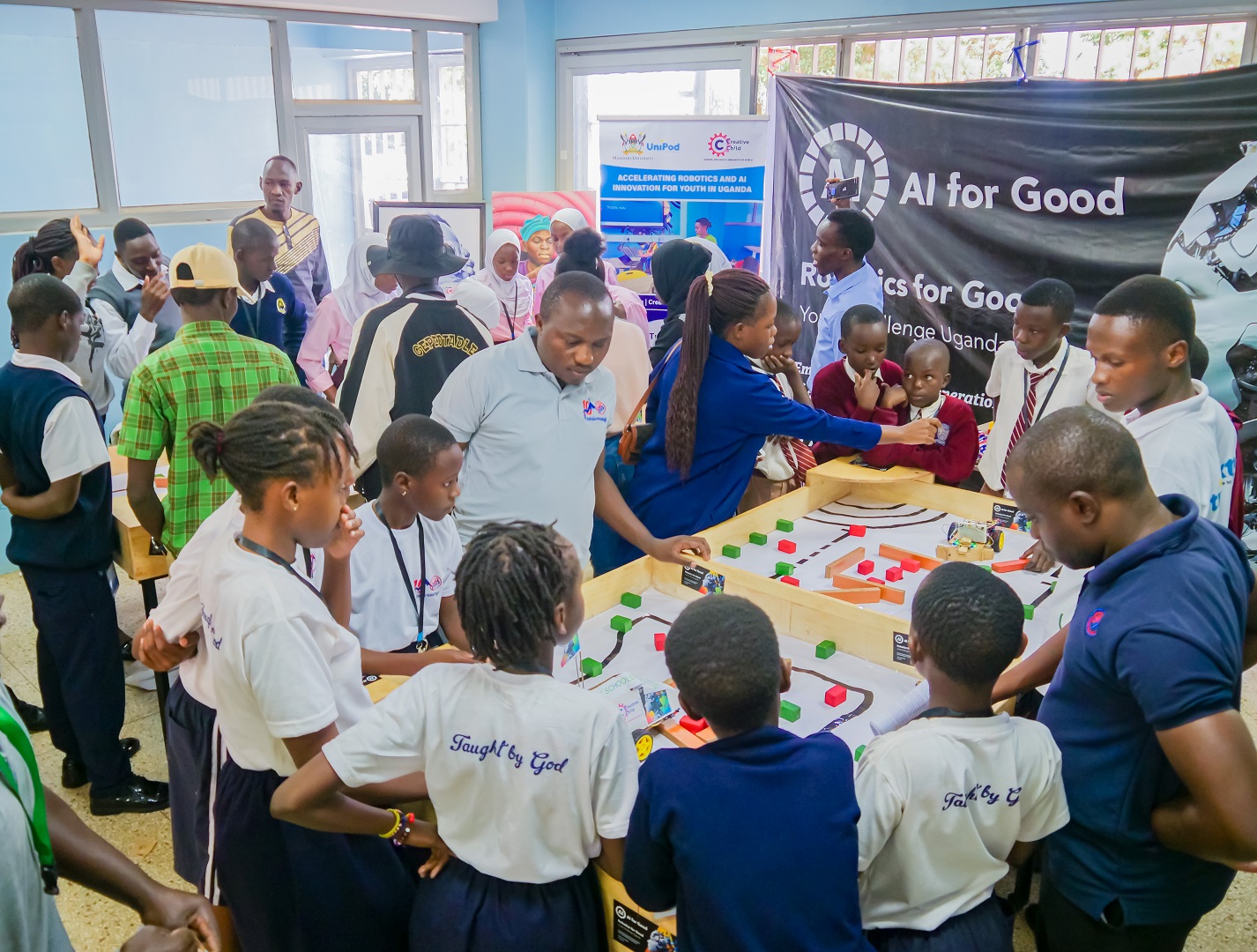
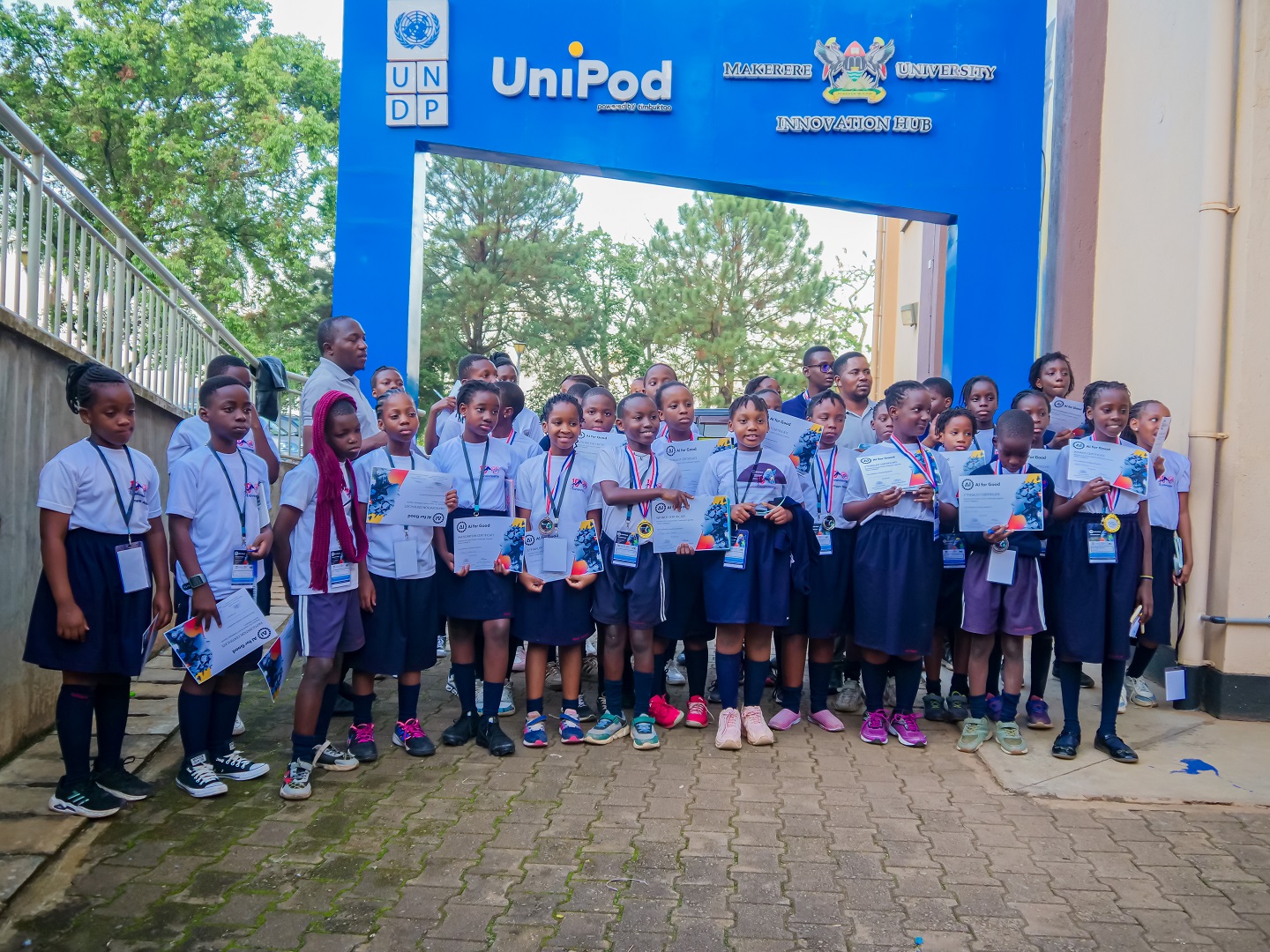
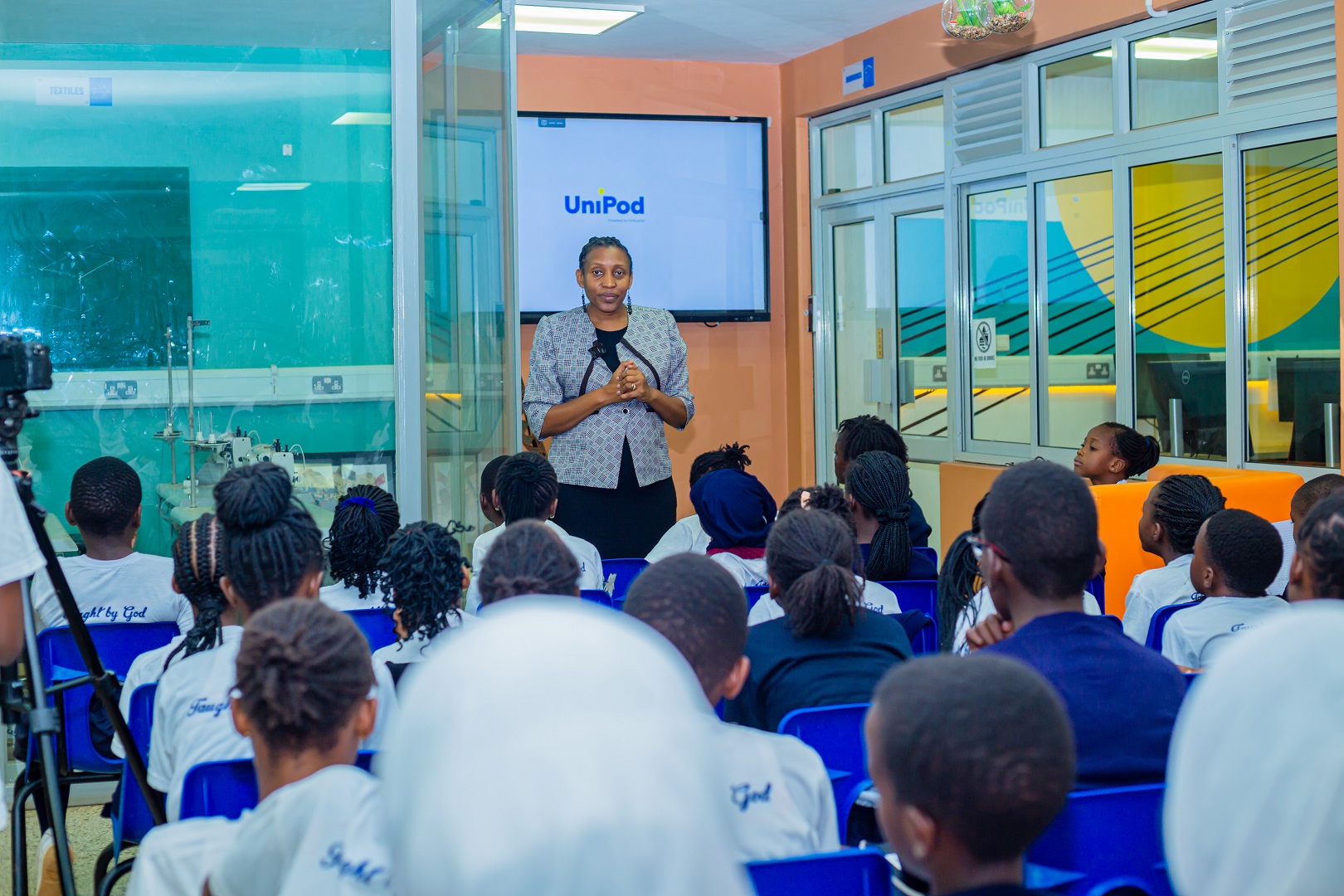
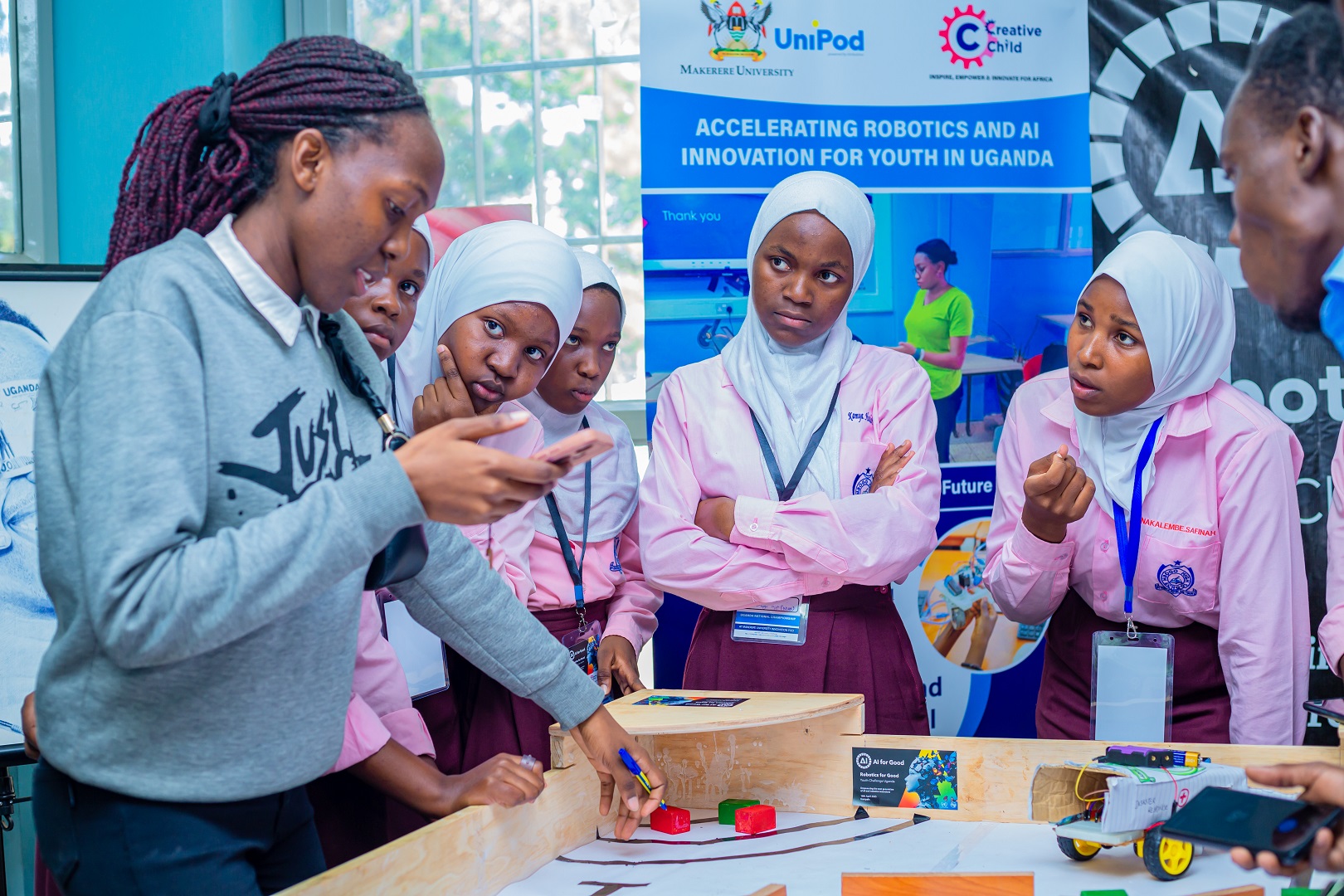
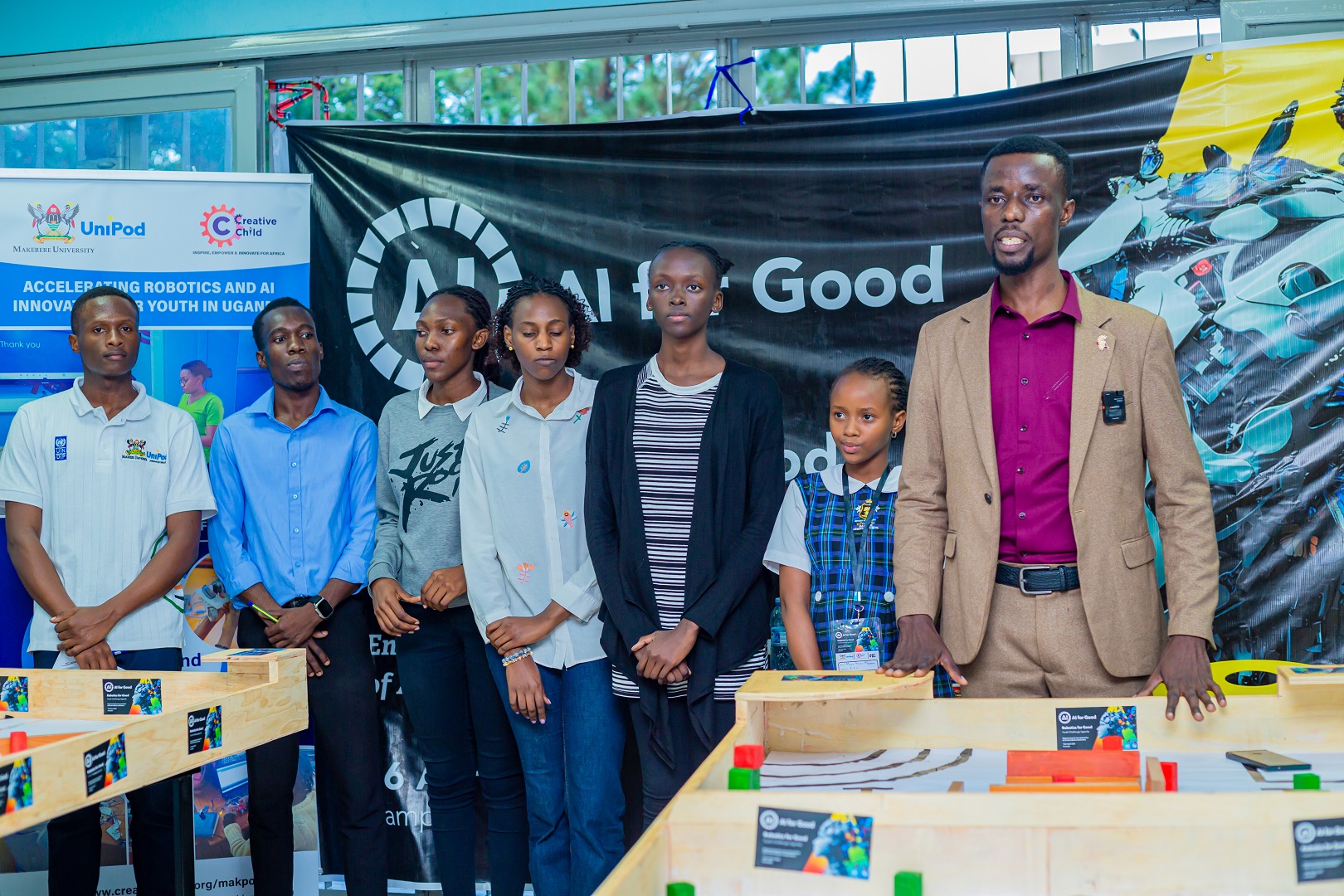
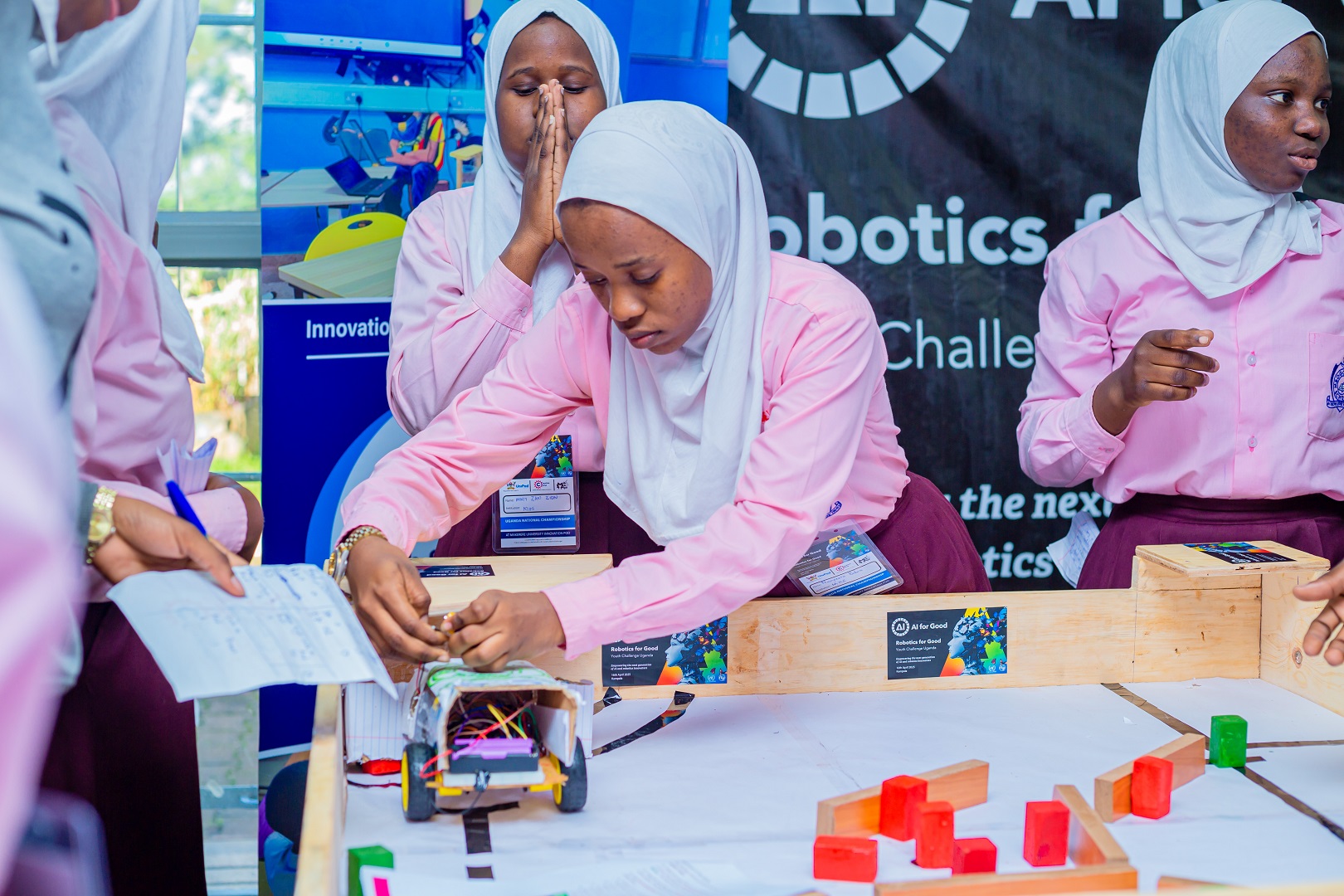
Celebrating winners (global finalists): 2025/2026 edition - Robotics for Good Youth Challenge Uganda
Kampala, Uganda — National championship: April 17, 2026
Uganda’s innovation landscape has taken a bold leap forward through the Robotics for Good Youth Challenge 2025/2026 – Uganda, a transformative national initiative that has empowered hundreds of young people with practical skills in robotics, artificial intelligence, and problem-solving.
The Robotics for Good Youth Challenge is a UN-based global robotics competition that empowers students aged 10–18 to design, build, and program autonomous robots that solve real-world problems. The 2025–2026 challenge theme “Robotics Applied to Agriculture” invites learners to engineer solutions around precision farming, irrigation, pest management, and sustainable food production.
This global initiative is led by the International Telecommunication Union (ITU), the United Nations specialized agency for digital technologies, as part of AI for Good, the United Nations’ leading platform on Artificial Intelligence (AI). Launched in April 2024, the Robotics for Good Youth Challenge is a flagship ITU initiative aimed at promoting robotics and coding among youth worldwide, ensuring that no one is left behind in the robotics and artificial intelligence revolution.
The young innovators have been tasked to design and prototype robotic solutions under this year’s global theme:
"Food security"
Robotics for Good youth challenge is the leading UN-based educational robotics championship, inspired each year by a global challenge where robots provide innovative, practical solutions to real-world problems.
The 2025/2026 Robotics for Good Challenge focuses on Food security
As agriculture faces increasing pressure from resource constraints
and a growing global population, food systems must adapt to meet
ever-higher demand while maintaining productivity and economic
viability. It is essential to optimize the use of available land and water,
improve efficiency, and ensure equitable access to agricultural products.
According to the Food and Agriculture Organization of the United
Nations (FAO), “agriculture must meet the needs of present and future
generations for its products and services, while ensuring profitability and
social and economic equity” (FAO, 2014)
In the face of these challenges, technology has become a key ally in
transforming agricultural practices. For example, precision-agriculture
technologies such as GPS-guided machinery have revolutionized sowing
and harvesting, allowing farmers to maximize yields and reduce waste.
Drone technology is also widely used to monitor crop health and optimize
irrigation systems, demonstrating the practical impact of technological
advances on agriculture. Breakthroughs in robotics and artificial
intelligence offer innovative solutions to optimize resource use, increase
efficiency, and protect biodiversity. Agricultural robots have the potential
to perform critical tasks such as crop selection, irrigation, pest control,
and harvesting, minimizing waste and maximizing precision.
In this context, the Robotics for Good Youth Challenge 2025-2026,
curated by make+learn, focuses on tackling these critical issues through
robotics applied to agriculture. The competition challenges participating
teams to design, build, and program robots capable of solving real-world
problems in the agricultural sector, fostering technological innovation
worldwide.
In this year’s challenge, the mission is divided into two main actions
inspired by real agricultural processes: selective cultivation and
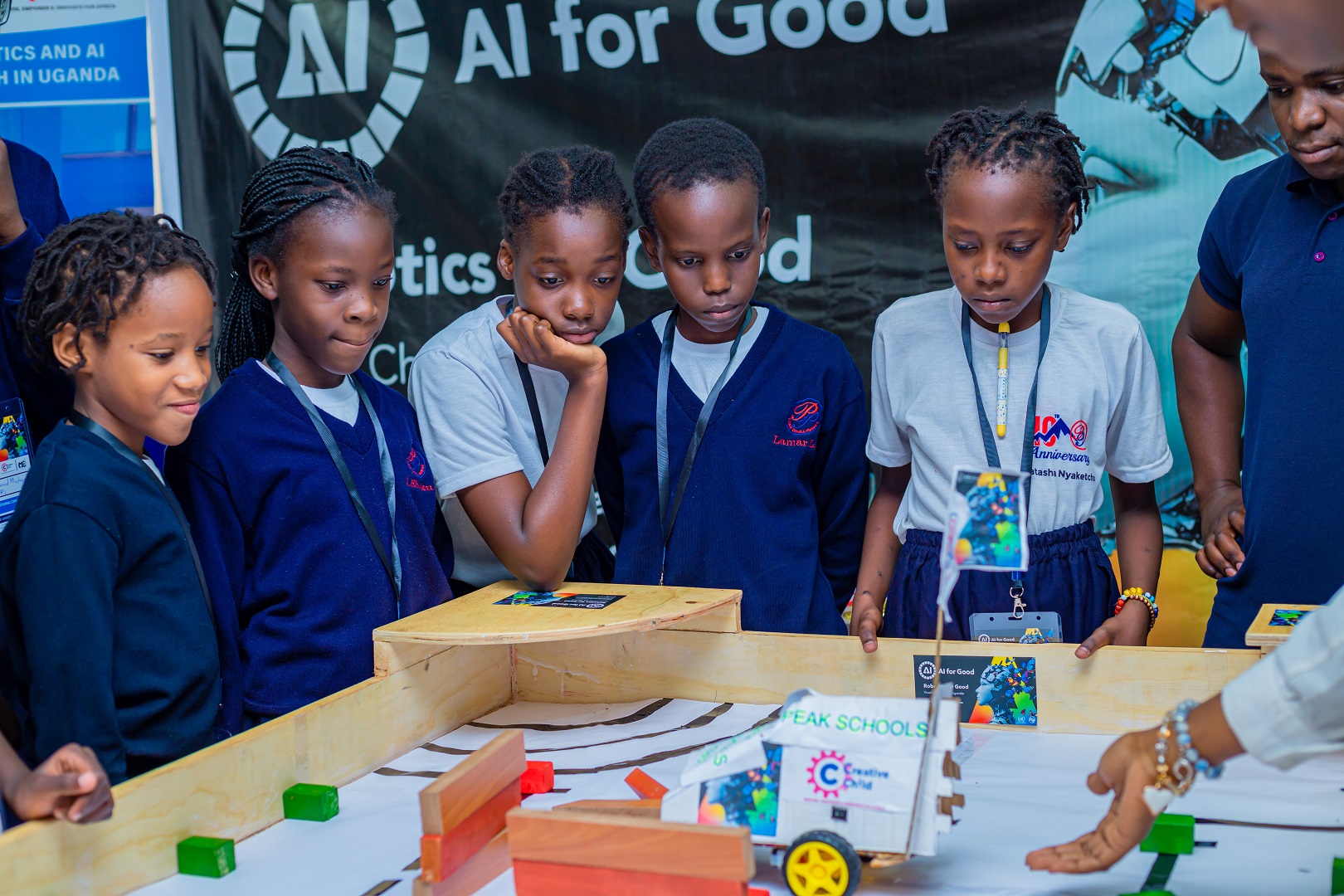
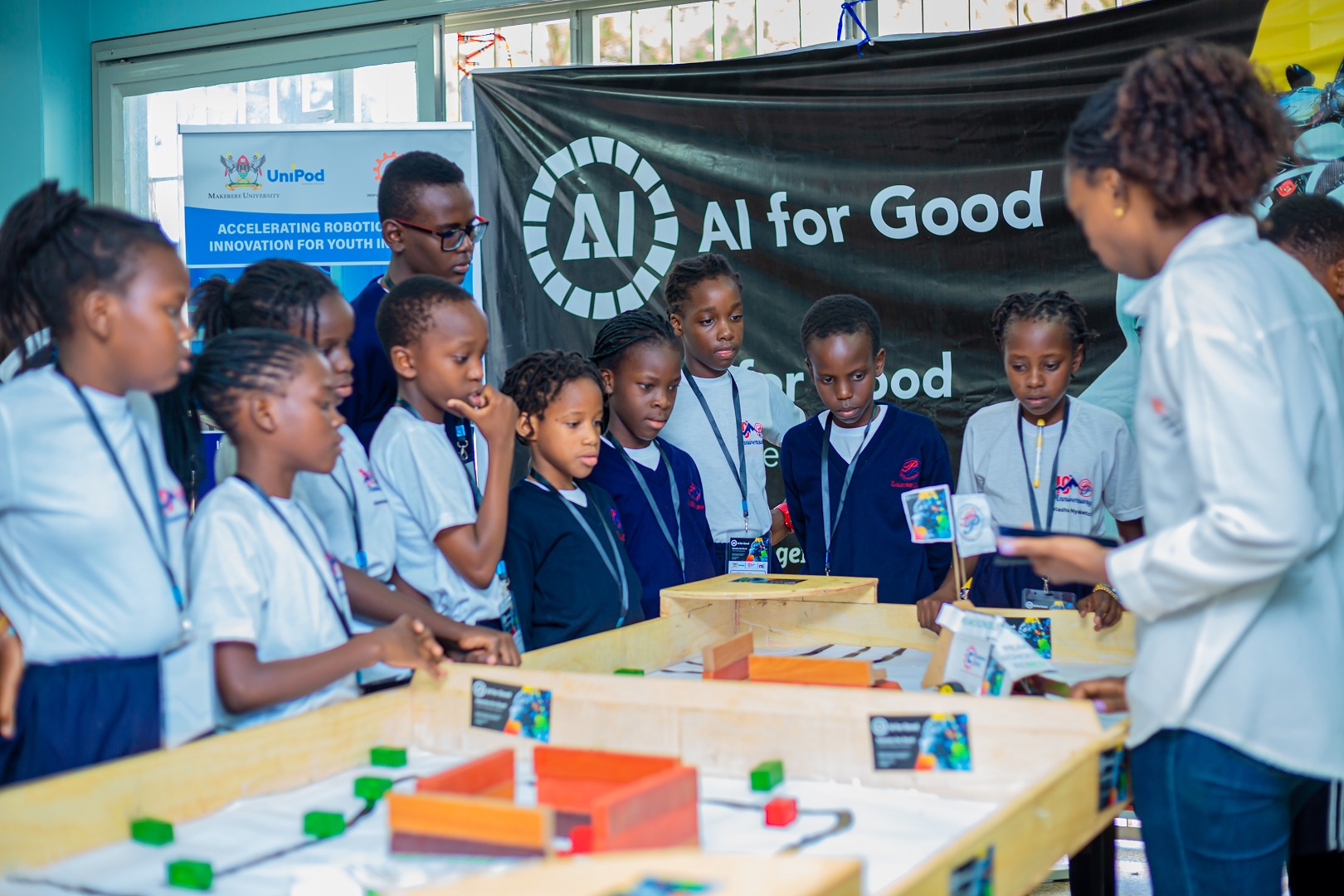
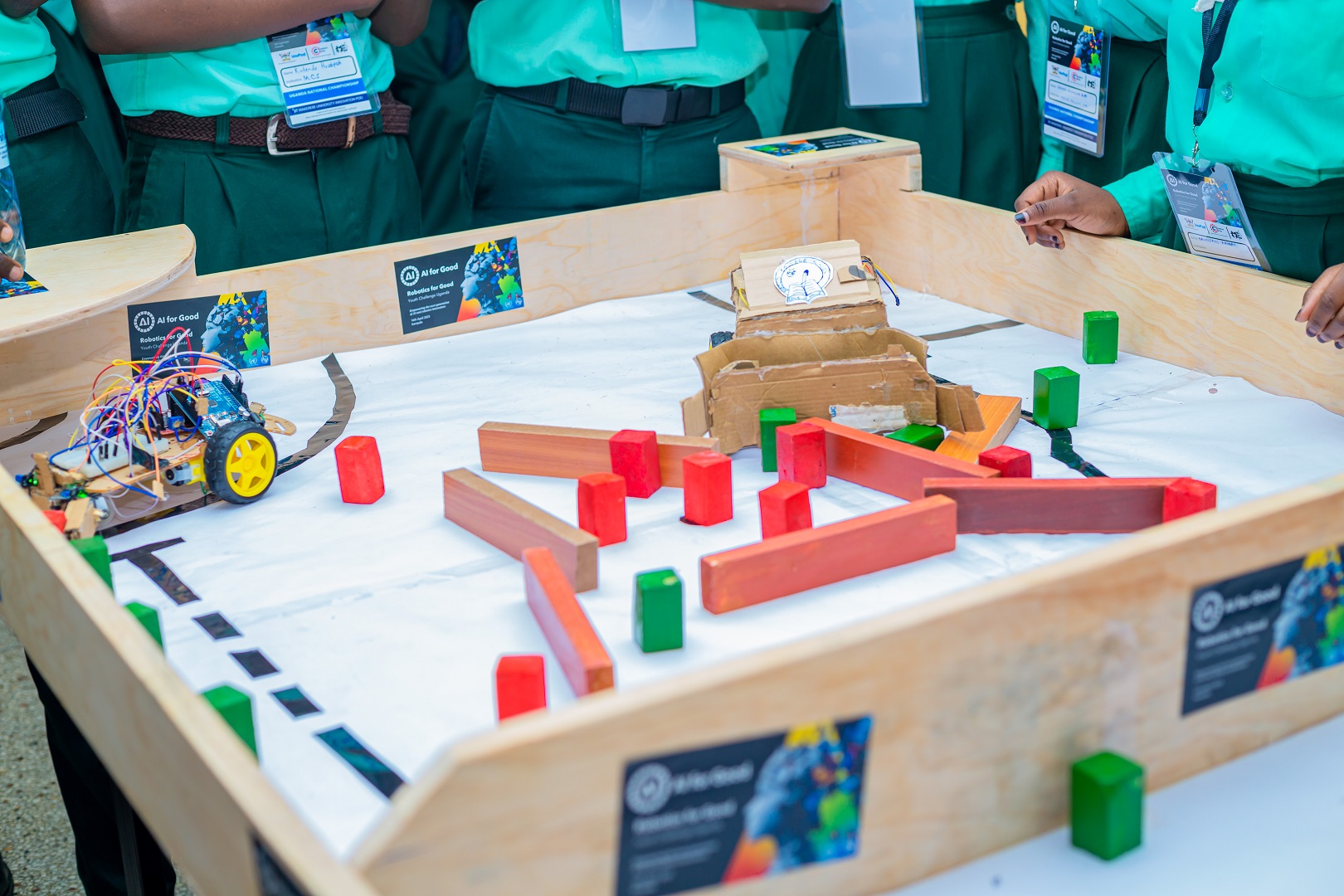
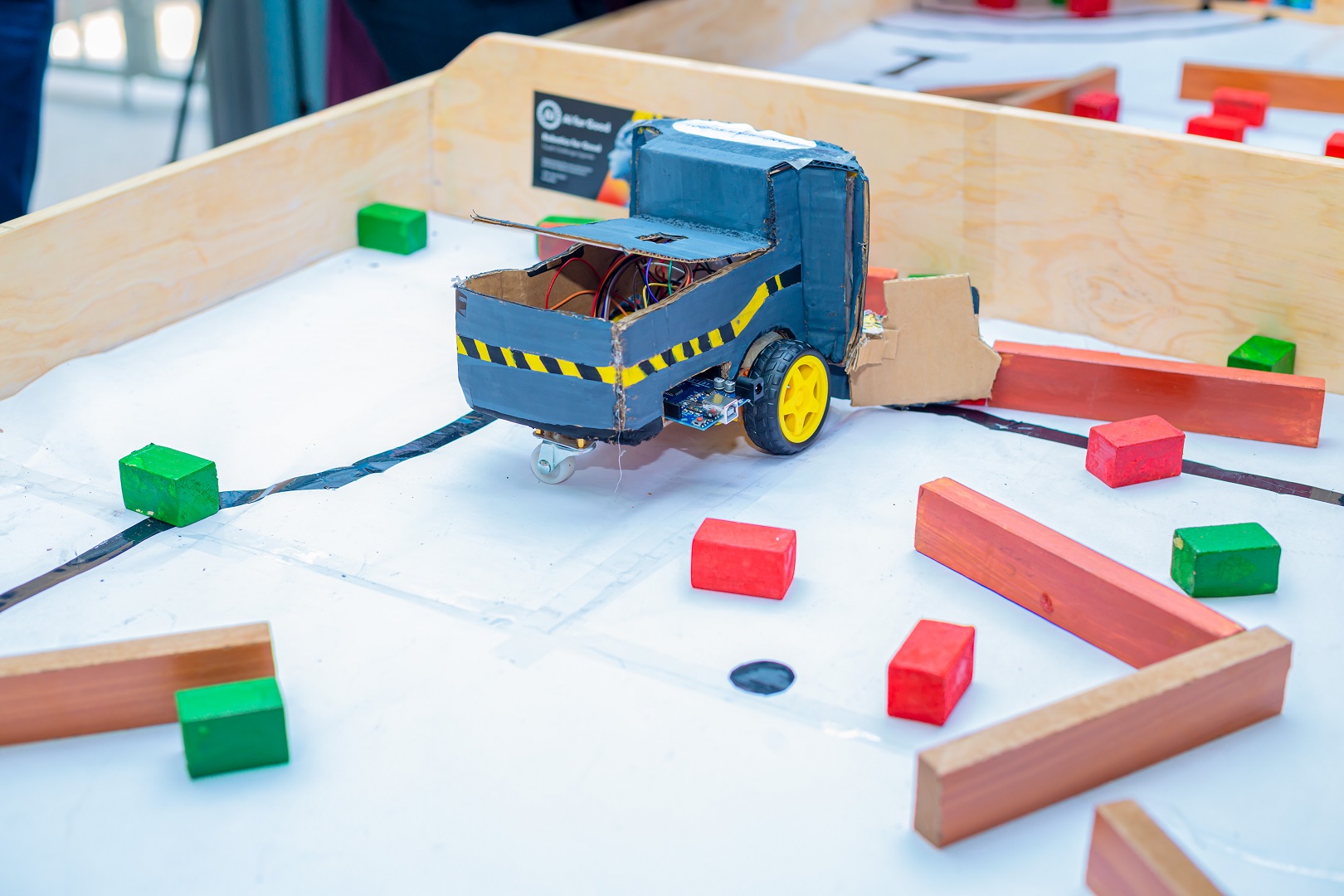
irrigation, and fruit harvesting and sorting. The game field is designed
to simulate these processes and test the robots’ ability to operate
autonomously within a limited time.
Each match lasts 2 minutes, during which the robots must operate
autonomously, with no human intervention once the round begins.
The competition promotes the use of open-source software and hardware, allowing participants full freedom in assembling and programming their robots. Its mission is to democratize access to robotics and AI education, helping to bridge the digital skills gap. The challenge also encourages the use of recycled materials and the development of environmentally friendly technologies, emphasizing the importance of building sustainable robots.
IMPORTANT GUIDELINES & SUBMISSION REQUIREMENTS FOR UGANDA FINALISTS –
ROBOTICS FOR GOOD YOUTH CHALLENGE UGANDA 2025–2026
As you prepare for the finals, we would like to share important guidelines and mandatory
submission requirements aimed at ensuring fairness, inclusivity, and meaningful impact during the
final competition. These guidelines build upon the official rulebook and are specifically designed to
create a balanced and equitable environment for all finalist teams.
Commitment to fair play and equity
Strategic problem-solving
Autonomy and adaptability
Responsible and ethical engineering
All teams are expected to uphold the highest standards of integrity and respect for fellow competitors,
referees, and the competition environment.
Hardware transparency
All finalist teams will be required to submit a brief disclosure of the components used in their robots,
including controllers, sensors, and mechanical systems. This promotes transparency and ensures a
level playing field for all participants.
Emphasis on Low-Cost and Scalable Innovation
In alignment with the challenge theme of sustainable agriculture and real-world impact, teams are
strongly encouraged to design solutions that are:
Cost-effective
Scalable in low-resource environments
Built using locally available or easily accessible materials
We particularly encourage approaches that incorporate:
Locally sourced materials
Recycled or repurposed components
Simple, efficient engineering designs
We discourage:
Fully pre-assembled proprietary solutions that bypass student learning
Hidden automation modules not understood by the team
Mandatory Finalist Submissions
To strengthen evaluation and showcase the depth of your innovation, each finalist team is required
to submit the following:
Robot Concept Note (2–4 pages)
This document should clearly outline:
Team details: Name, School, Class, Age, Gender
Overview of your robot design and objectives
System architecture (hardware and software)
Key components used and their functions
Cost breakdown of your entire robot implementation
Description of how the robot was built (including use of local or recycled materials, if applicable)
Power requirements and operational constraints
Strategy for completing Mission 1 (Cultivation & Irrigation) and Mission 2 (Harvesting & Sorting)
Challenges faced and how they were solved
Innovation Pitch Deck (5–10 slides)
Your pitch deck should present your broader food security innovation, including:
Problem statement (linked to agriculture/food systems)
Your solution and how the robot contributes to solving it
Teams will be invited to present this pitch during the finals judging sessions.
Low-Cost Innovation Recognition
Special consideration will be given to teams that demonstrate:
High performance using minimal resources
Creative use of local materials
Solutions that can be replicated in schools and farming communities
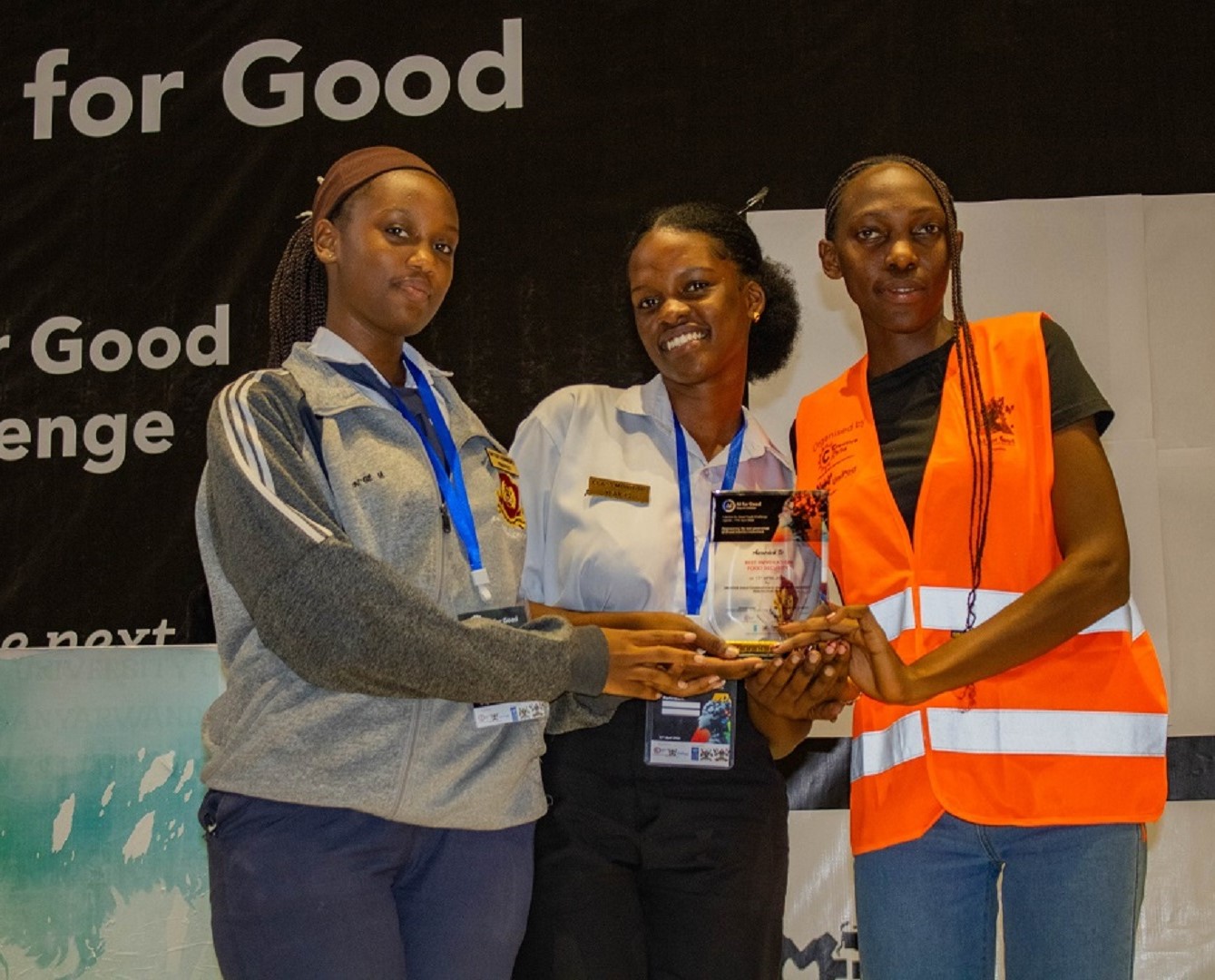
Such teams will be eligible for the “Best low-cost innovation” Award, and this aspect will
contribute to the overall evaluation under cost efficiency and impact.
Finals judging focus
In addition to match performance, the finals will place increased emphasis on:
Innovation and strategy
Cost-to-impact efficiency
Practical relevance to agricultural challenges
We look forward to witnessing solutions that combine technical excellence with accessibility, creativity, and impact.
Kindly ensure that all required submissions are completed and shared with the organizing committee (yc@creativechildf.org, CC: lapoljesca@gmail.com). Should
you require any clarification, please do not hesitate to contact us.
About the Robotics for Good Youth Challenge
Robotics for Good Youth Challenge is an UN-based educational robotics championship that each year is inspired on a global challenge in relation to which robots offer practical solutions to advance the United Nations’ Sustainable Development Goals (SDGs).
Participants design, build and program a robot that completes a mission based on one of these goals. While learning robotics and coding, students gain more than just technical know-how, but also vital working-life and future skills, including but not limited to teamwork, problem-solving, project management, critical thinking, and information retrieval.
The competition fosters free-software and hardware robotics, allowing unrestricted assembly and programming of the robots. It aims to promote inclusivity, enabling learning in robotics and coding regardless of gender, socio-economic status, or academic ability. Additionally, it encourages the use of recycled materials and environmentally friendly solutions, emphasizing the development of sustainable robots.
Why Participate?
National Championship: Compete at the Uganda National Championship and showcase your ideas to a panel of judges from the fields of robotics, AI, and technology.
Global Finals: Winning teams will earn the opportunity to represent Uganda at the global finals in Geneva during the AI for Good Summit, where the world's top minds in AI and robotics gather to shape a better future.
Inspire Change: Use your creativity and technical skills to develop solutions that can have a real, measurable impact on communities and the environment.
Who Can Participate?
Junior category: Teams of young innovators aged 8-13.
Senior category: Teams of young innovators aged 12-18.
Advanced category: Teams of young innovators aged 19-25.
NOTE: Participants must be passionate about robotics, AI, and creating solutions that can contribute to achieving the SDGs.
Key Dates:
Opening workshop at Gayaza High School: 18/12/2025
School training workshops: 8/12/2025 to 6/04/2026
Regional mini competitions: 10/04/2026
Uganda National Championship: 17/04/2026
Global finals at AI for Good Summit, Geneva: 7-8/07/2026
Program Schedule
Venue: Makerere University, Yusuf Lule Central Teaching Facility (Auditorium)
Date: Friday, 17th April 2026
Duration: 9:00 am - 4:00 pm
Time
Activity
Details
8:30 AM - 9:00 AM
Arrival & Registration
Participant check-in (teams, teachers, guests)
Setup of robotics arenas and exhibition spaces
Media and partner registration
9:00 AM - 9:20 AM
Opening Session
National Anthem
Opening Prayer
Welcome remarks – Creative Child Foundation
Welcome remarks – Makerere University Innovation Pod
Welcome remarks – International Telecommunication Union
9:20 AM - 9:35 AM
Event Orientation & Competition Briefing
Overview of the Robotics for Good Youth Challenge 2026
Explanation of competition rules and judging criteria
Introduction of judges and technical officials
Team grouping and rotation guidelines
9:35 AM -1:00 PM
CORE COMPETITION, INNOVATION & SIDE EVENTS (PARALLEL SESSIONS)
TRACK A: Robotics Challenge (Preliminary Rounds)
Robot inspection and compliance check
Trial runs and calibration
Preliminary competition runs
Initial scoring and ranking
TRACK B: Innovation Pitching (Preliminary Rounds)
Team presentations (primary, secondary, university levels)
Q&A sessions with judges
Shortlisting of top finalists
TRACK C: STEM CAPACITY BUILDING & LEARNING SESSIONS (SIDE EVENTS)
Introduction to computer programming, robotics, and artificial intelligence
Development of public speaking and presentation skills for young innovators
Mentorship sessions with engineers, innovators, and university students
10:30 PM - 12:30 PM
Exhibition & Demo Zone (Ongoing)
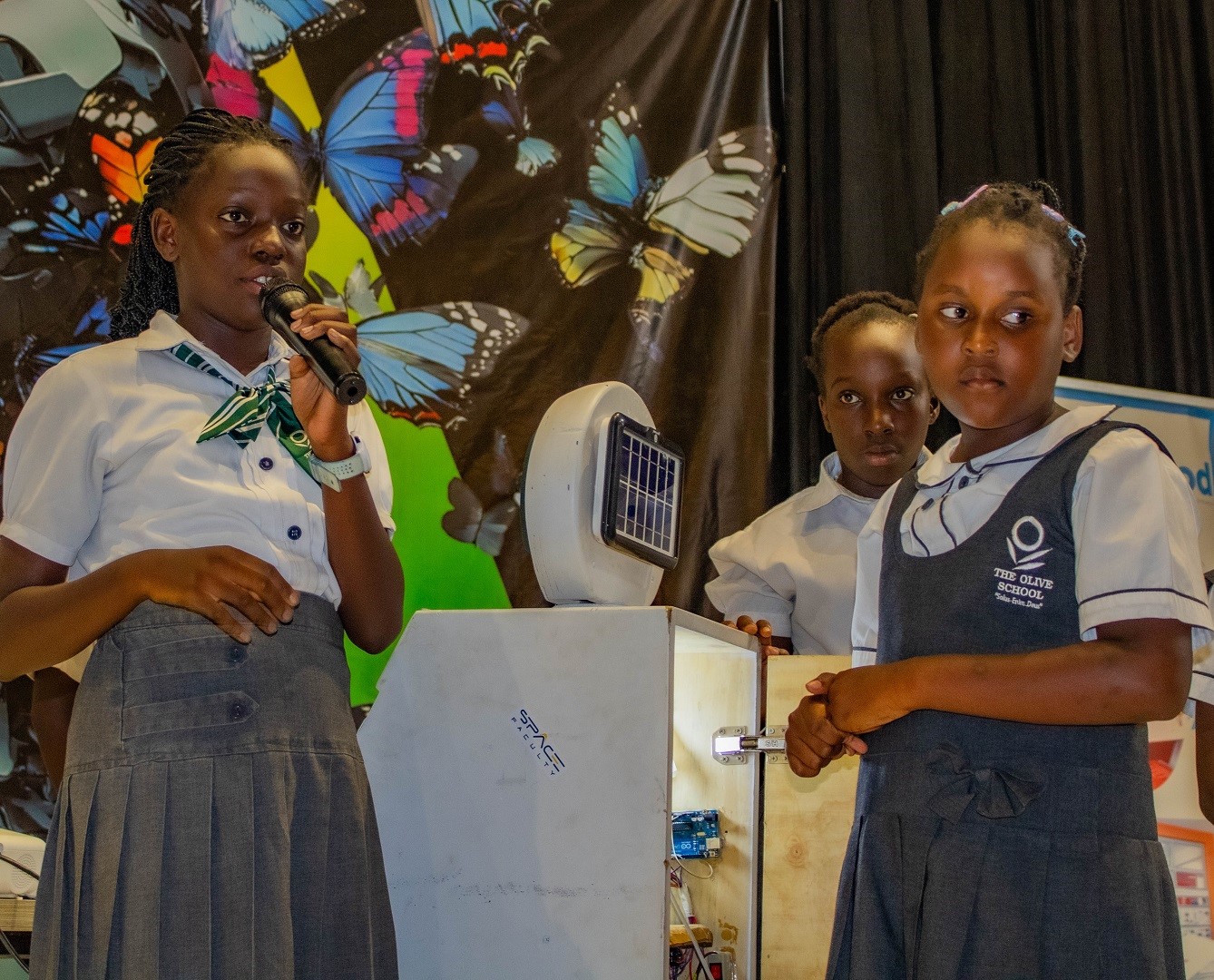
Robotics showcases from finalist teams
Exhibitions from primary, secondary, and tertiary institutions
University innovation displays
Interactive learning stations
Networking opportunities with mentors, innovators, and peers
1:00 PM - 2:00 PM
Lunch Break & Networking
Interaction between students, teachers, partners
Engagement with mentors and innovators
Media interviews and documentation
2:00 PM - 2:45 PM
Judges Deliberation & Finalist Preparation
Compilation of scores
Selection of top finalists (robotics & innovation)
Finalists briefing and preparation
2:45 PM - 3:00 PM
Arrival of Chief Guest & Dignitaries
Protocol reception
Recognition and seating of guests and dignitaries
3:00 PM - 3:10 PM
Official Welcome & Introduction of Dignitaries
Acknowledgement of dignitaries
Brief event recap
3:10 PM - 3:30 PM
FINAL ROBOTICS CHALLENGE ROUNDS
Top teams compete live before audience and Chief Guest
Judges finalize scoring
3:30 PM - 3:45 PM
TOP INNOVATION PITCHES (FINALISTS)
Final presentations on Food Security innovations
Final evaluation by judges
3:45 PM - 3:55 PM
High-Level Remarks
Remarks – Director, Makerere University Technology & Innovation Center
Remarks – Vice Chancellor, Makerere University
Remarks – UNDP Uganda
Remarks – Chief Guest
Reflections on youth innovation and national development
3:55 PM - 4:10 PM
Awards & Recognition
Special Awards (Girls in STEM, Creativity, Impact)
Best Innovation – Food Security
High impact innovation award
Best Junior Team (Global finalist)
Best Senior Team (Global finalist)
Best University Team (Regional finalist)
4:10 PM - 4:15 PM
Closing & Group Photo
Vote of Thanks
Official closing
Group photo and media engagement
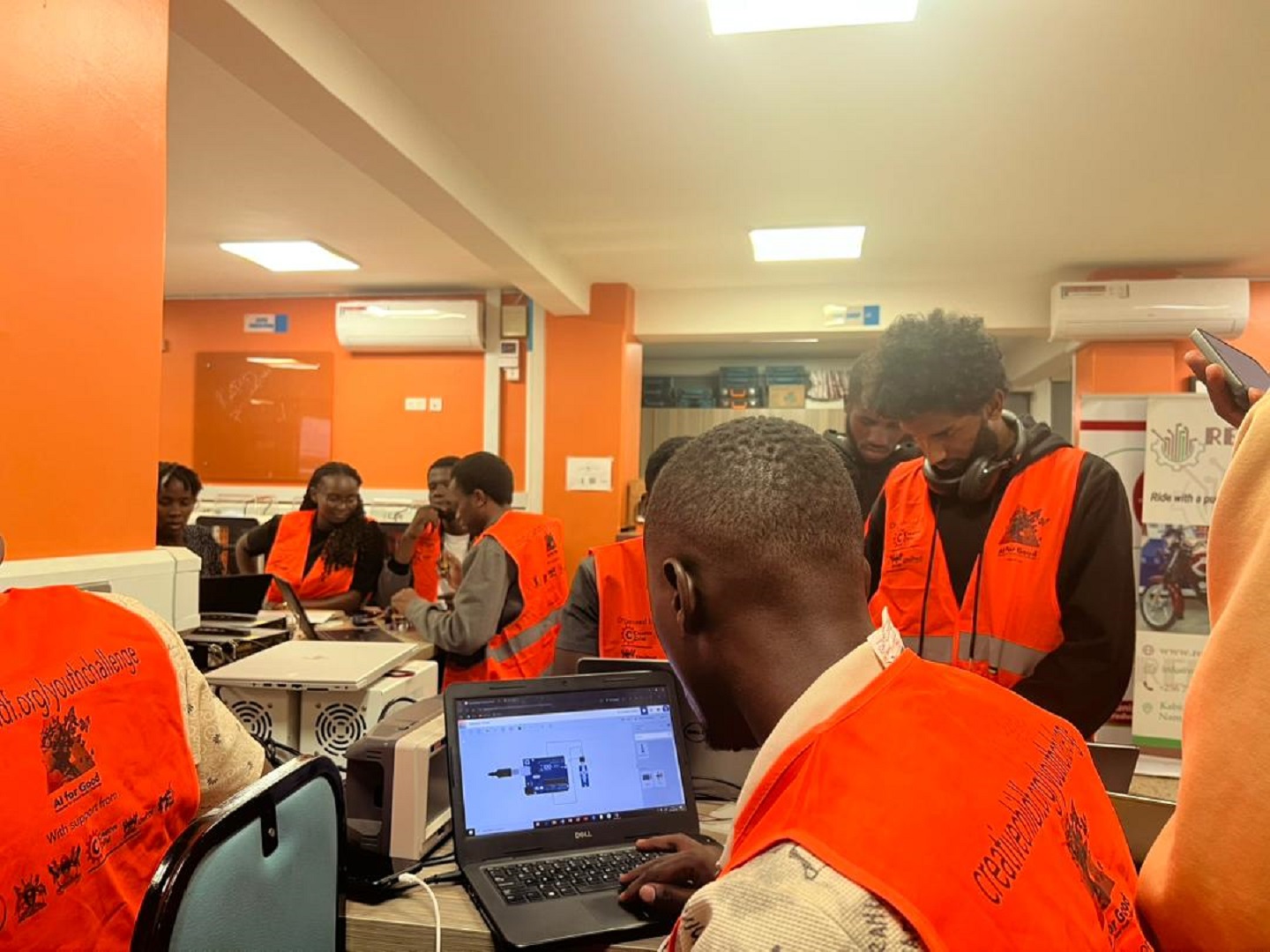
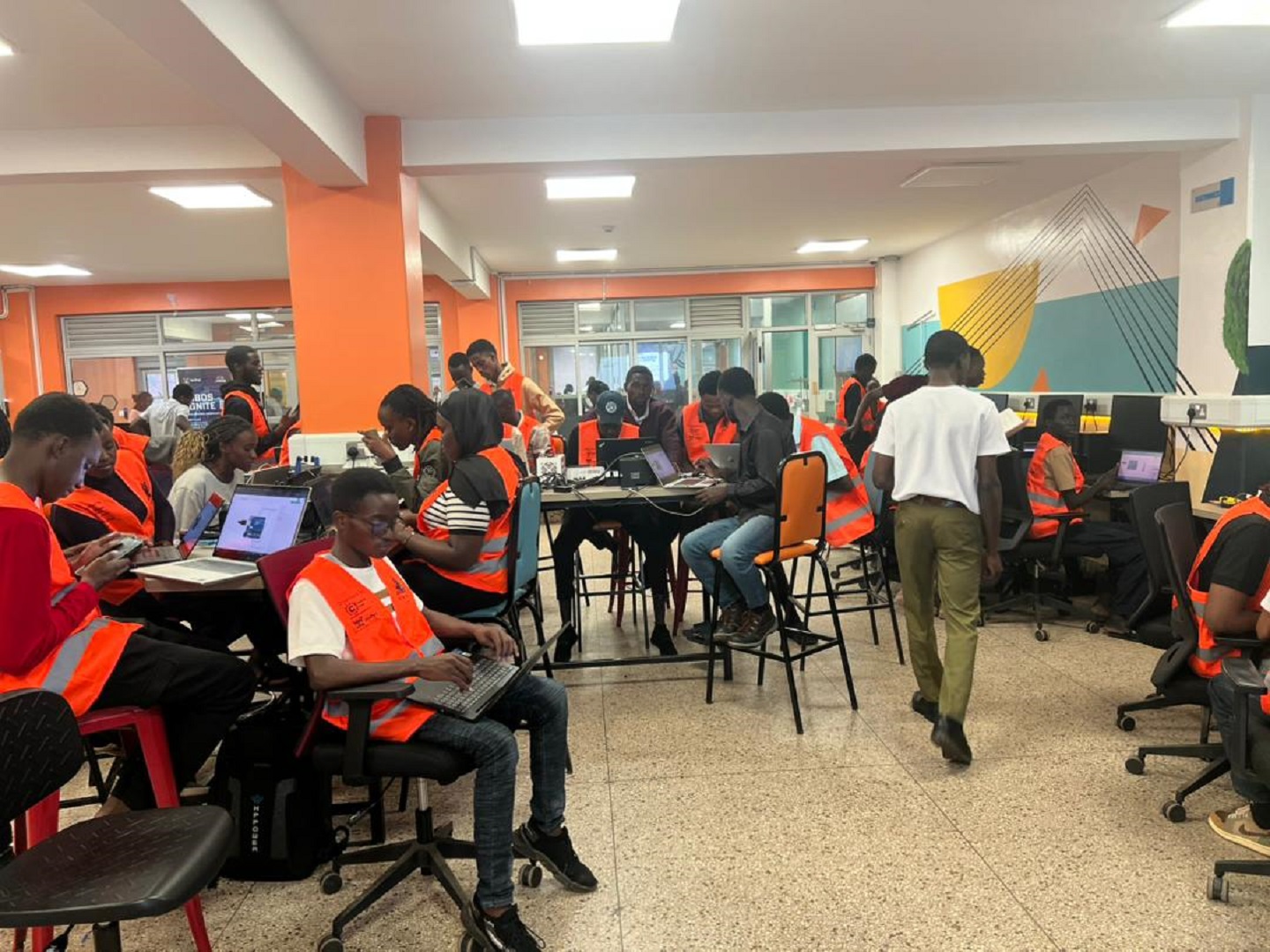
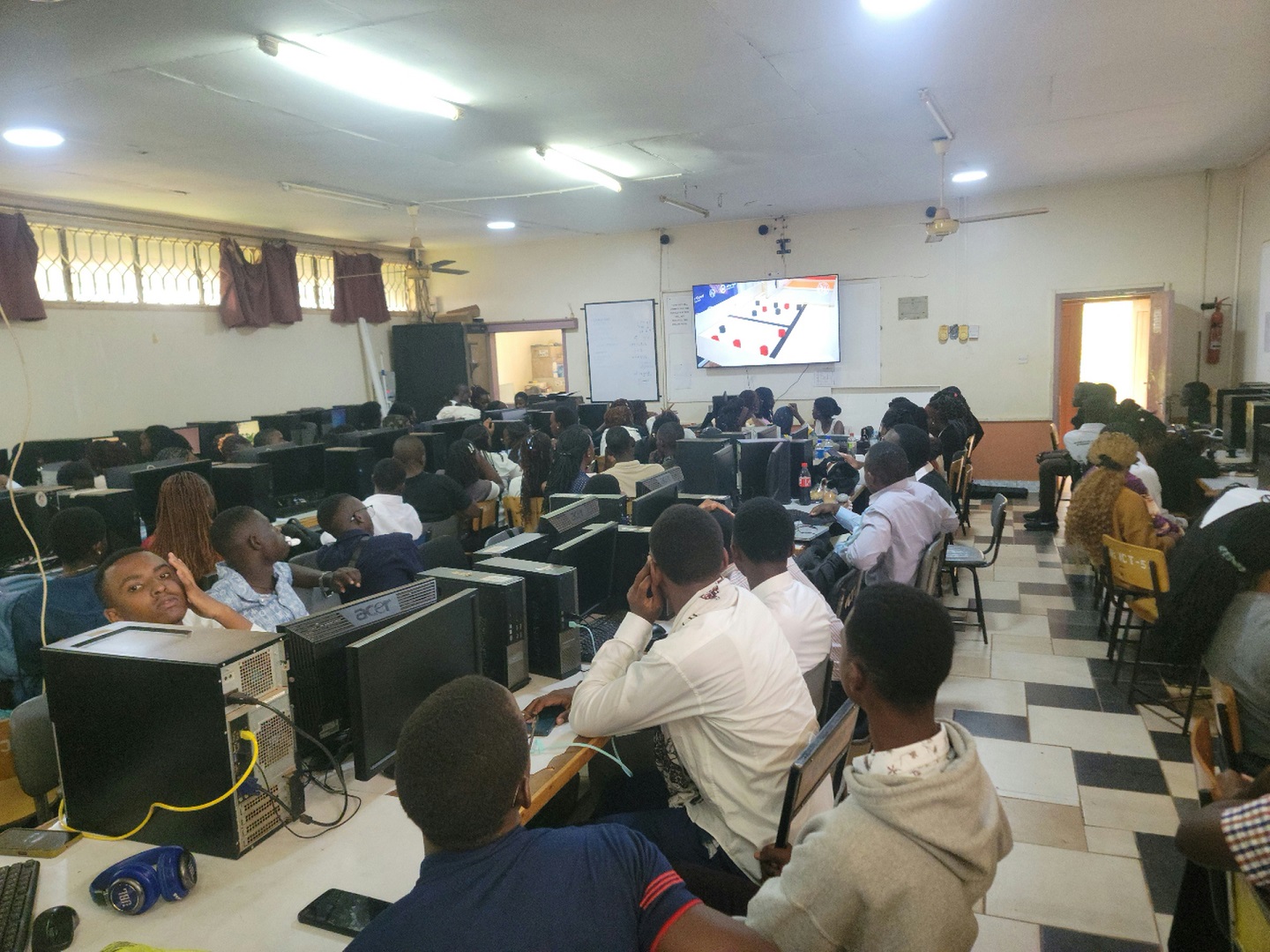
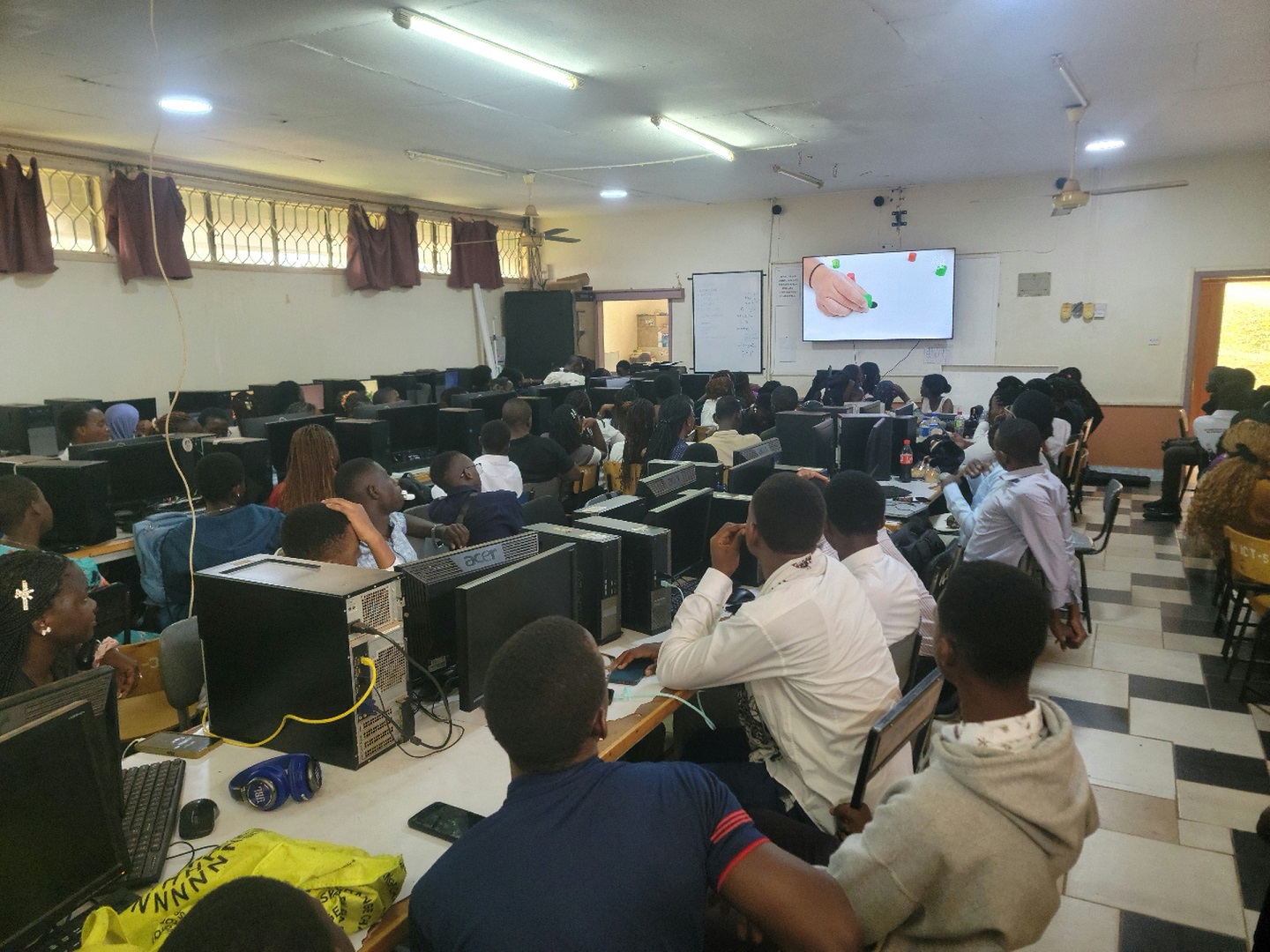
A week of Robotics & AI training at Makerere University - RFG youth challenge 2026 edition
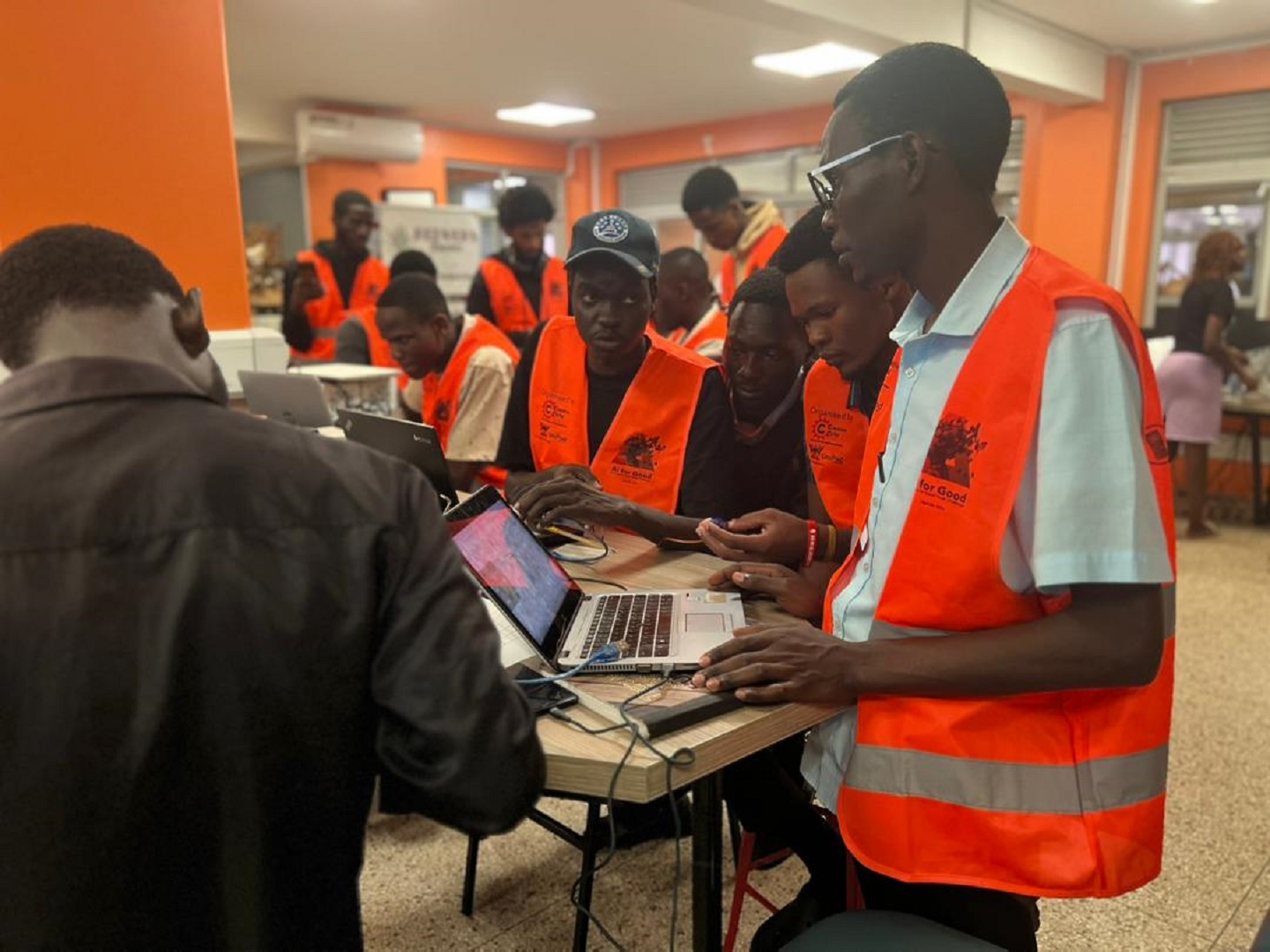
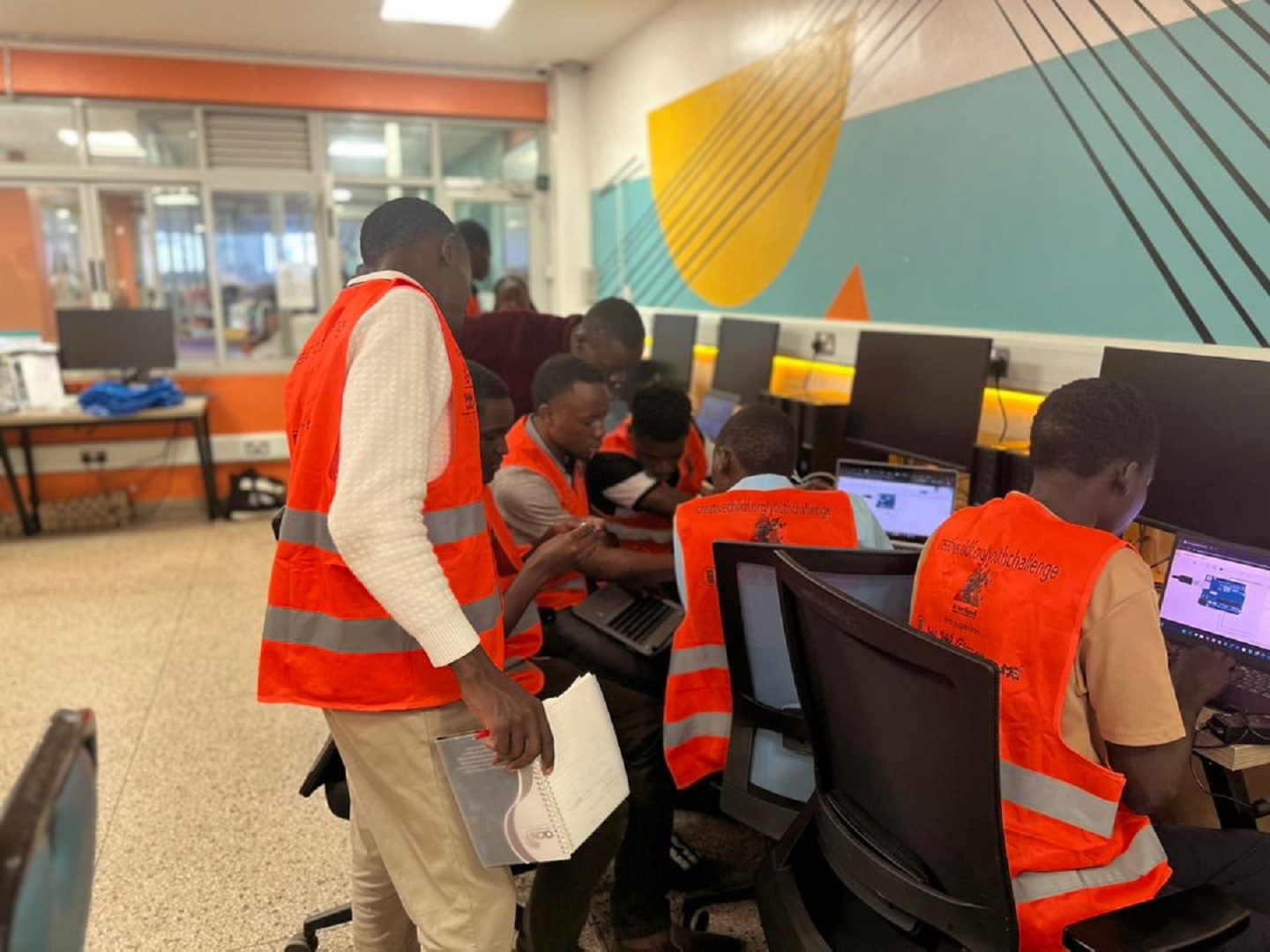
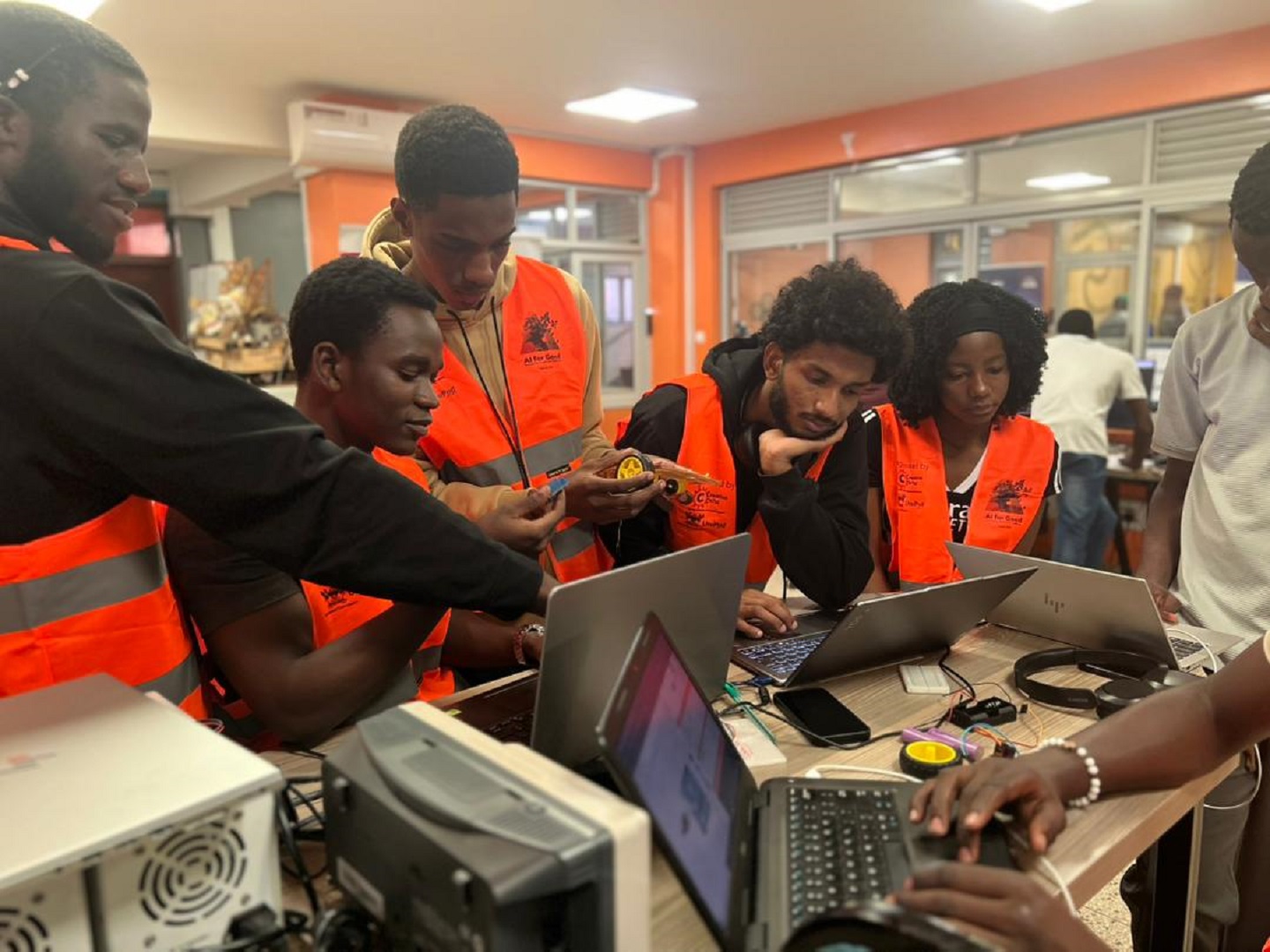
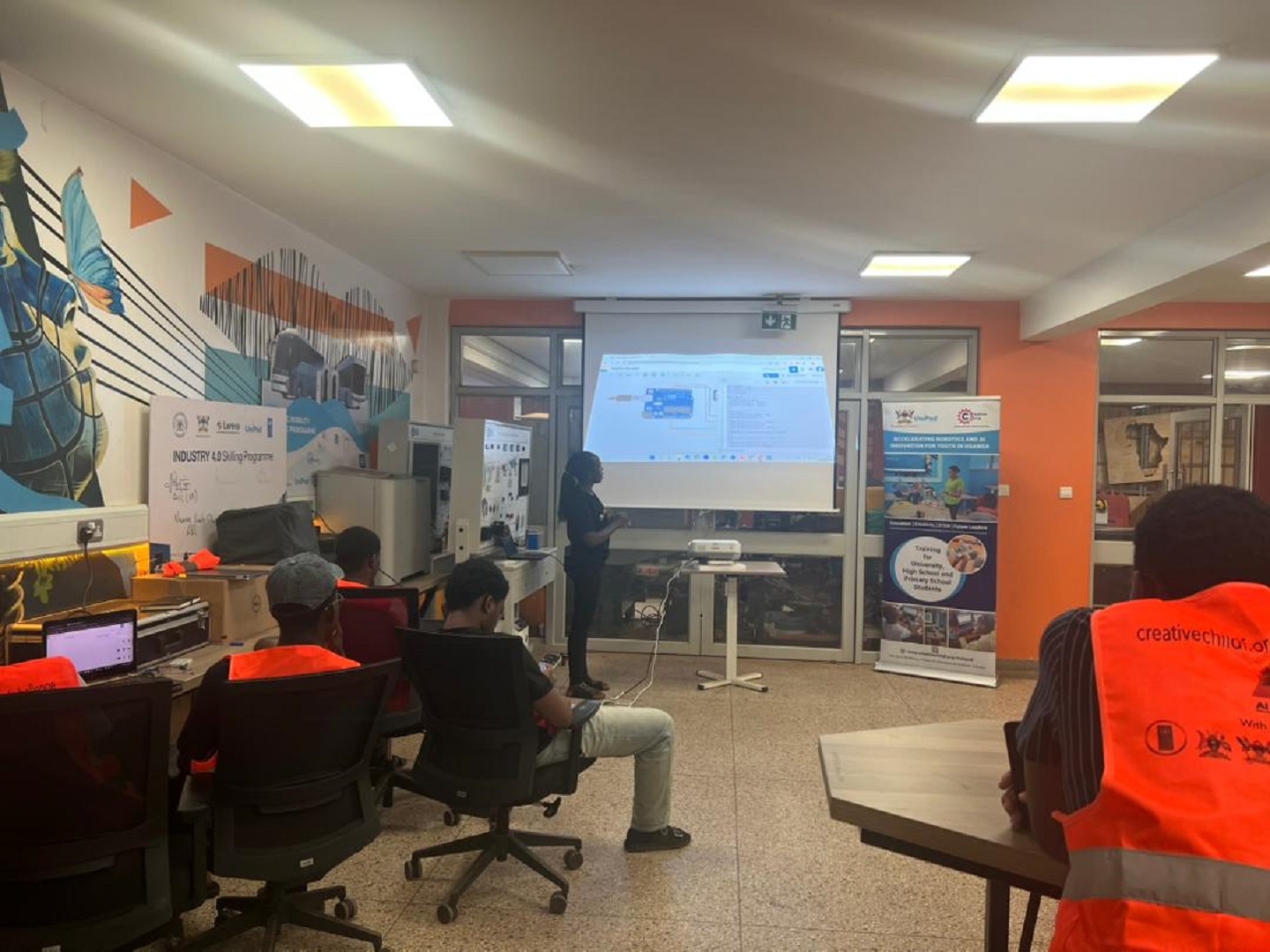
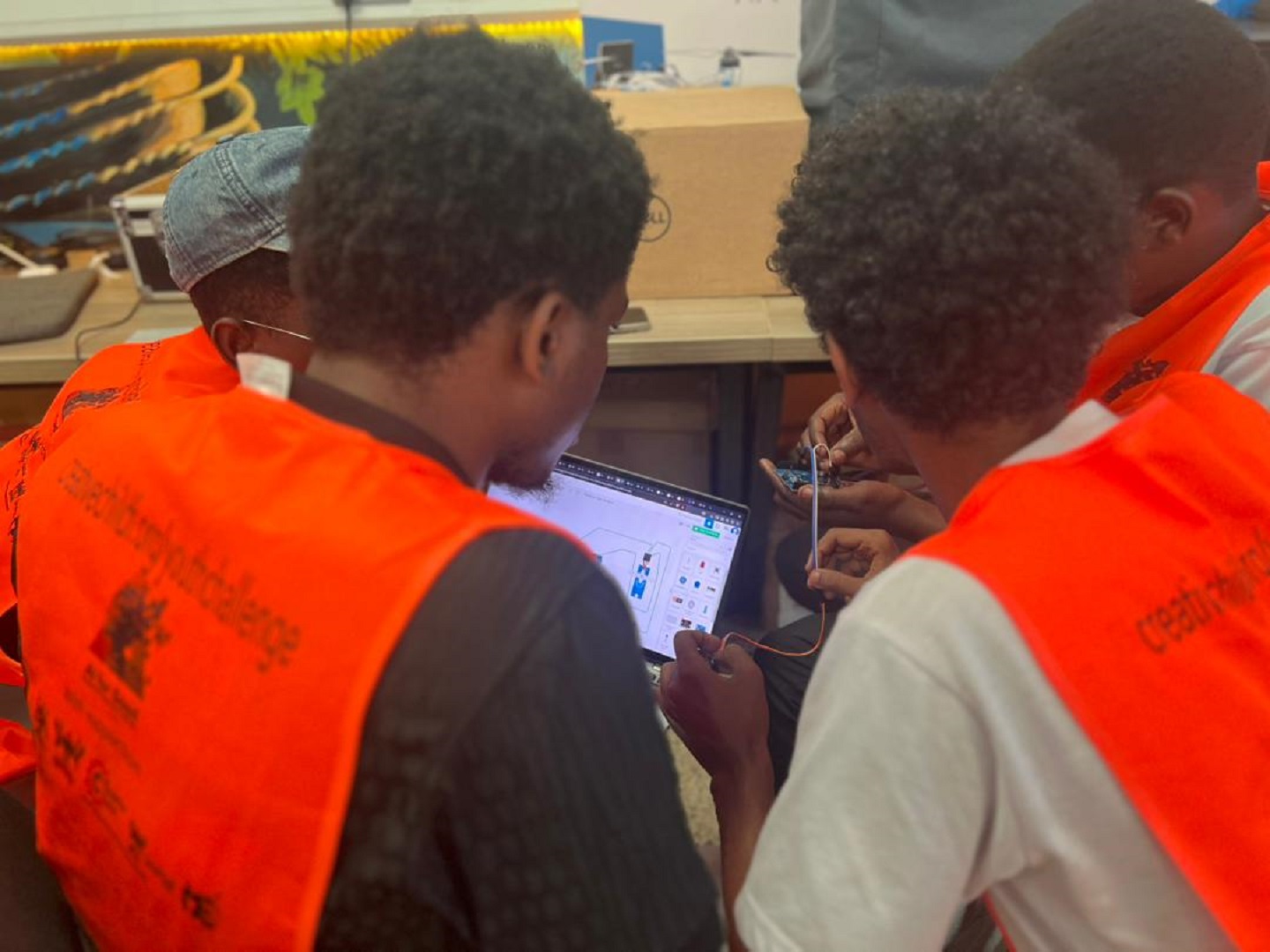
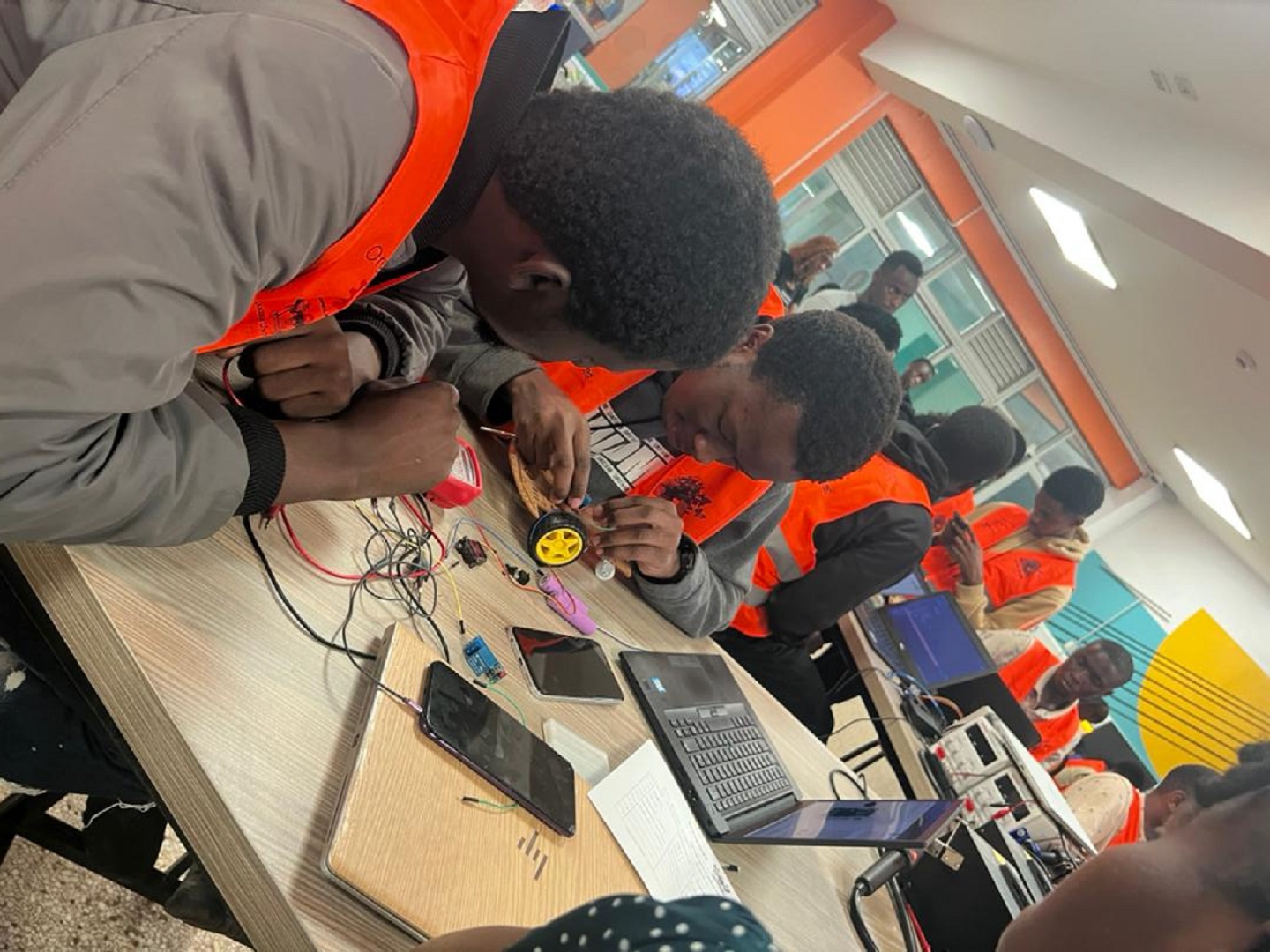
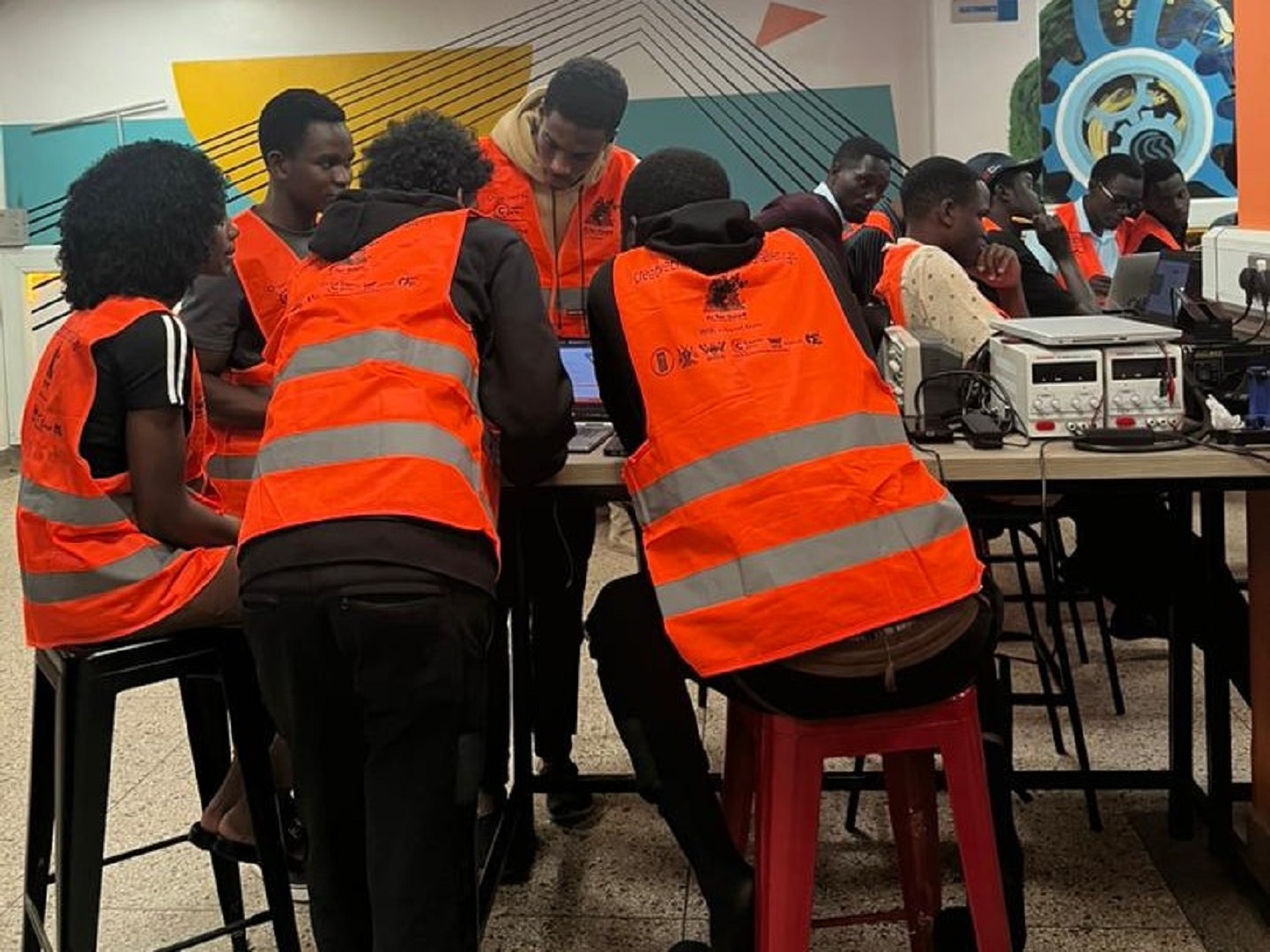
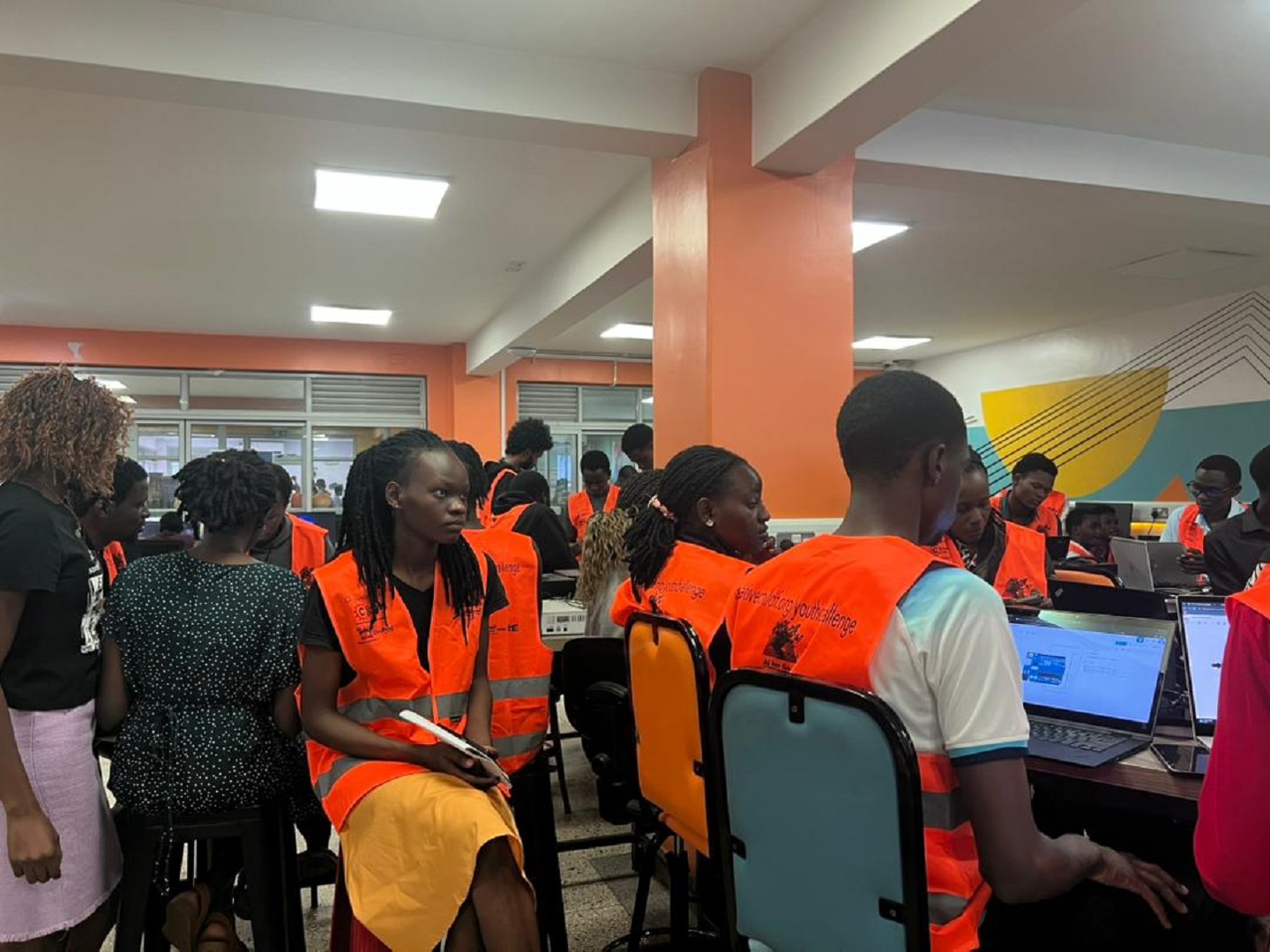
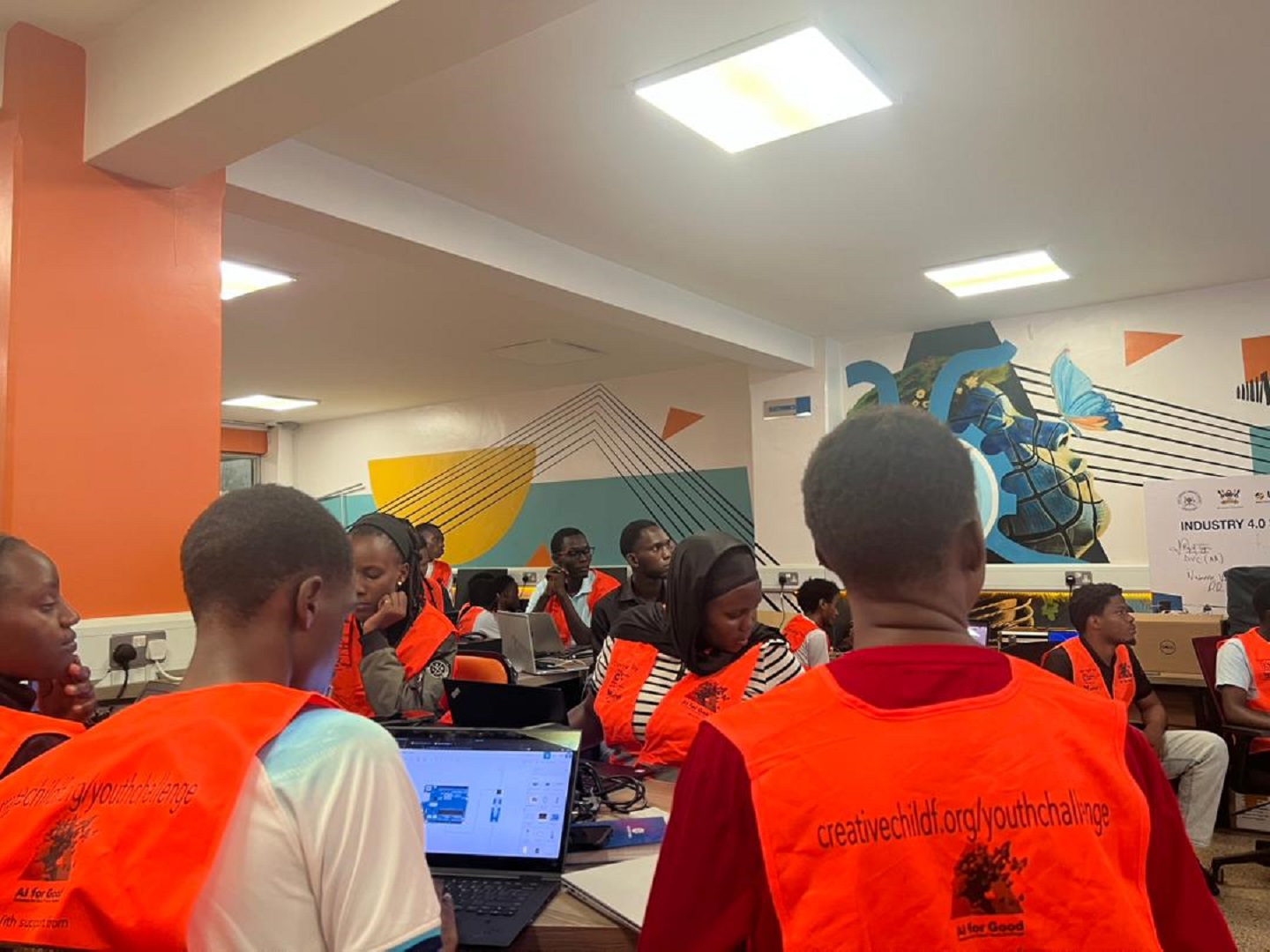
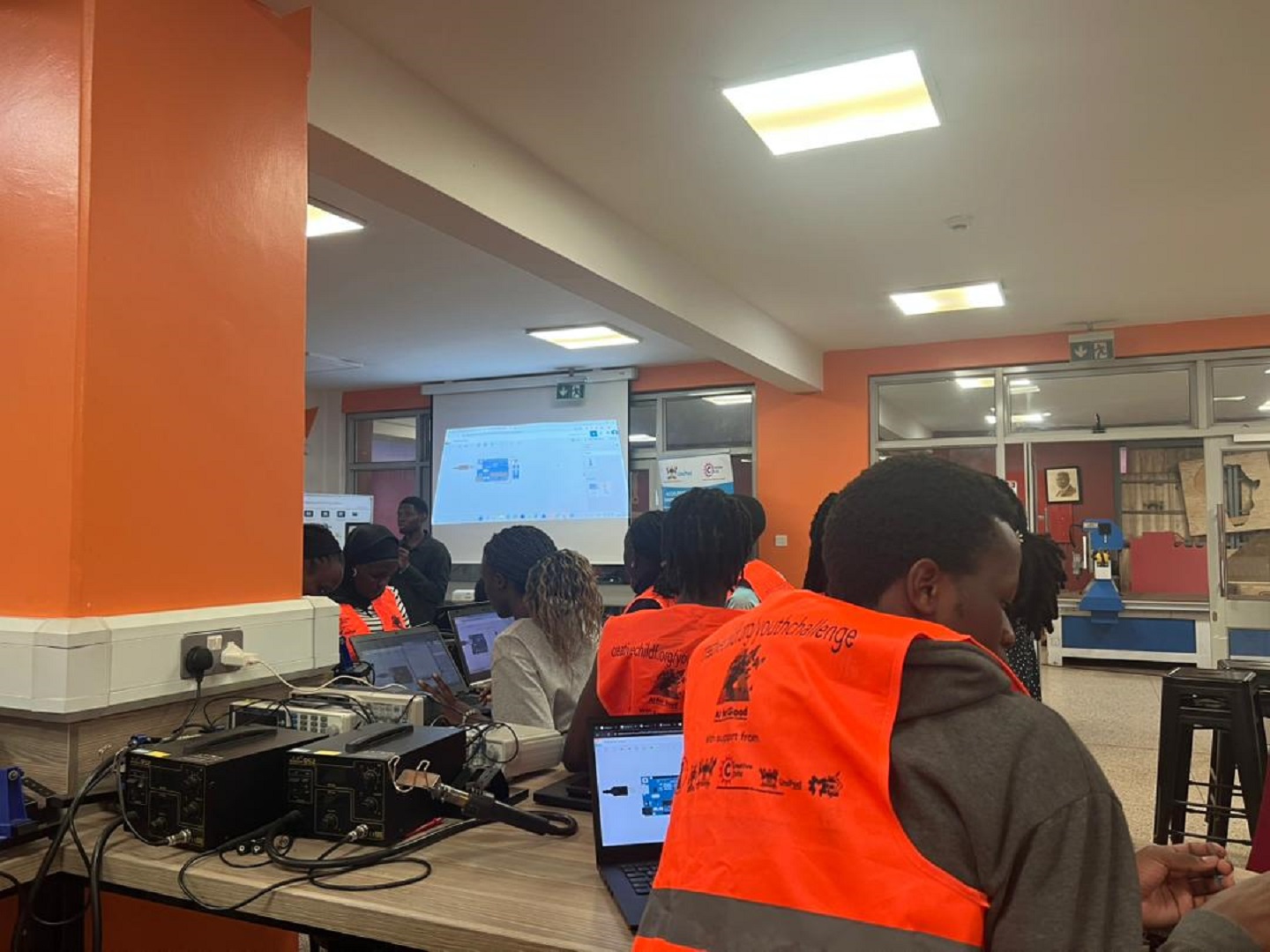
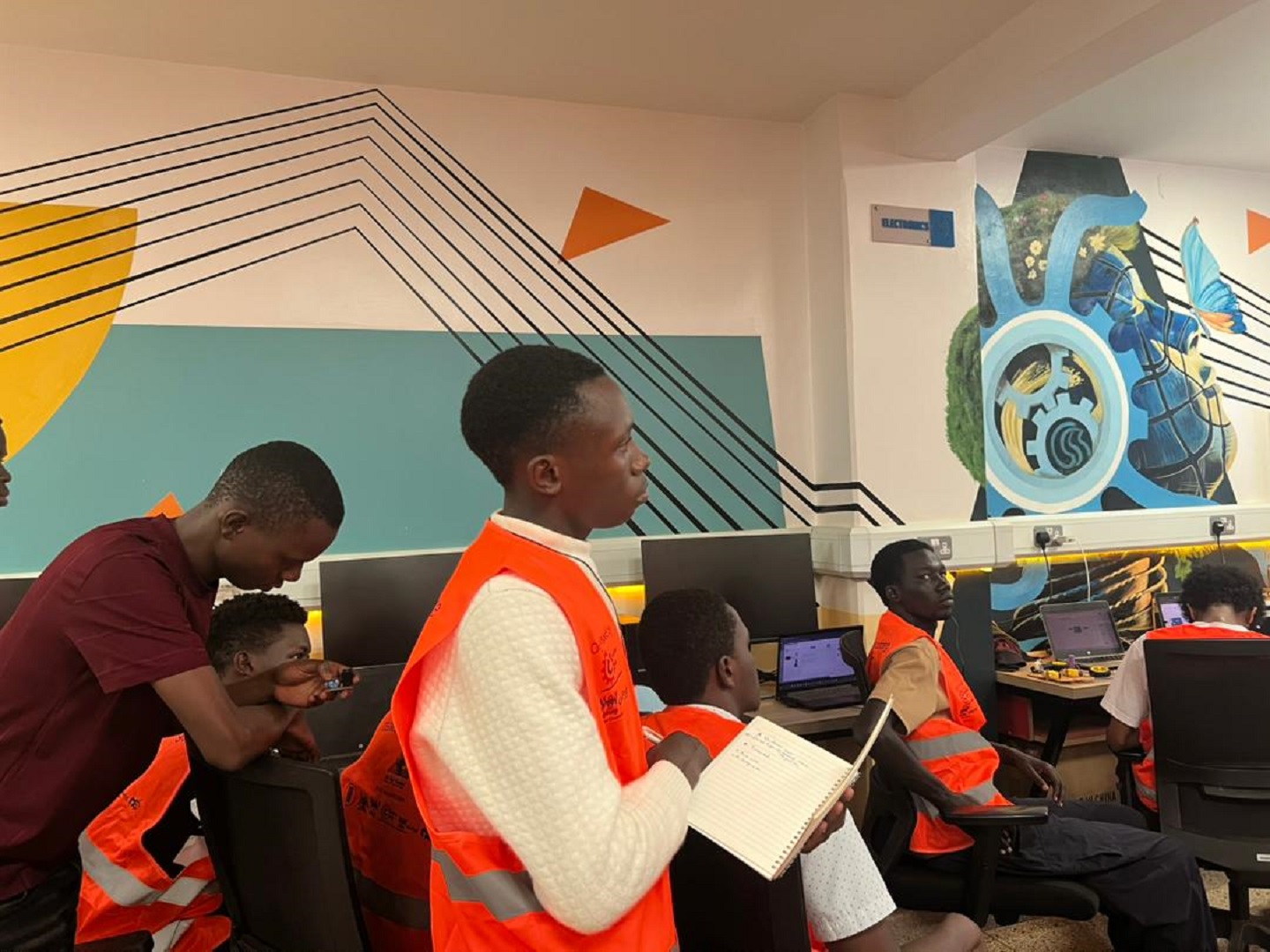
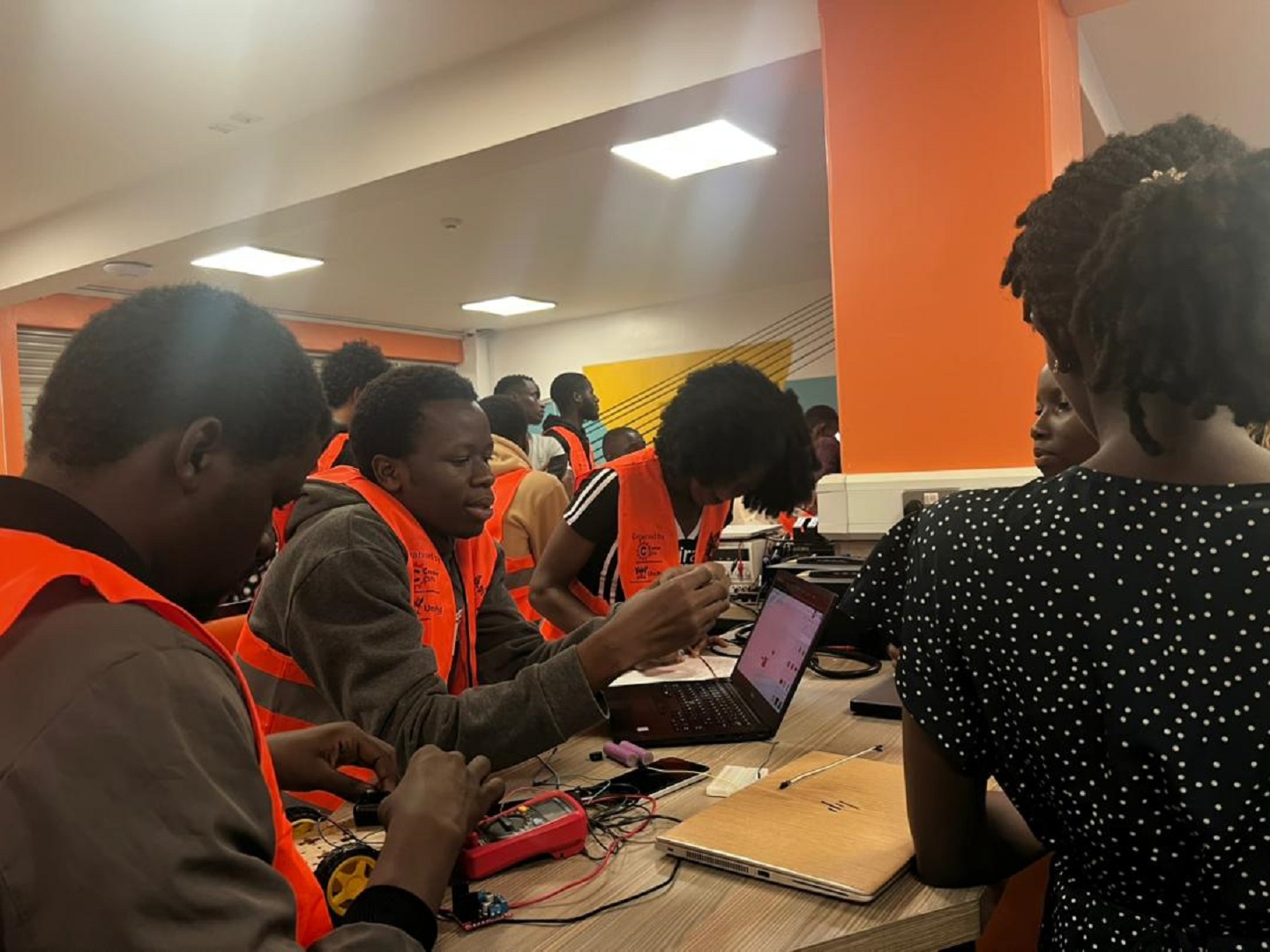
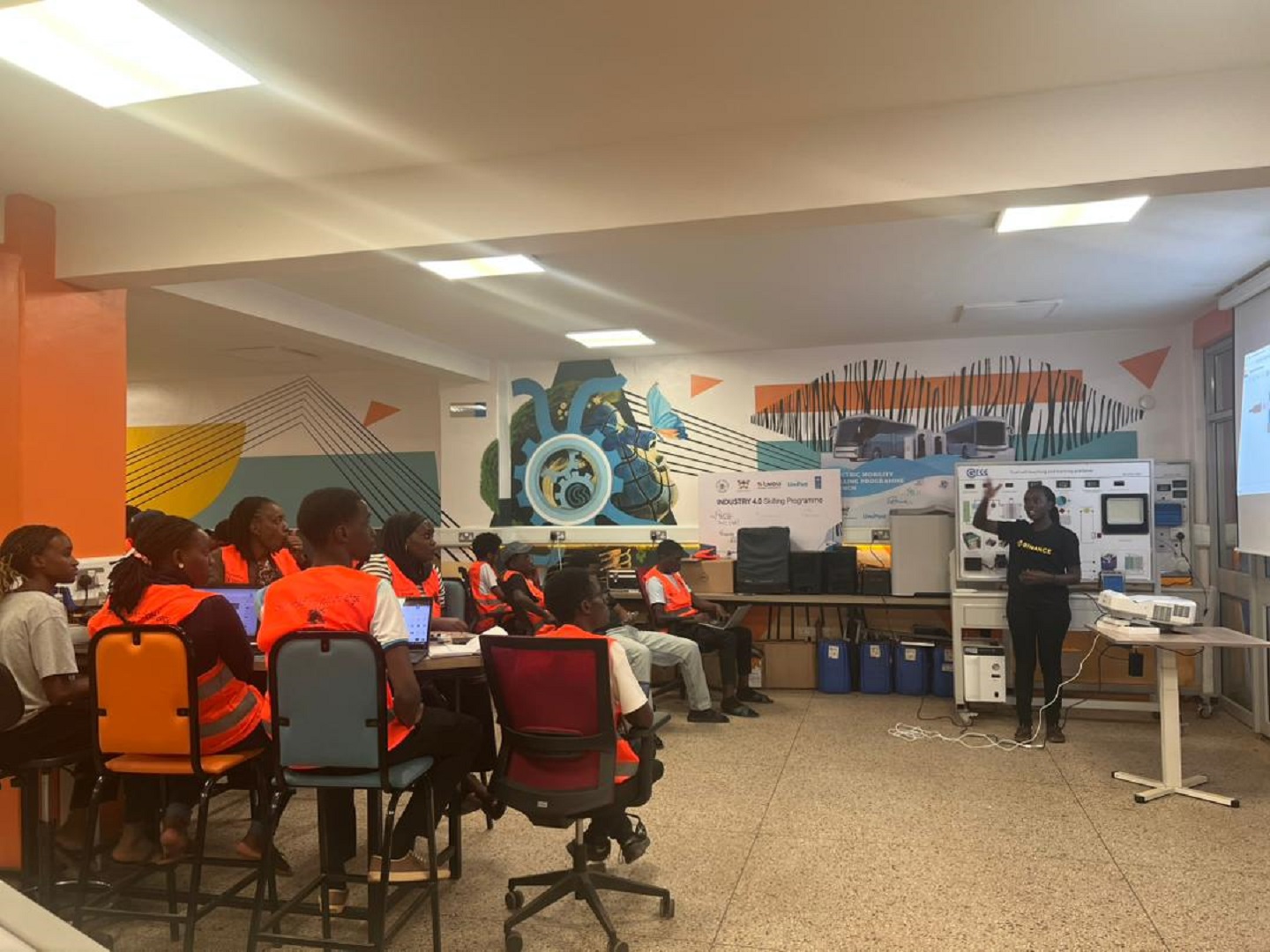
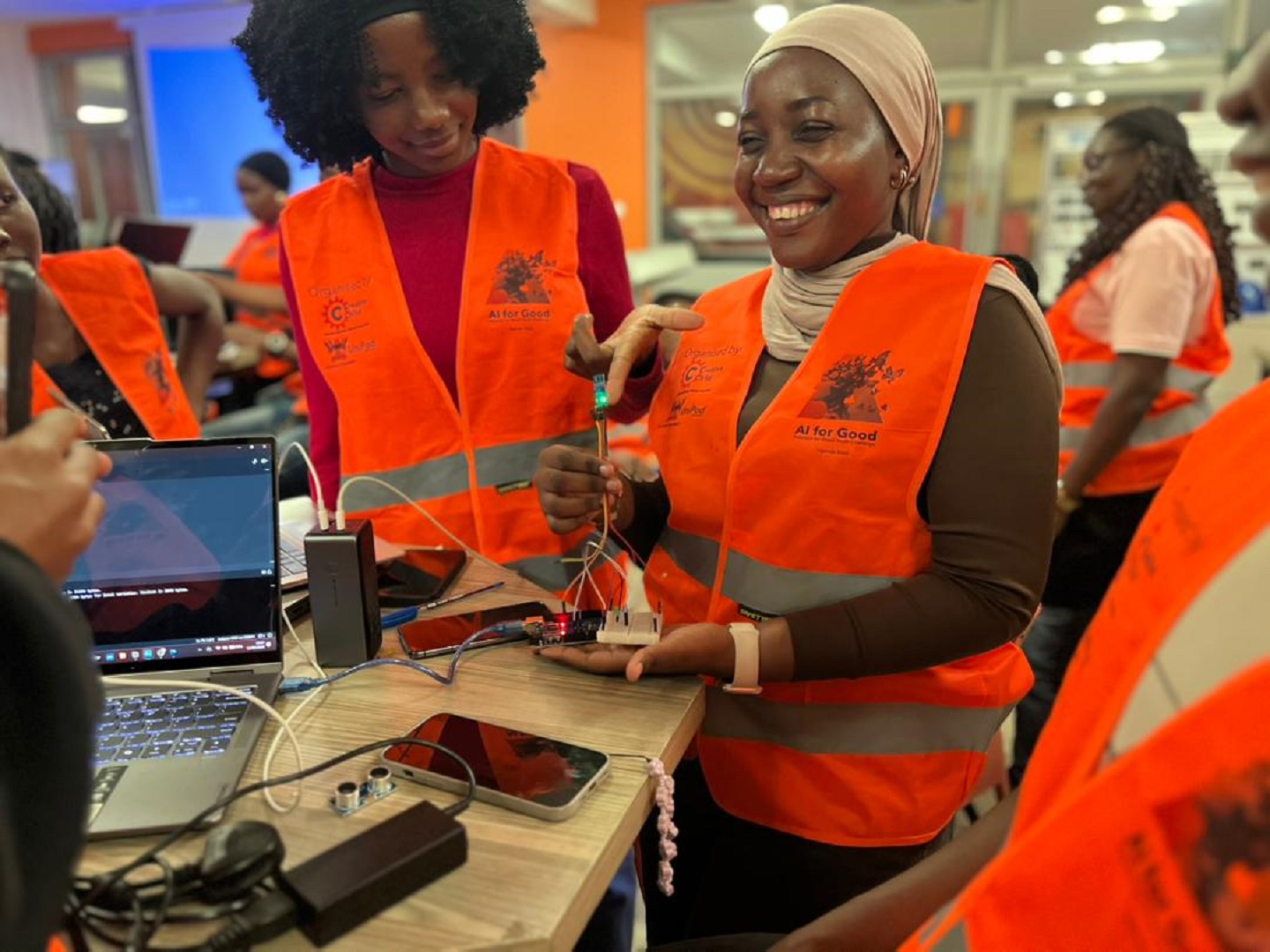
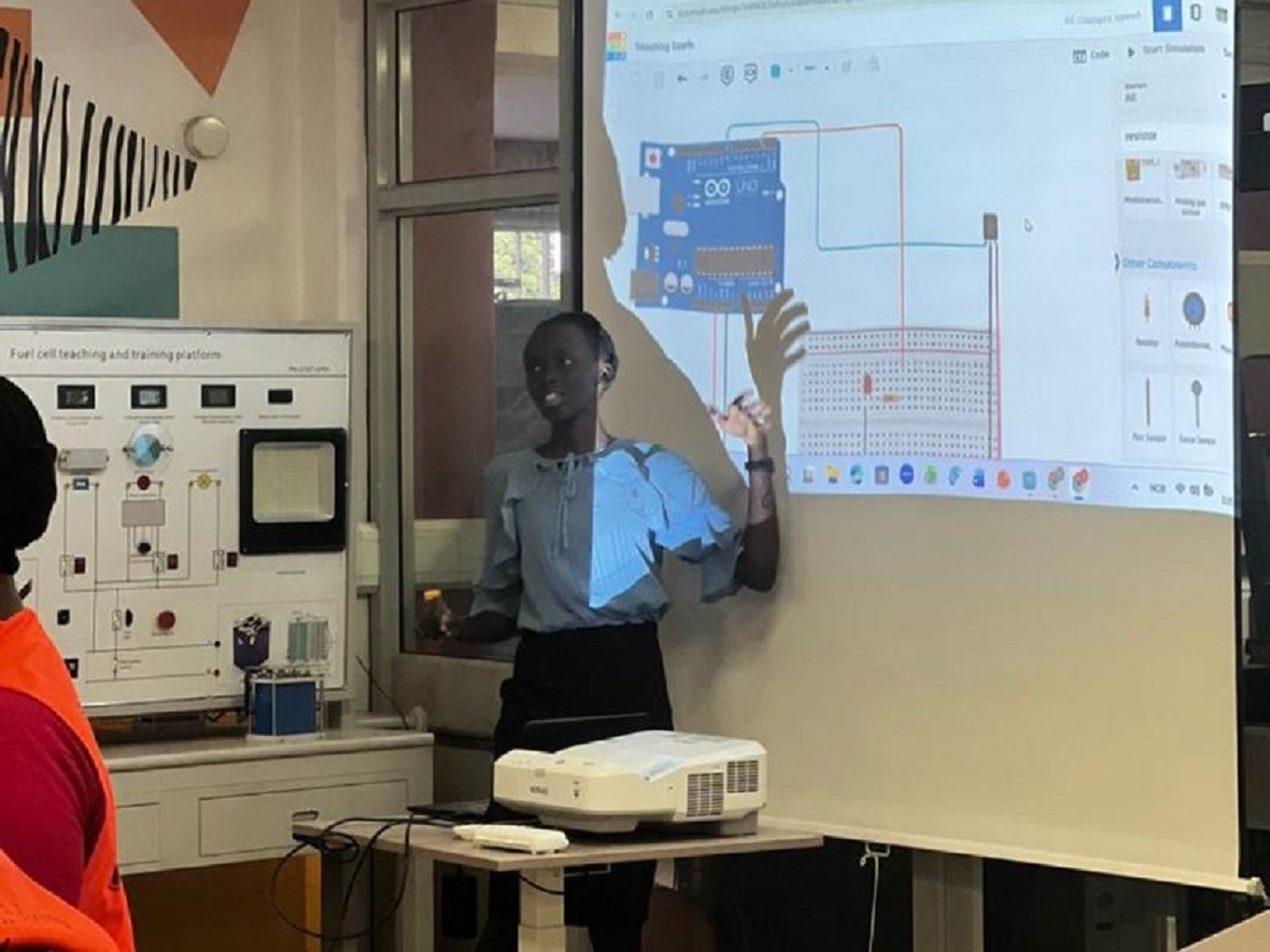
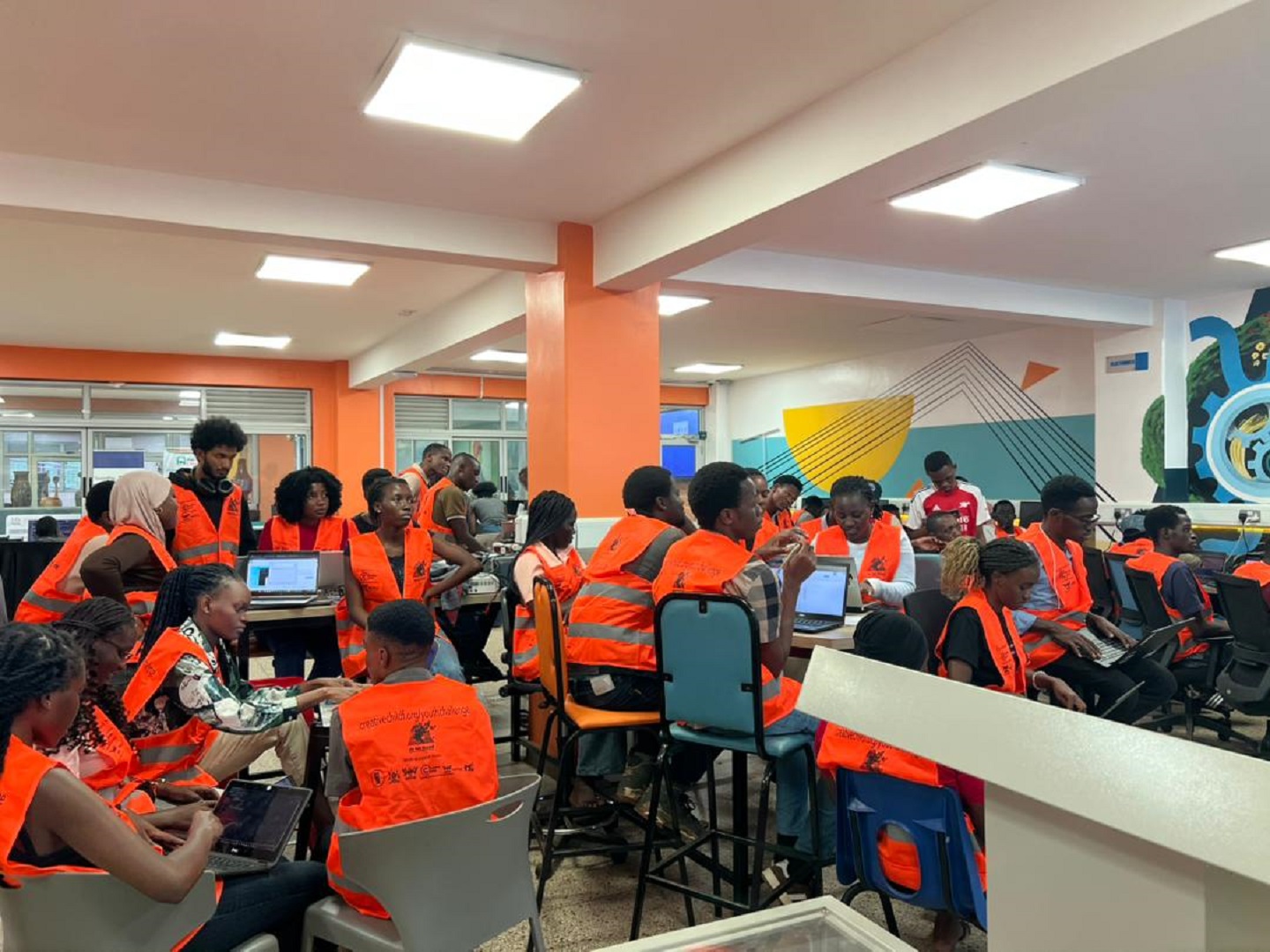
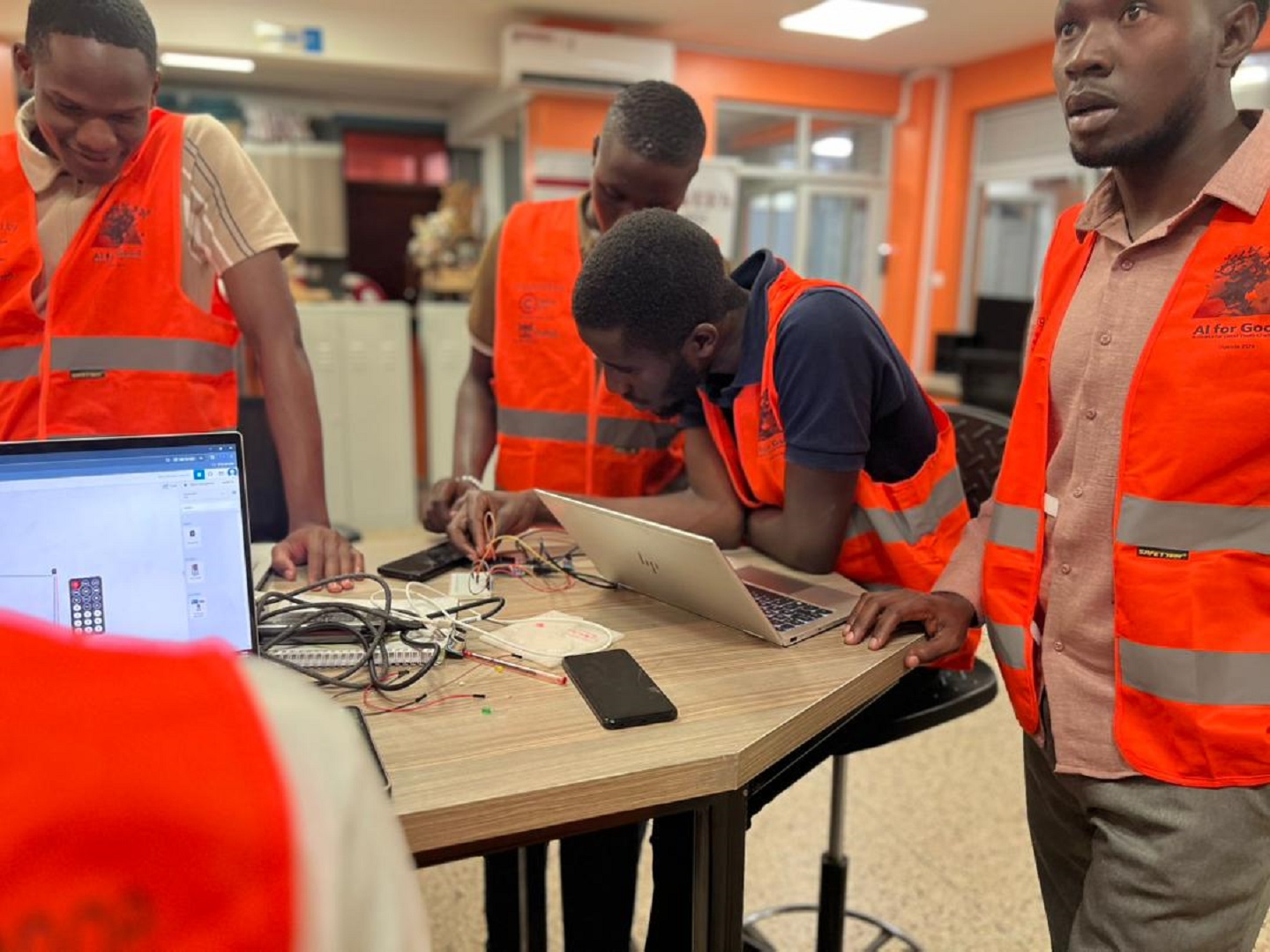
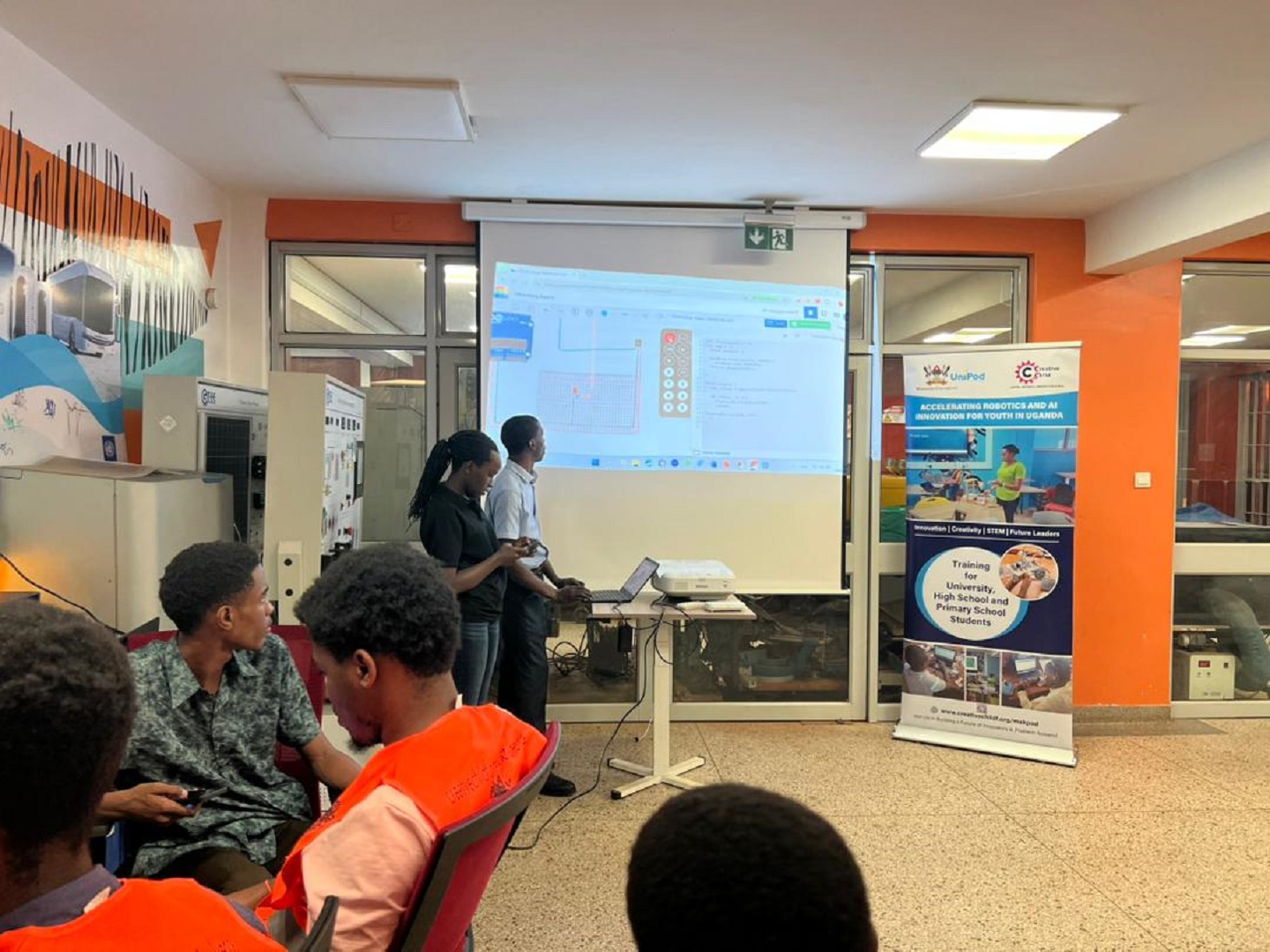
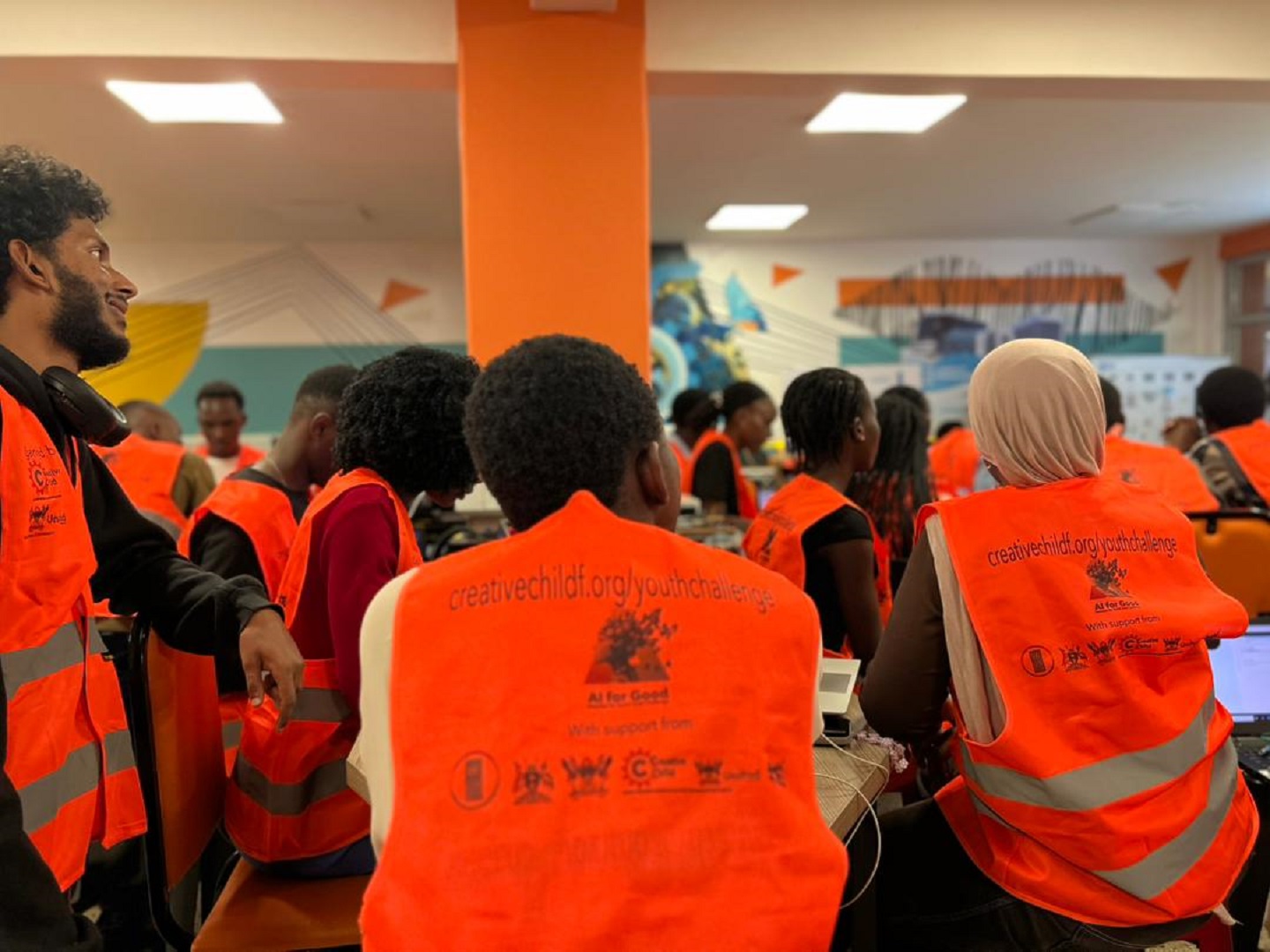
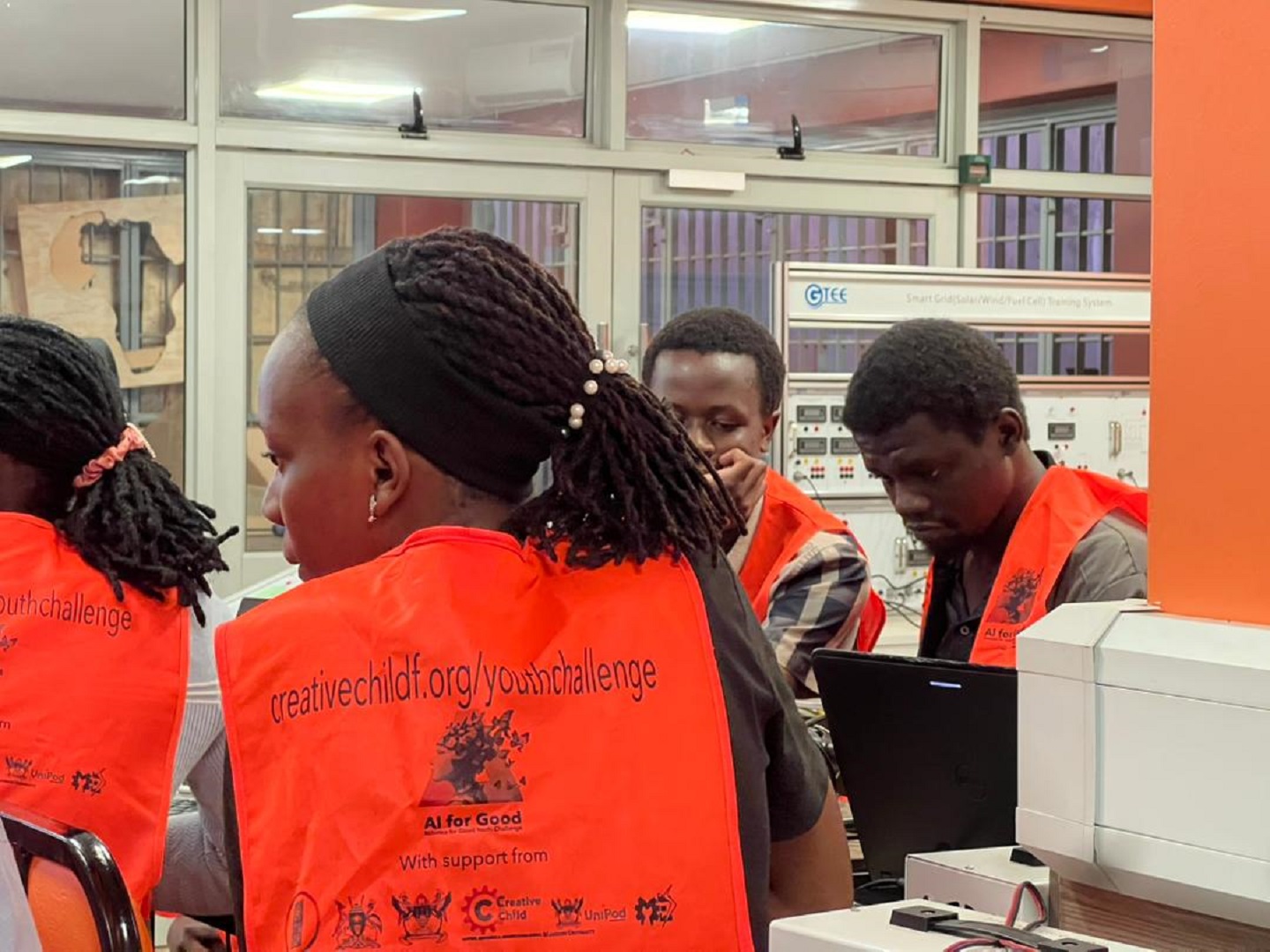
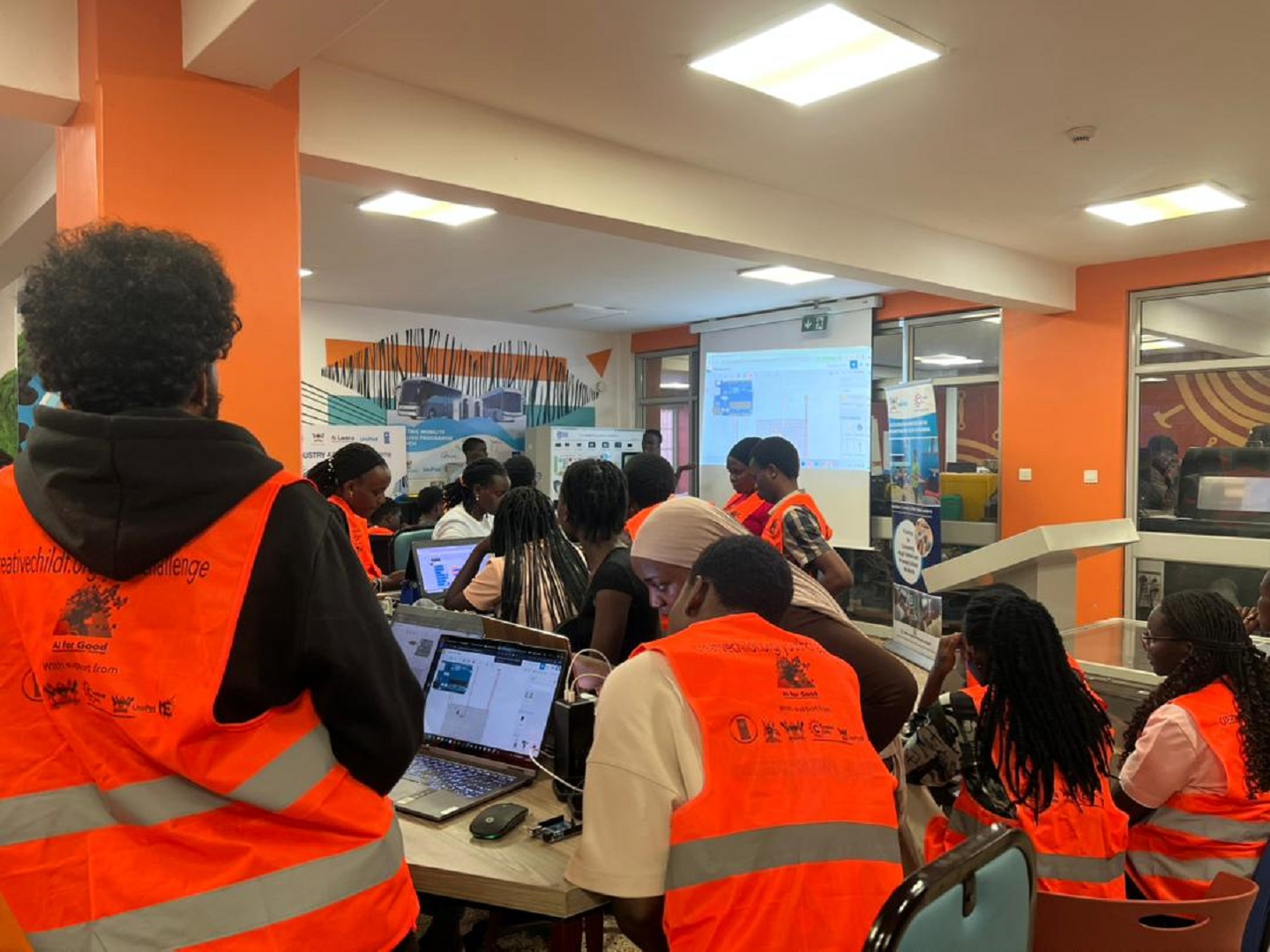
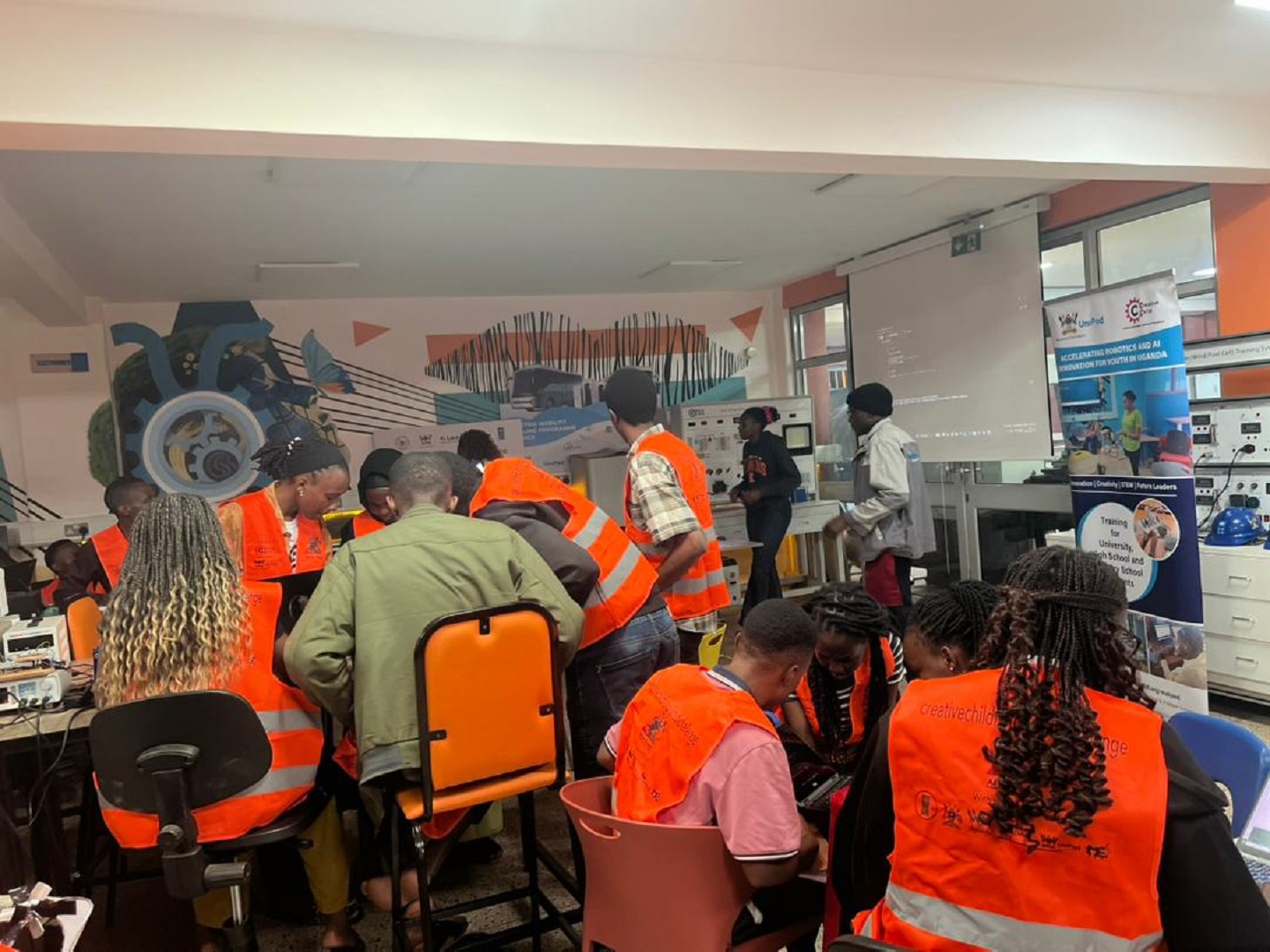
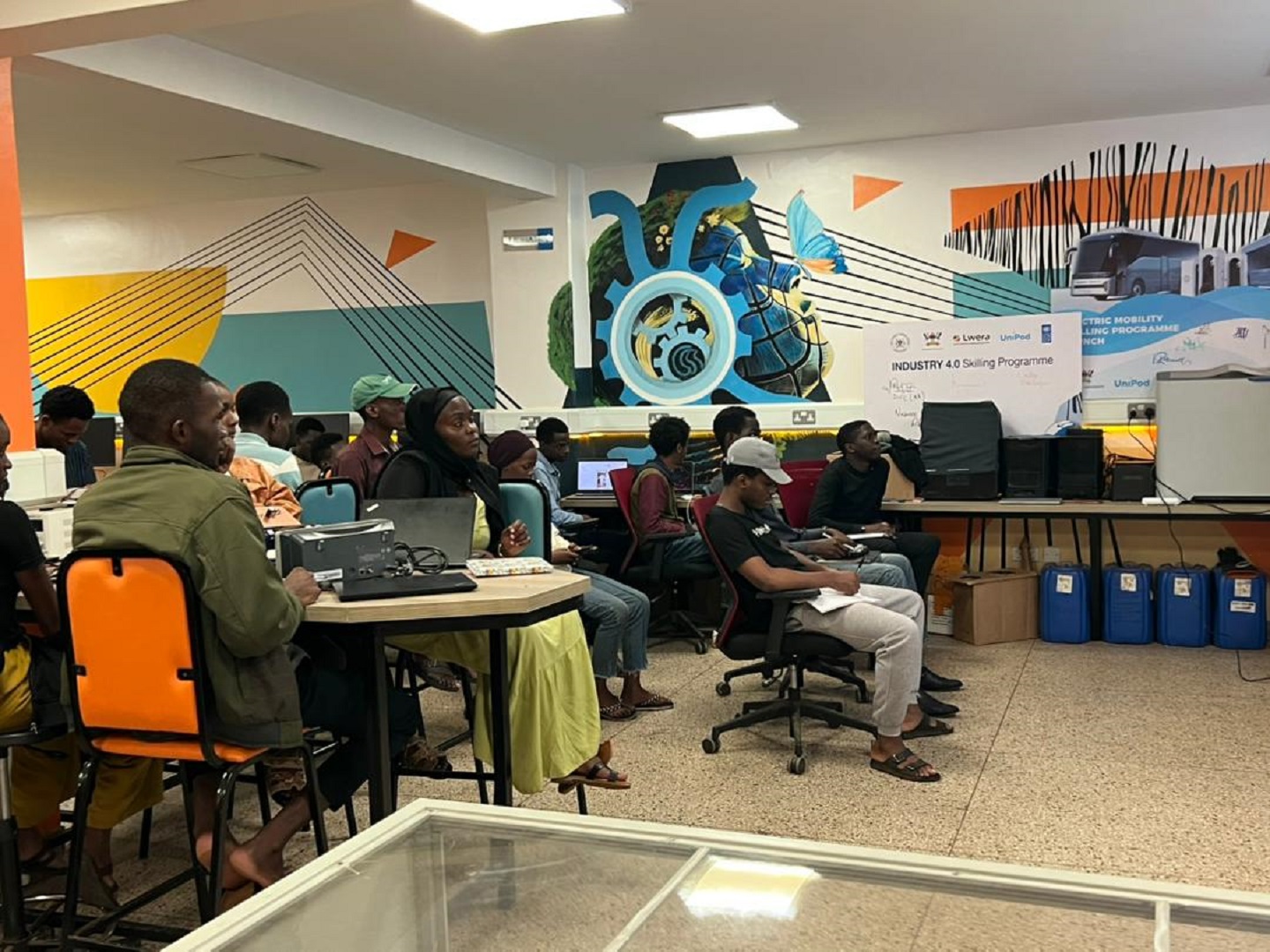
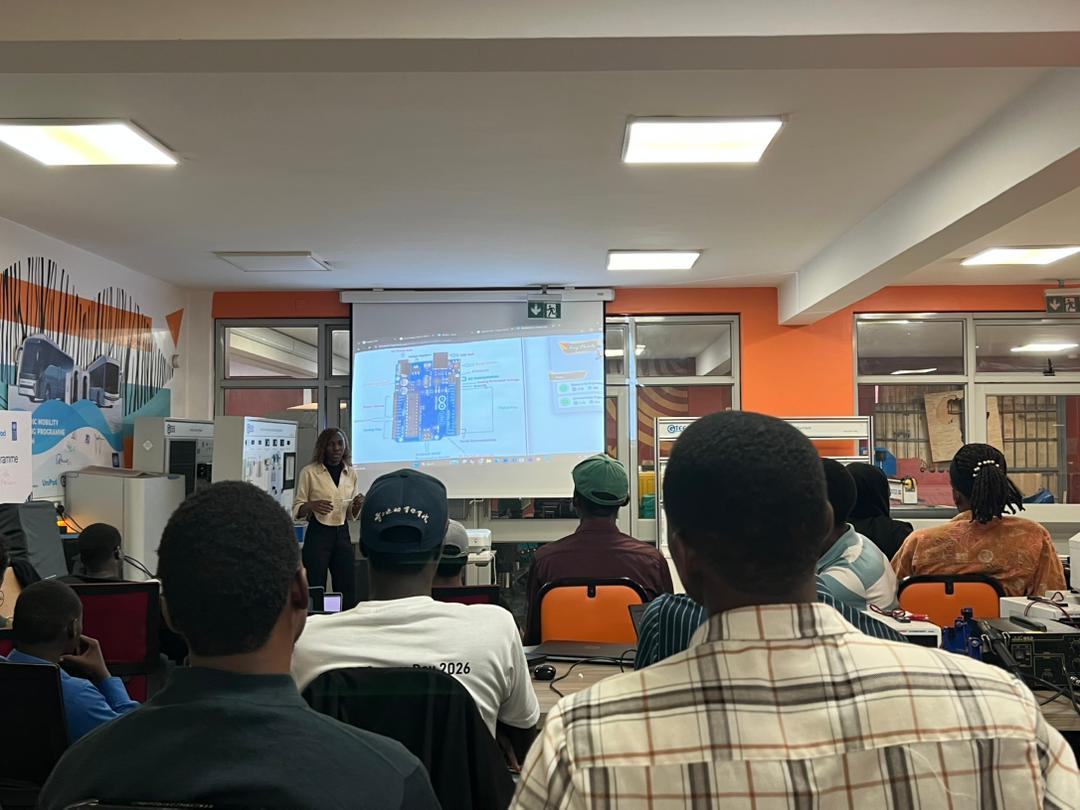
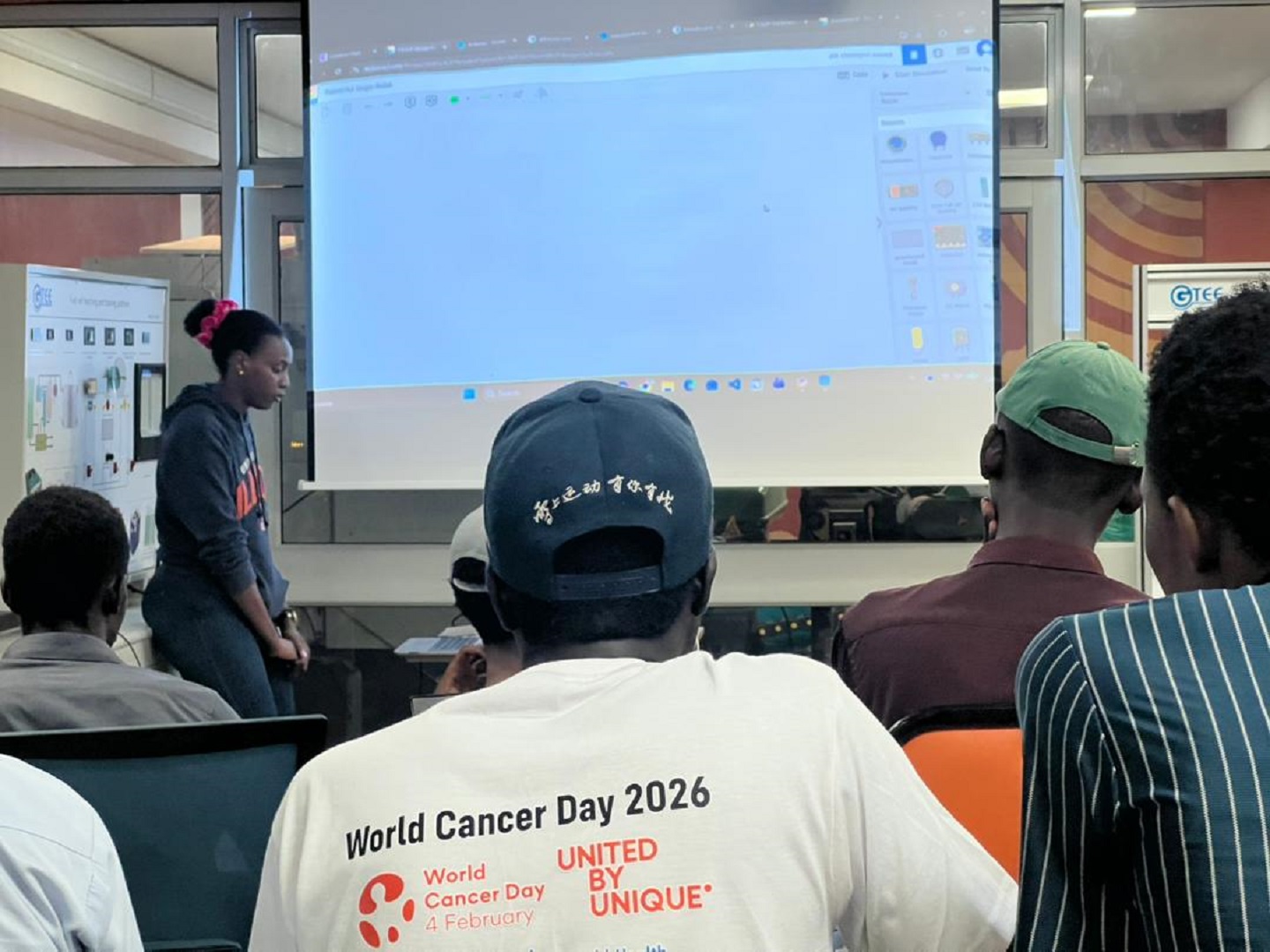
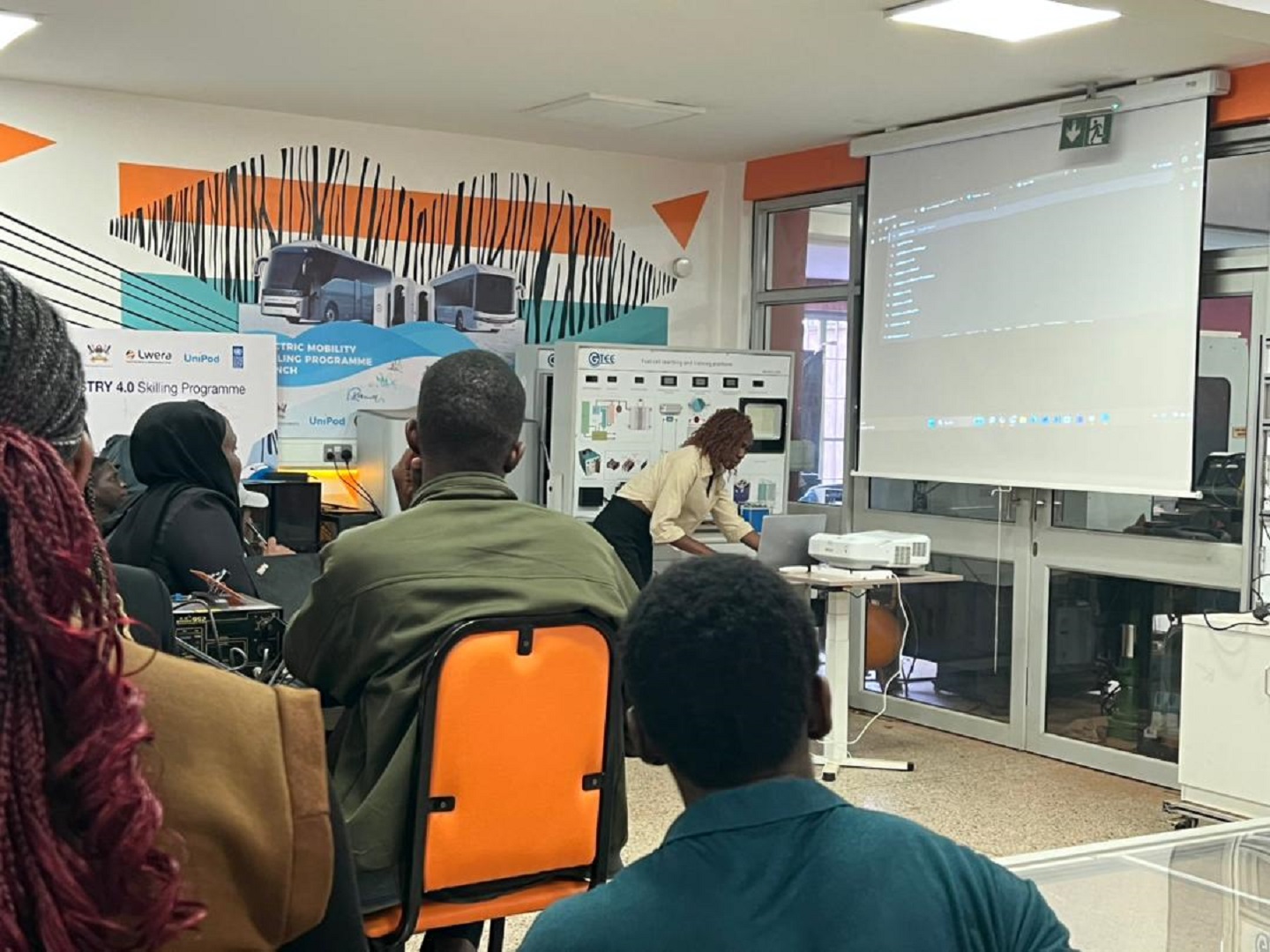
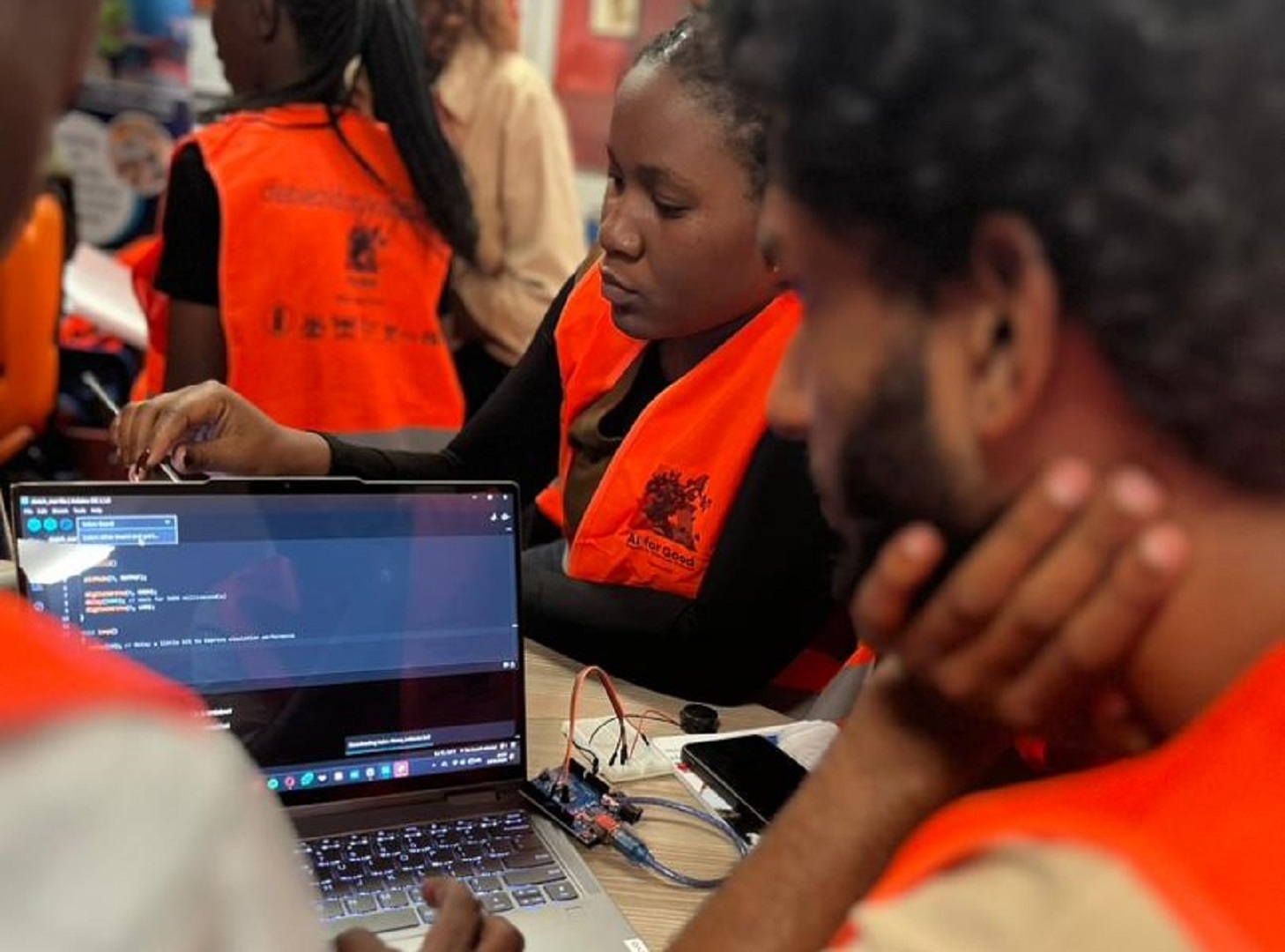
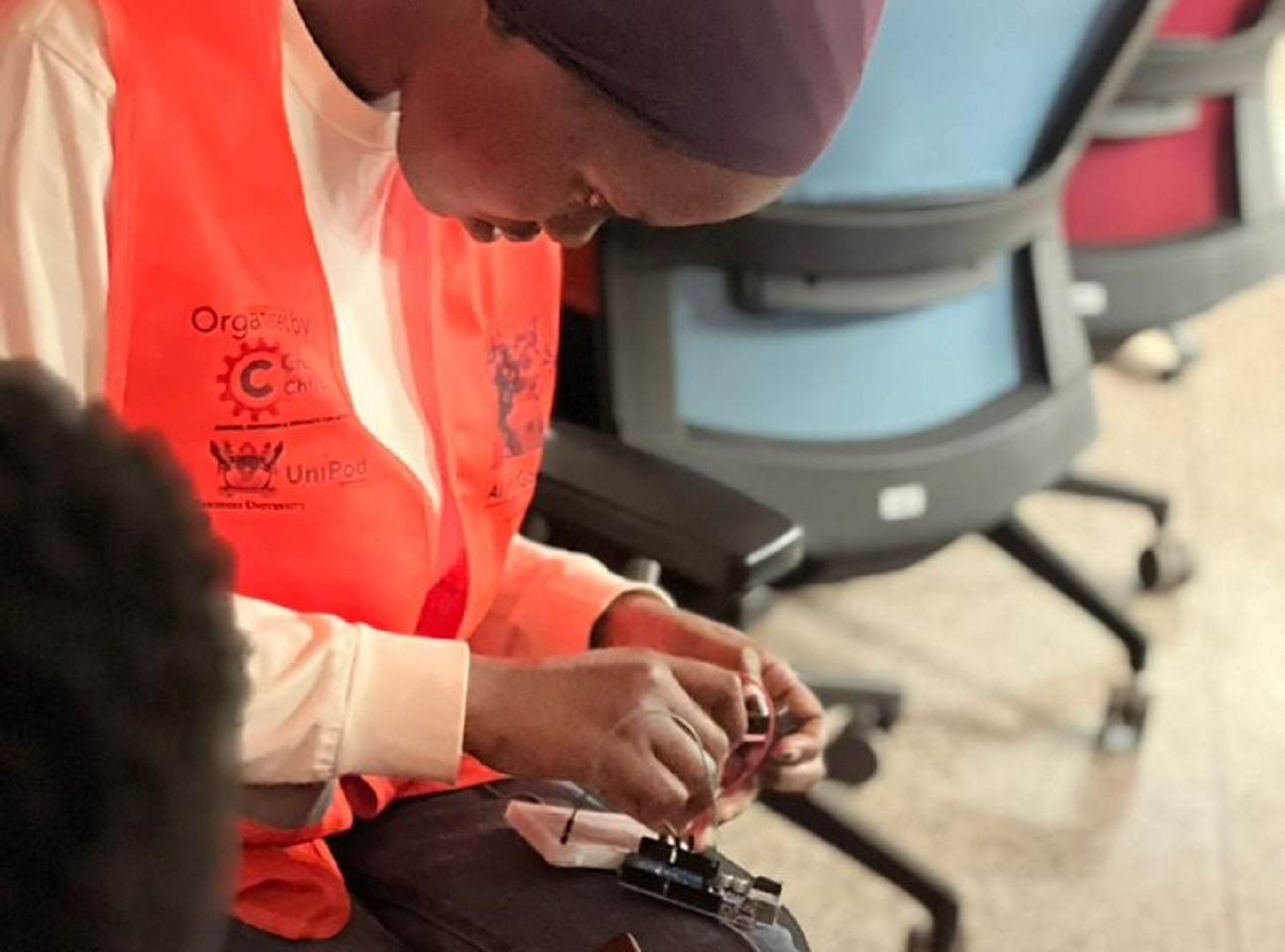
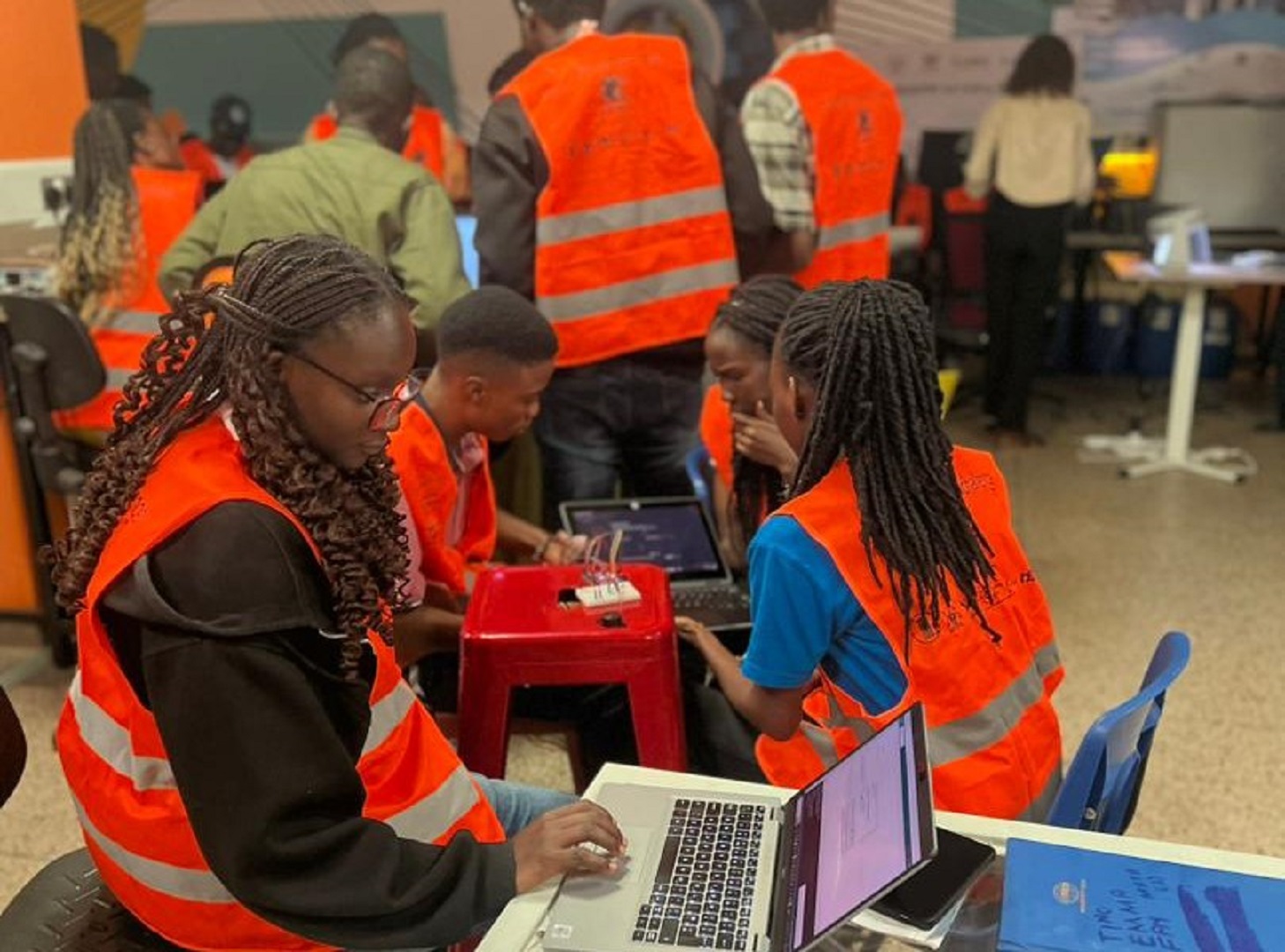
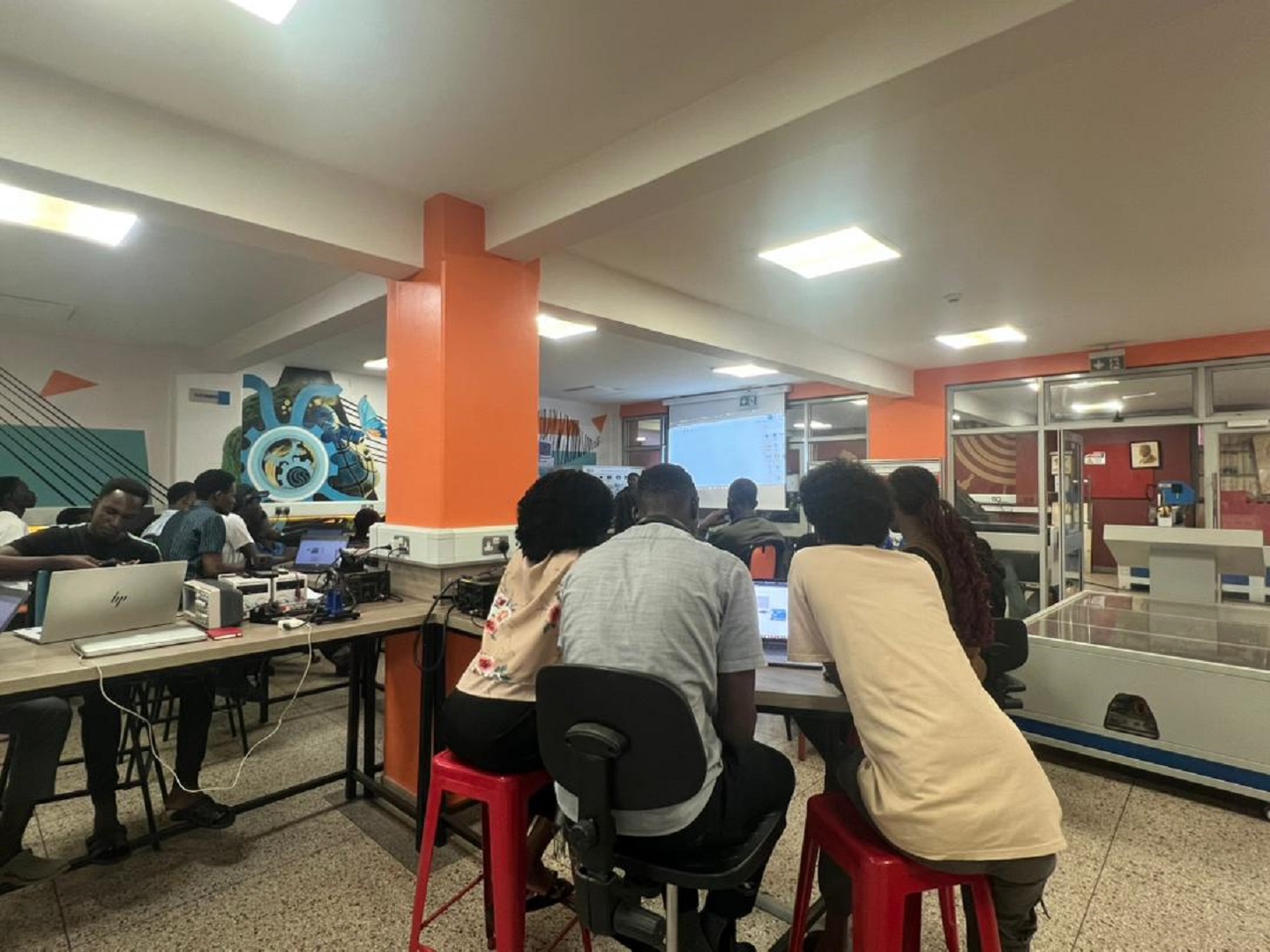
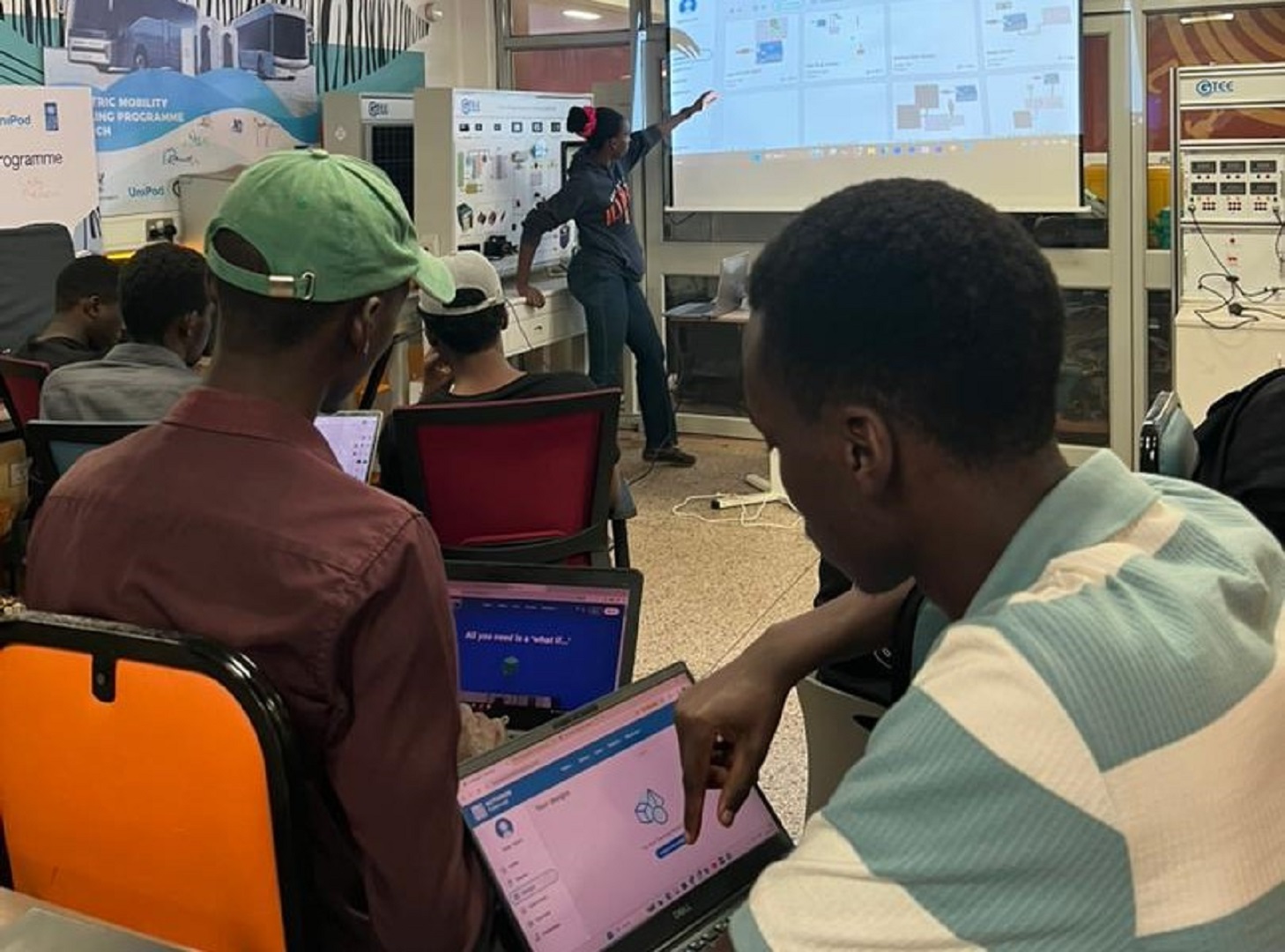
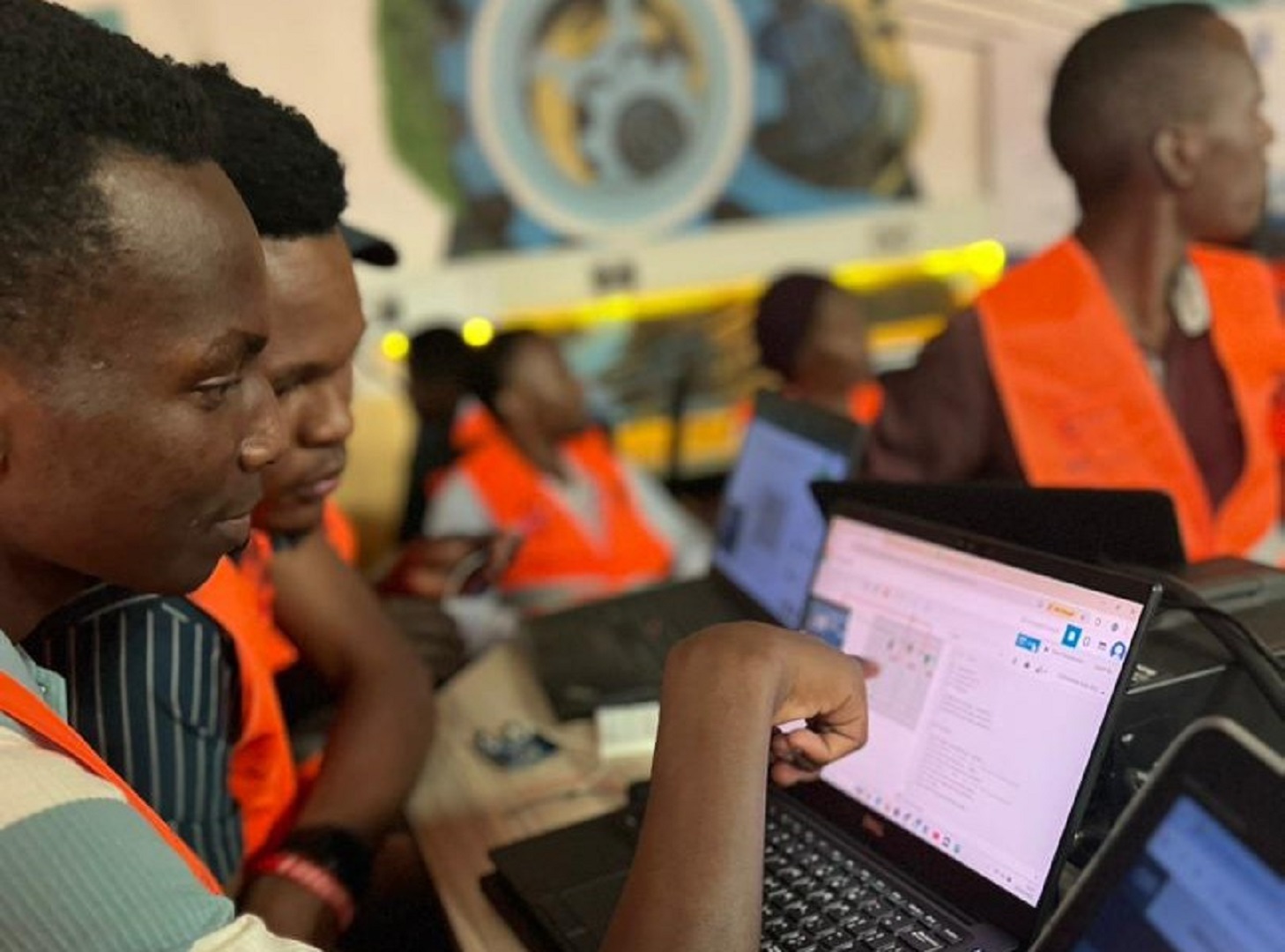
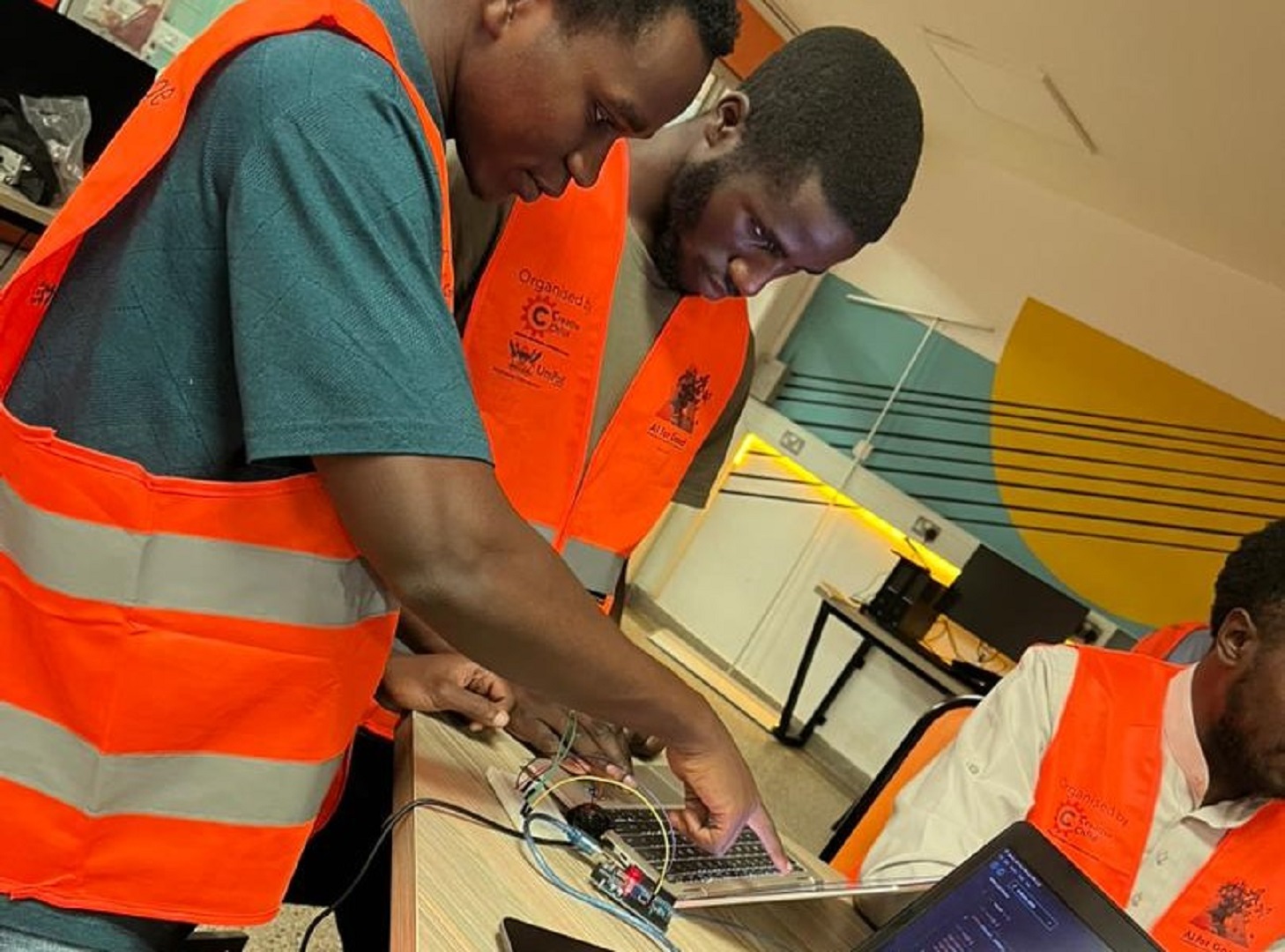
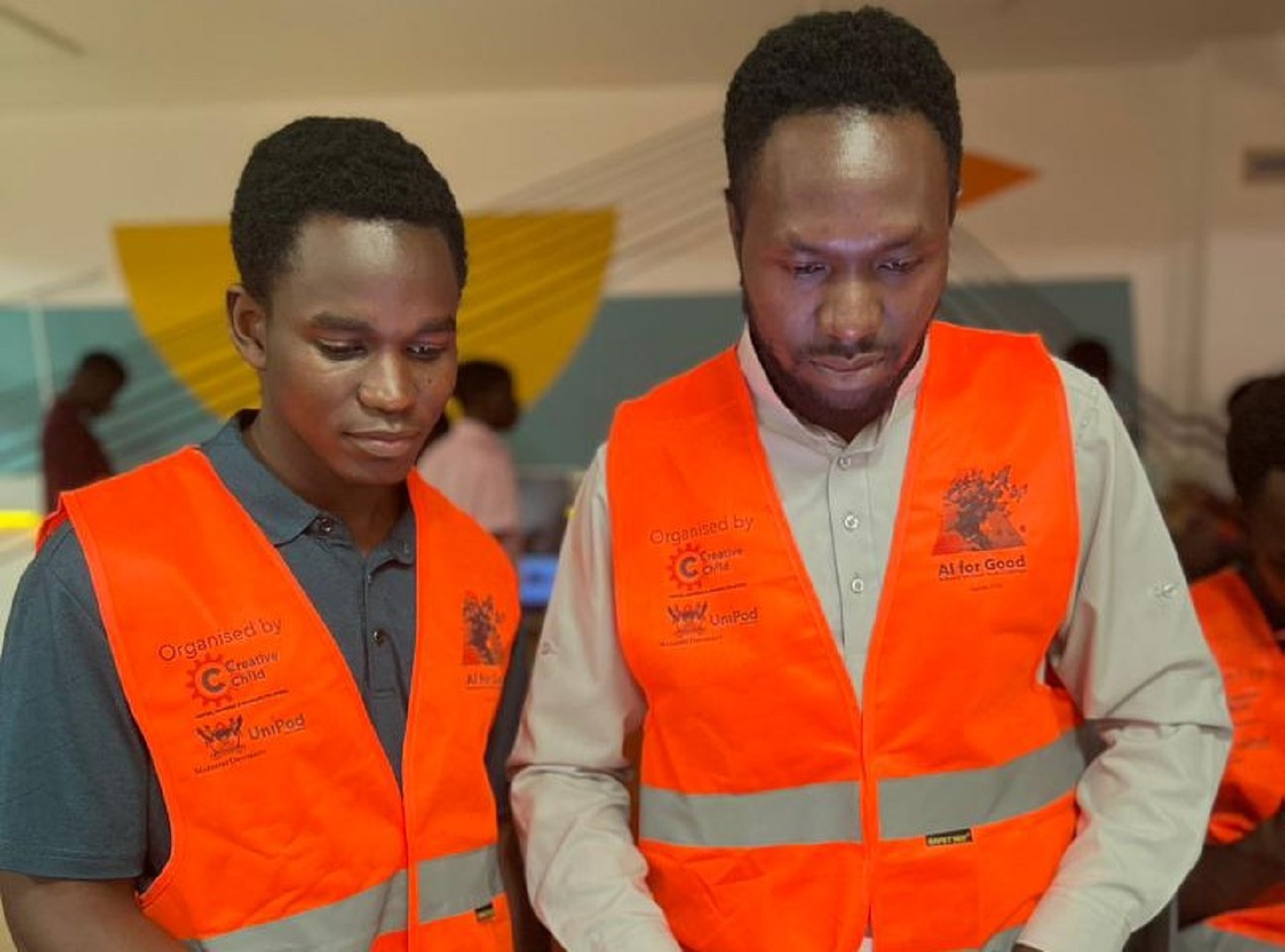
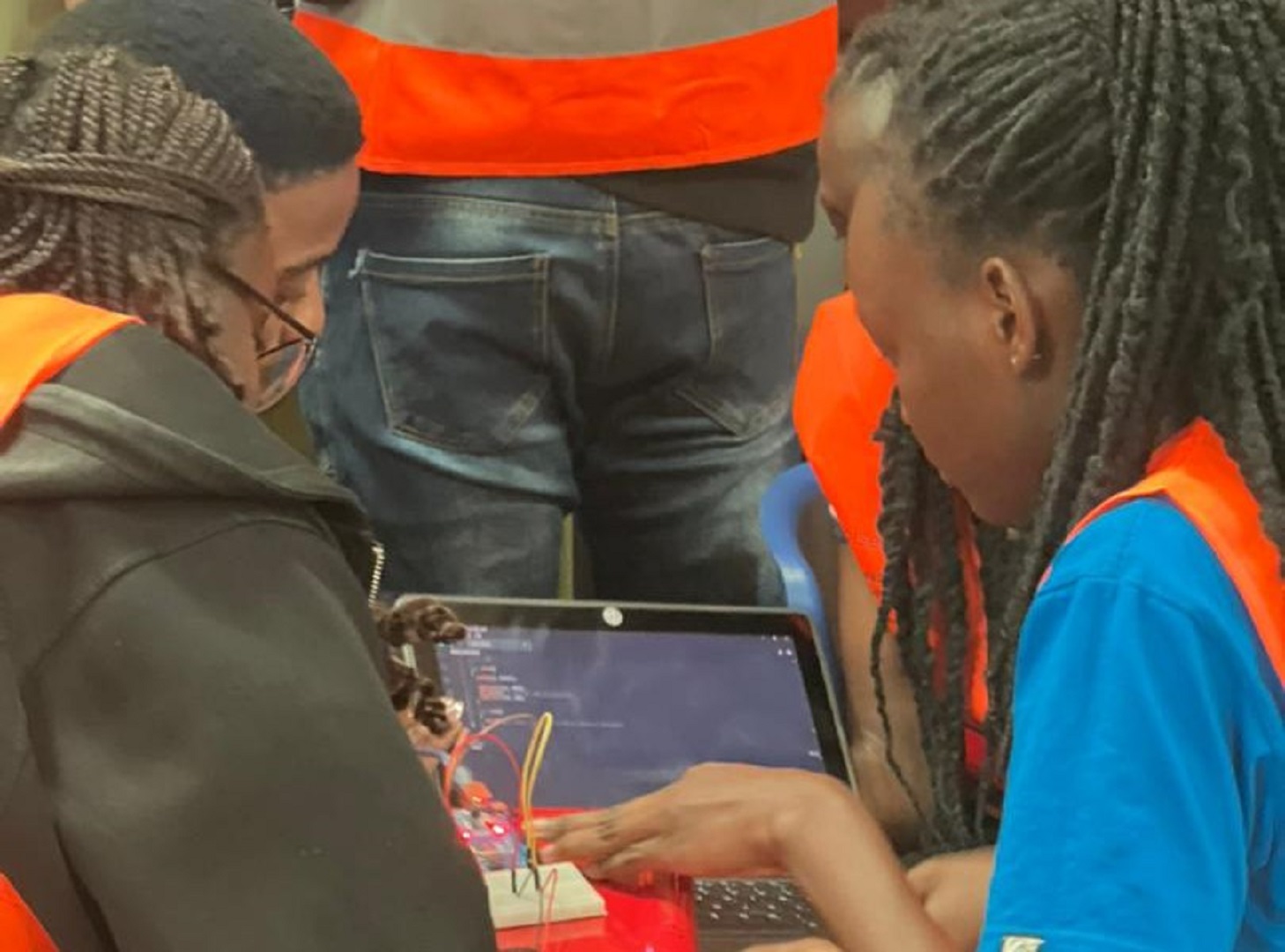
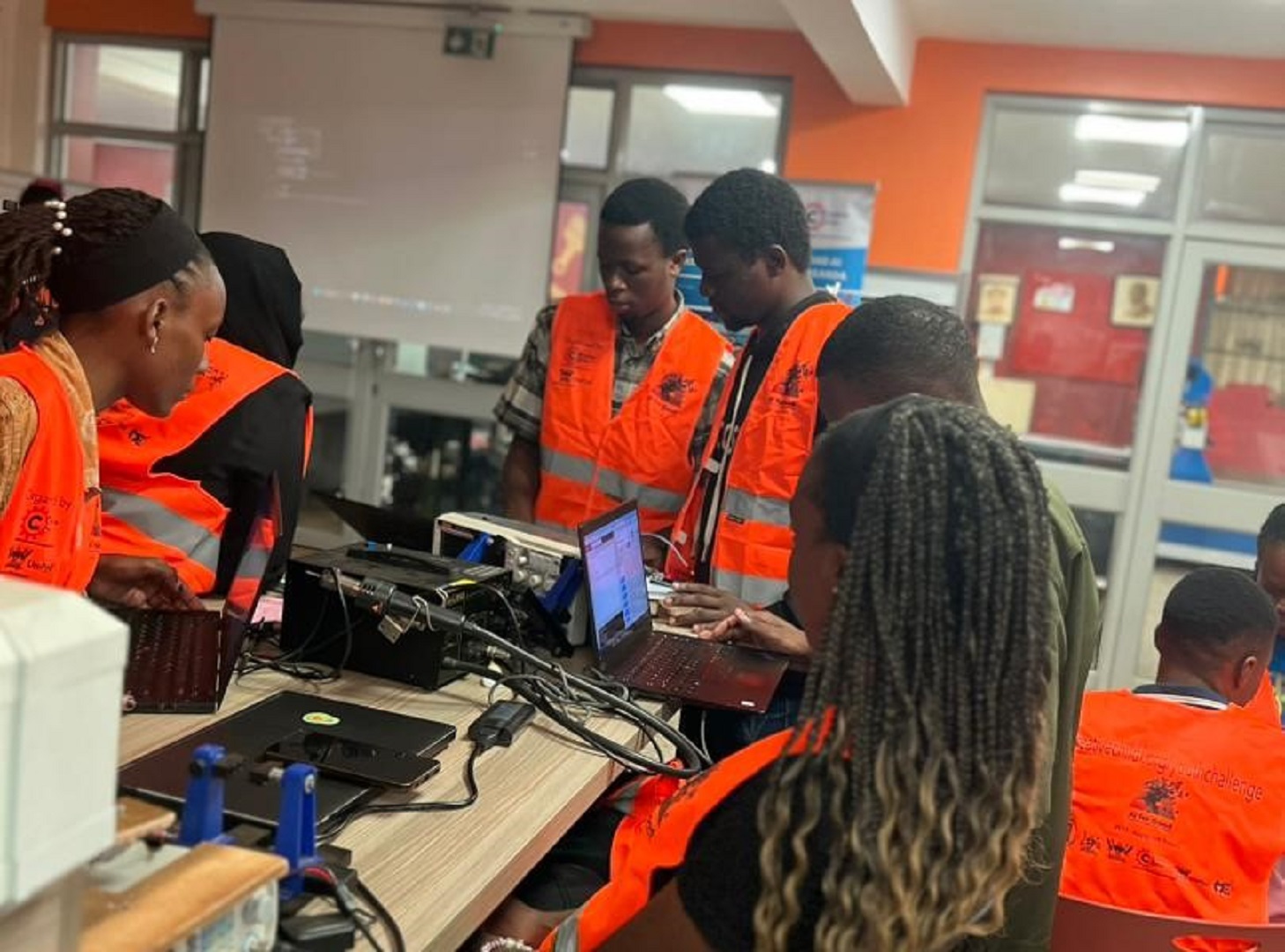
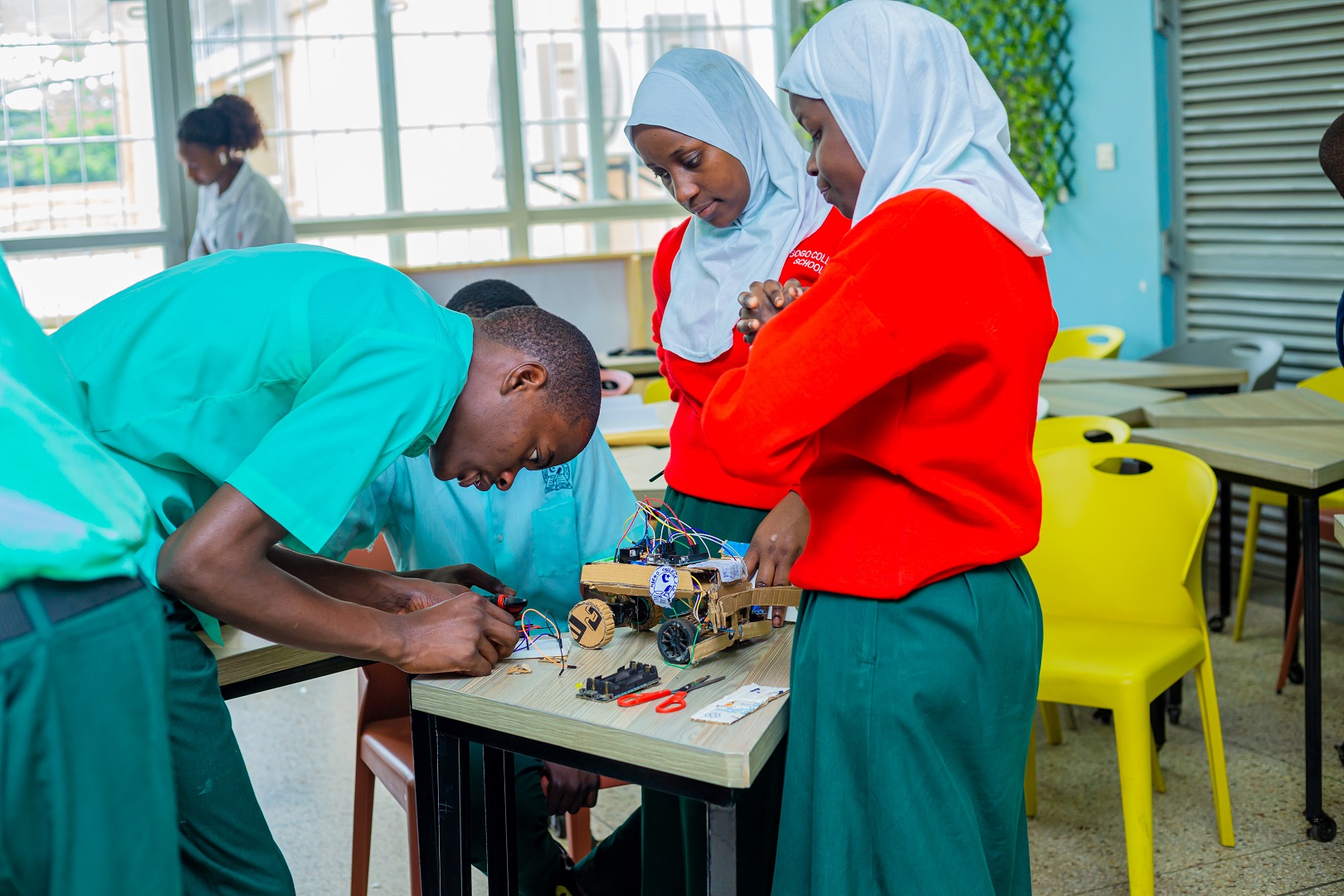
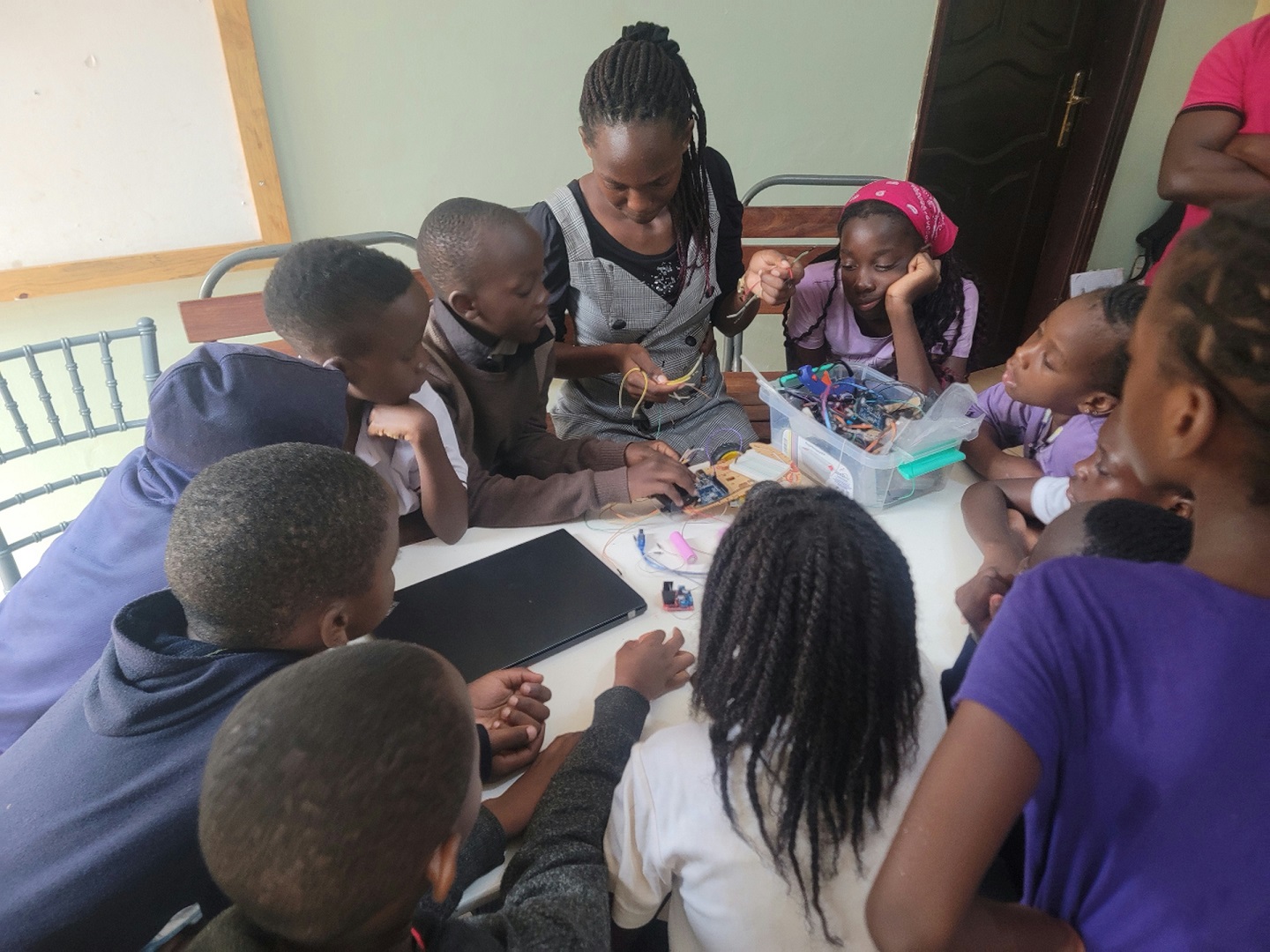
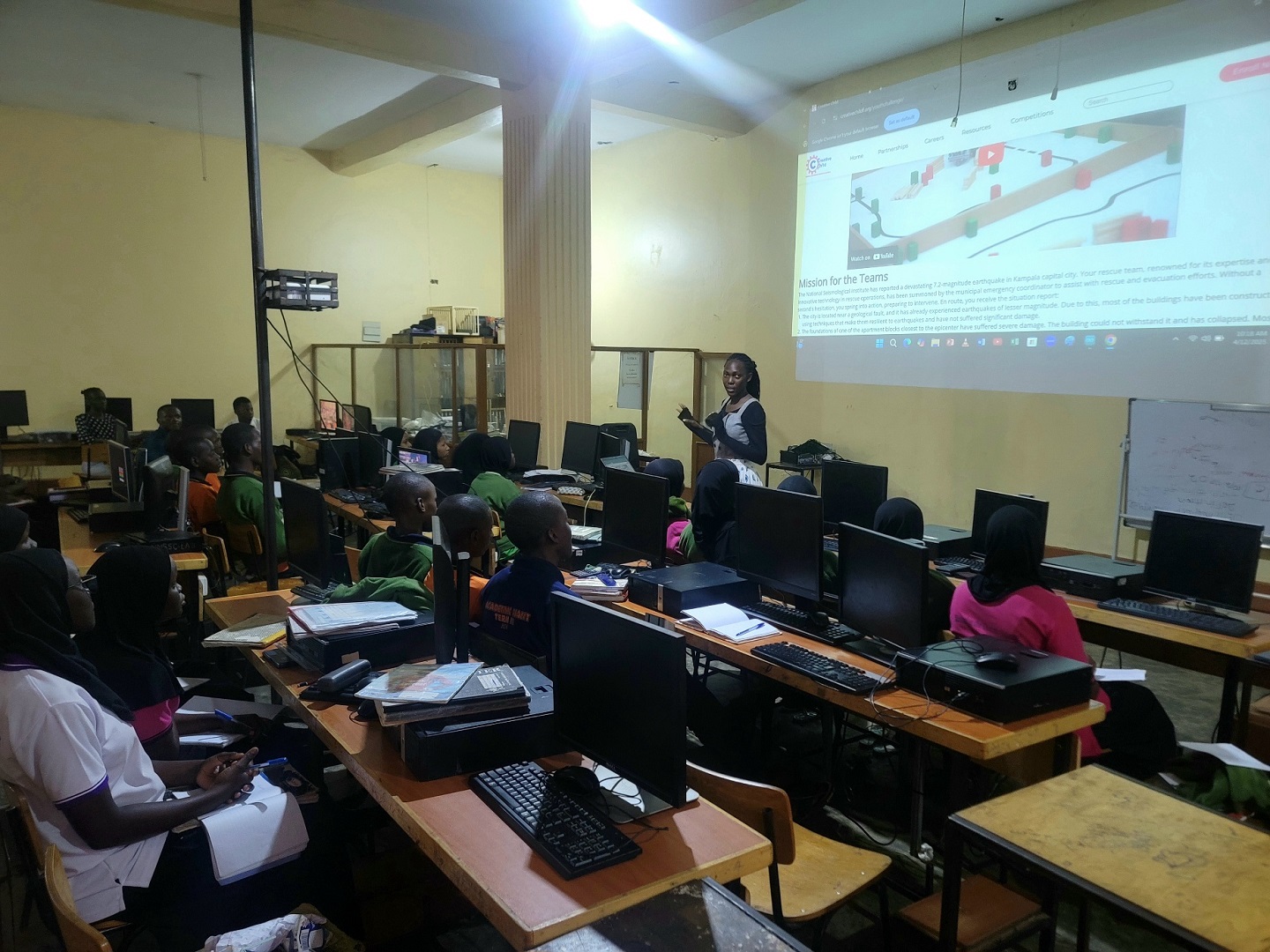
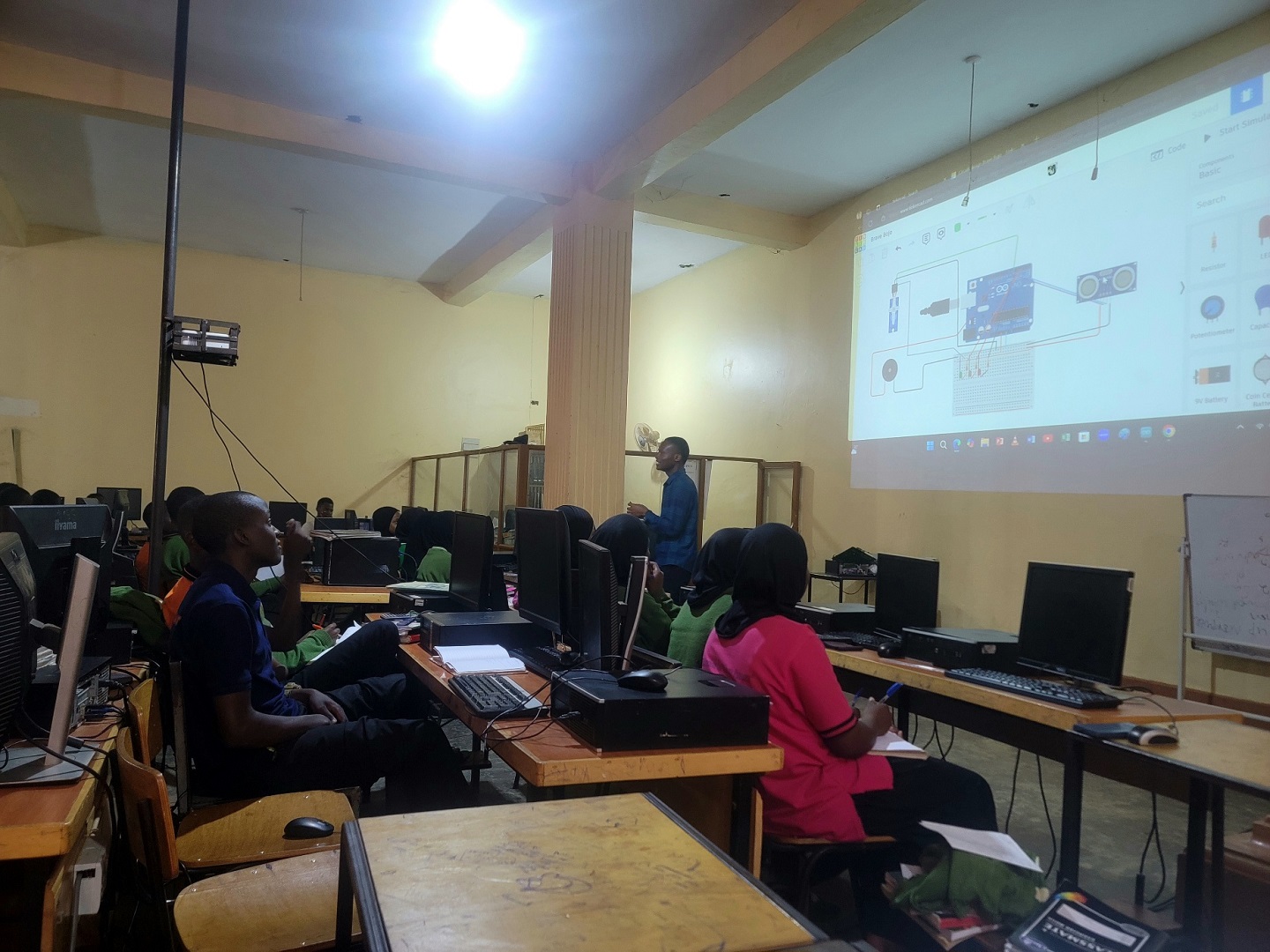
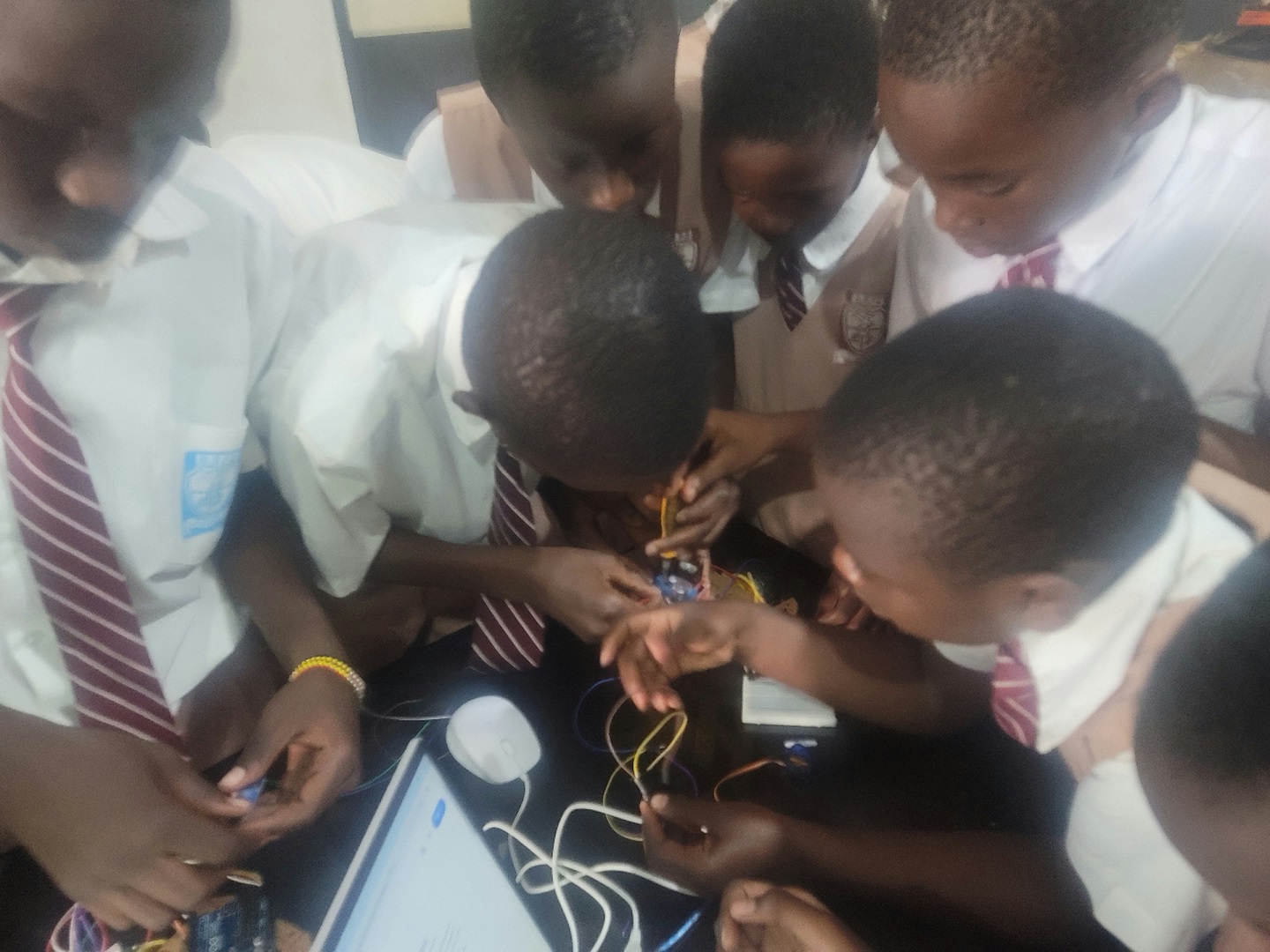
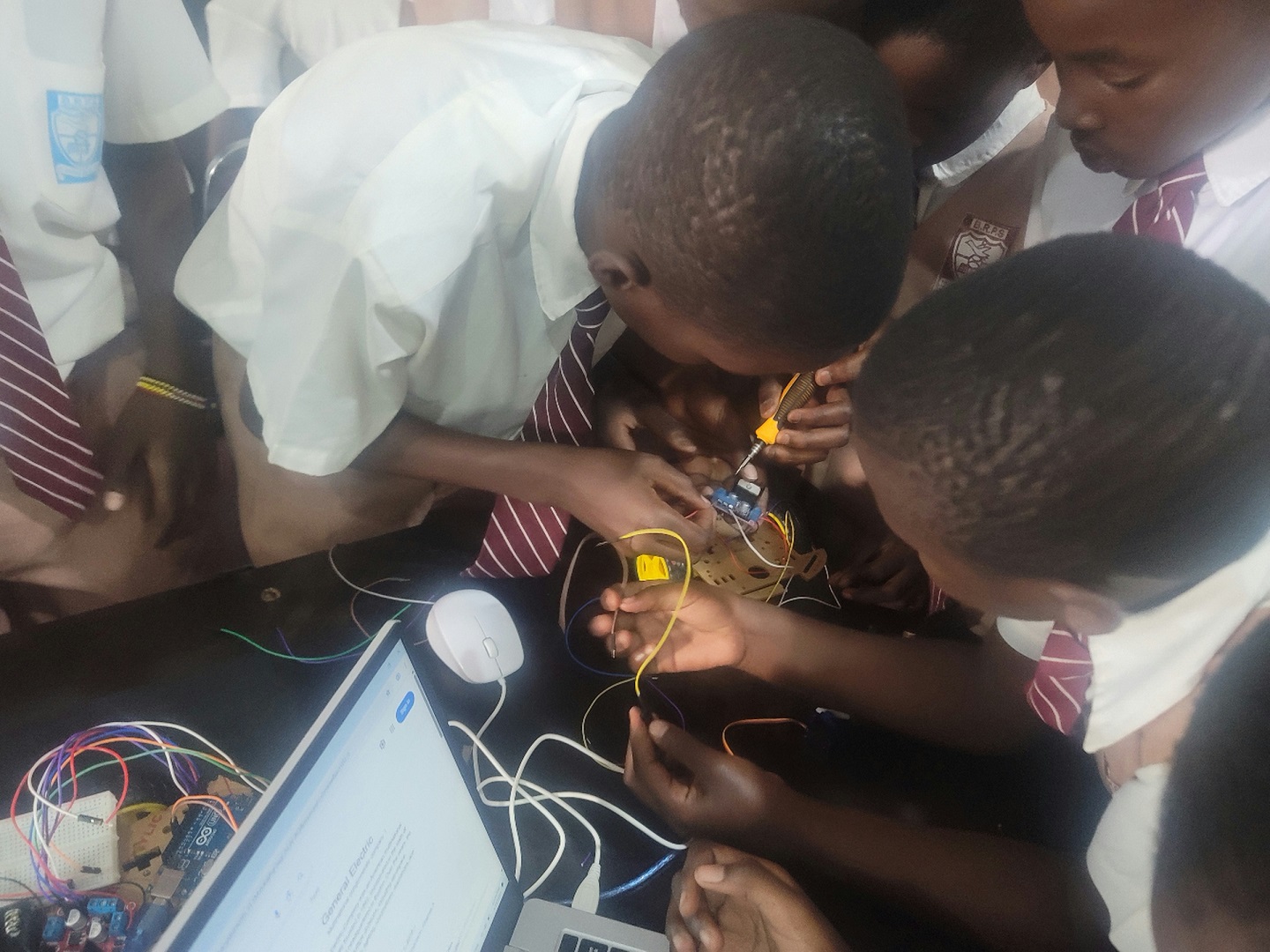
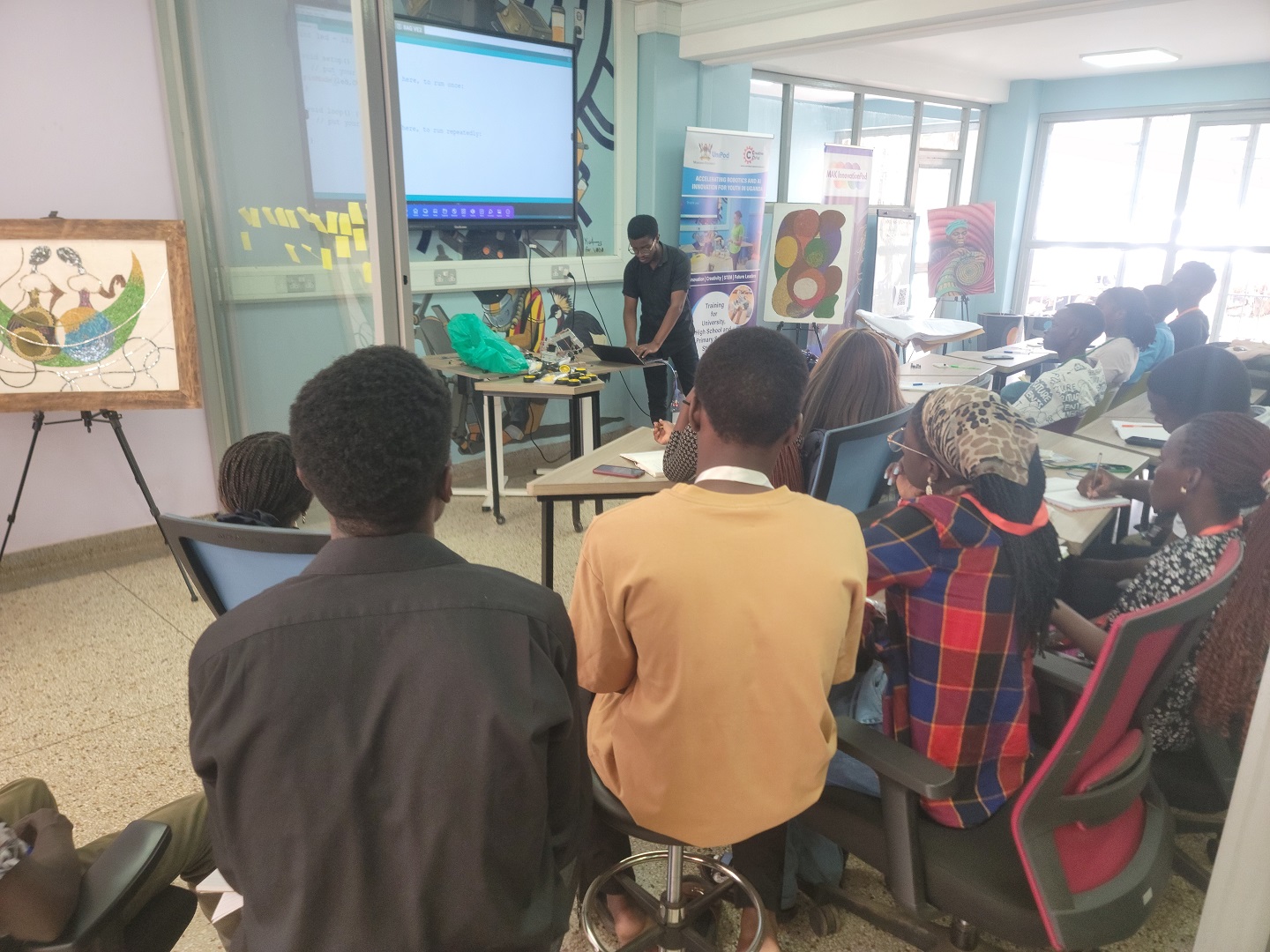
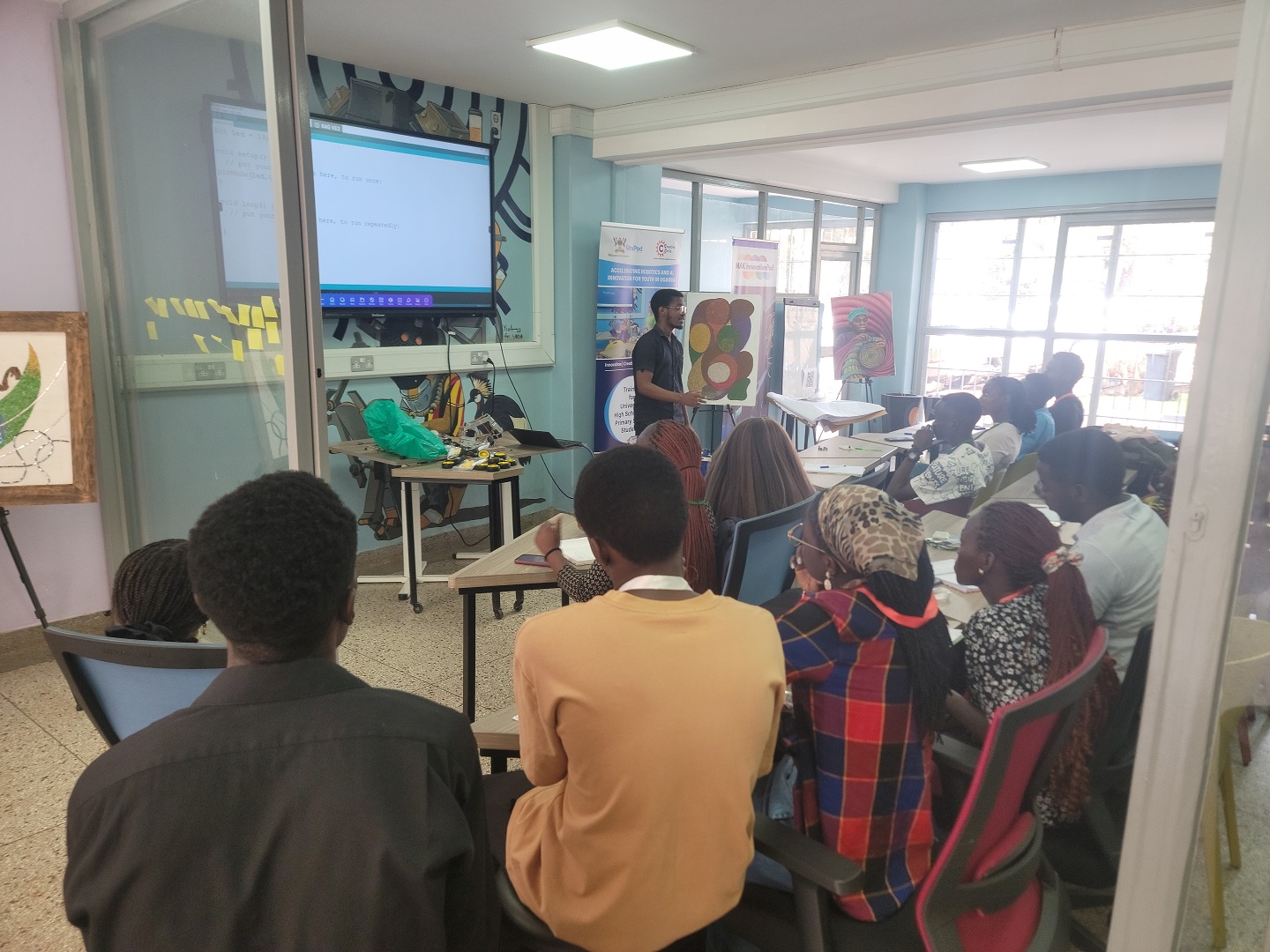
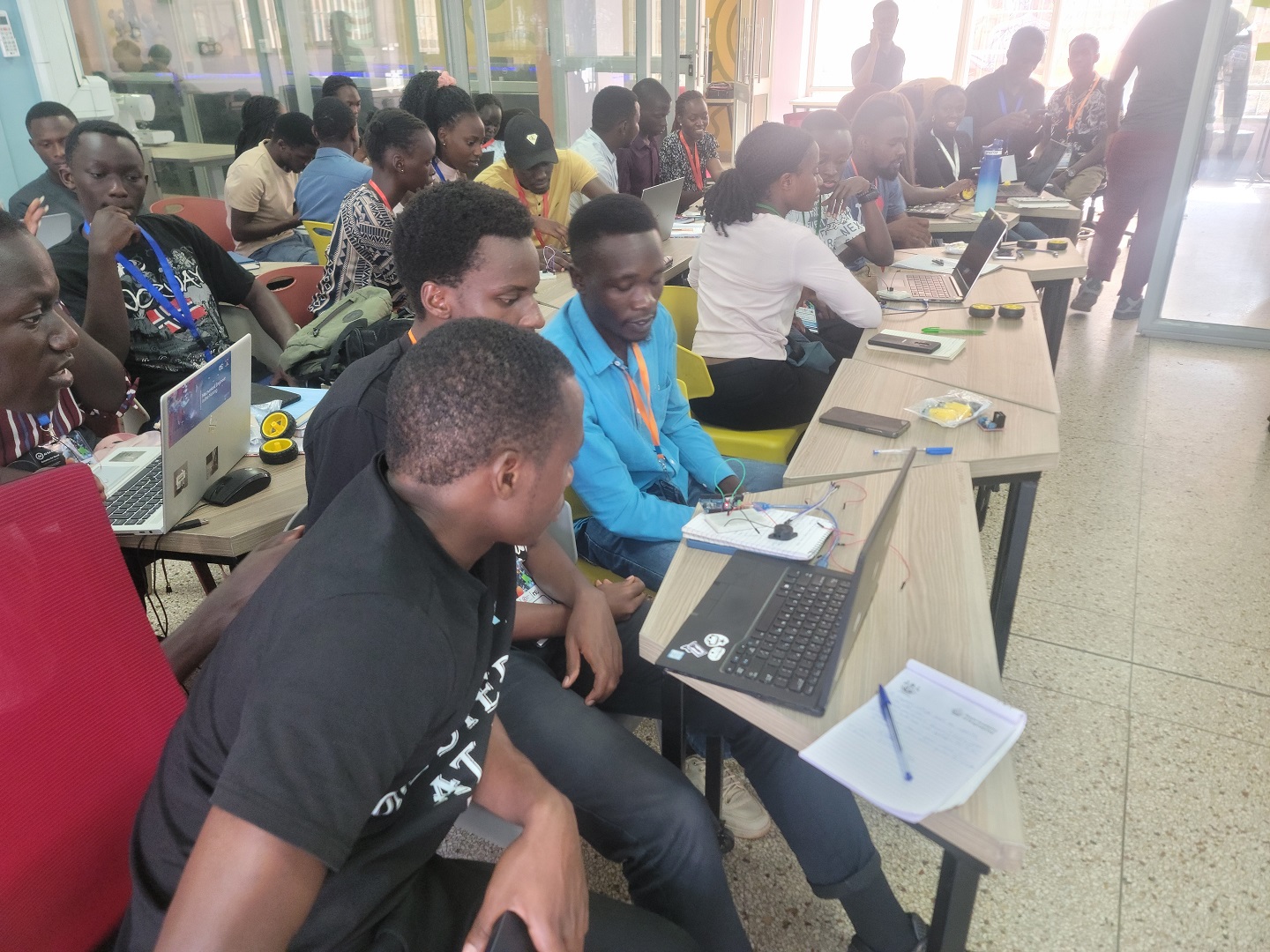
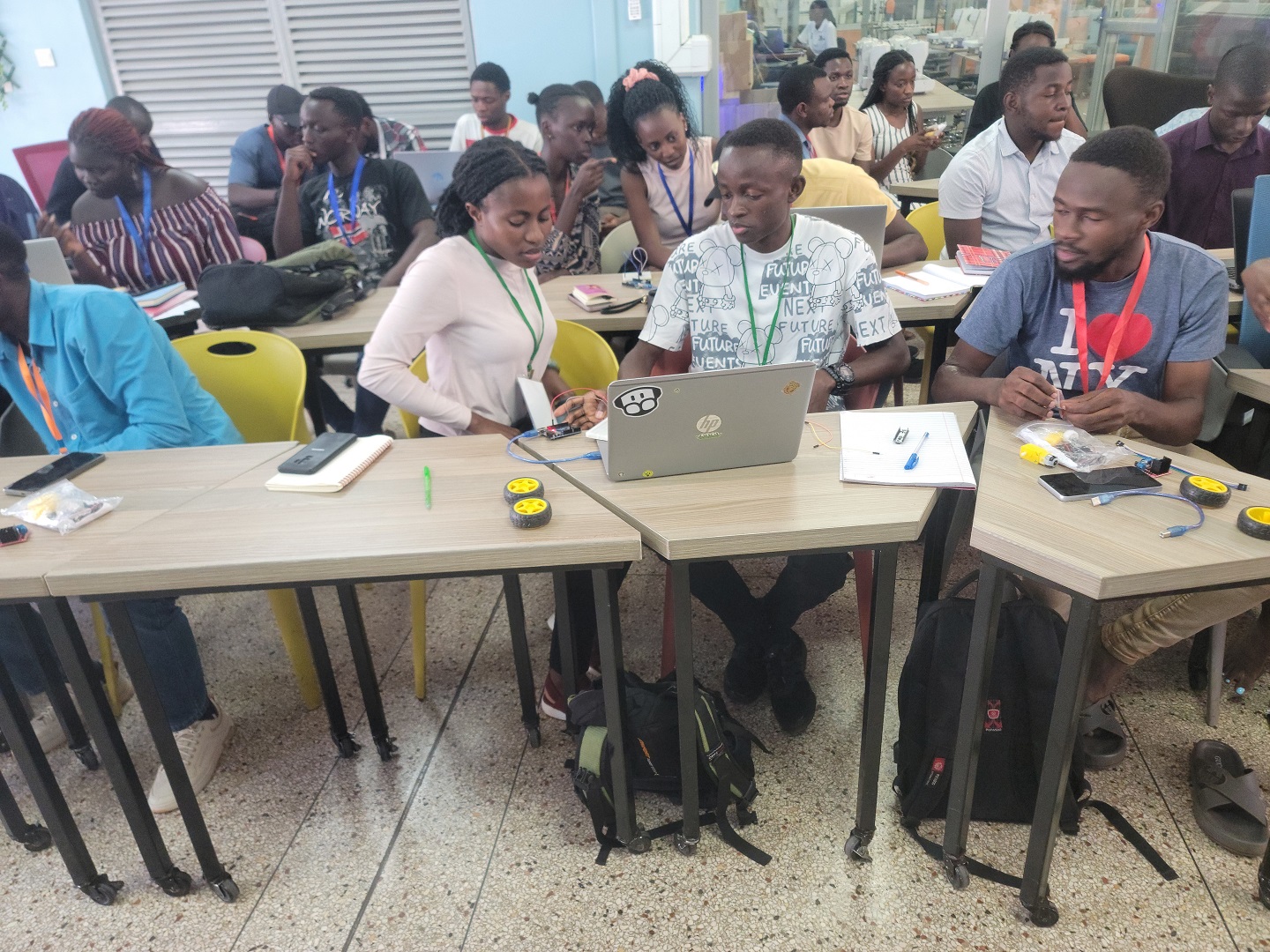
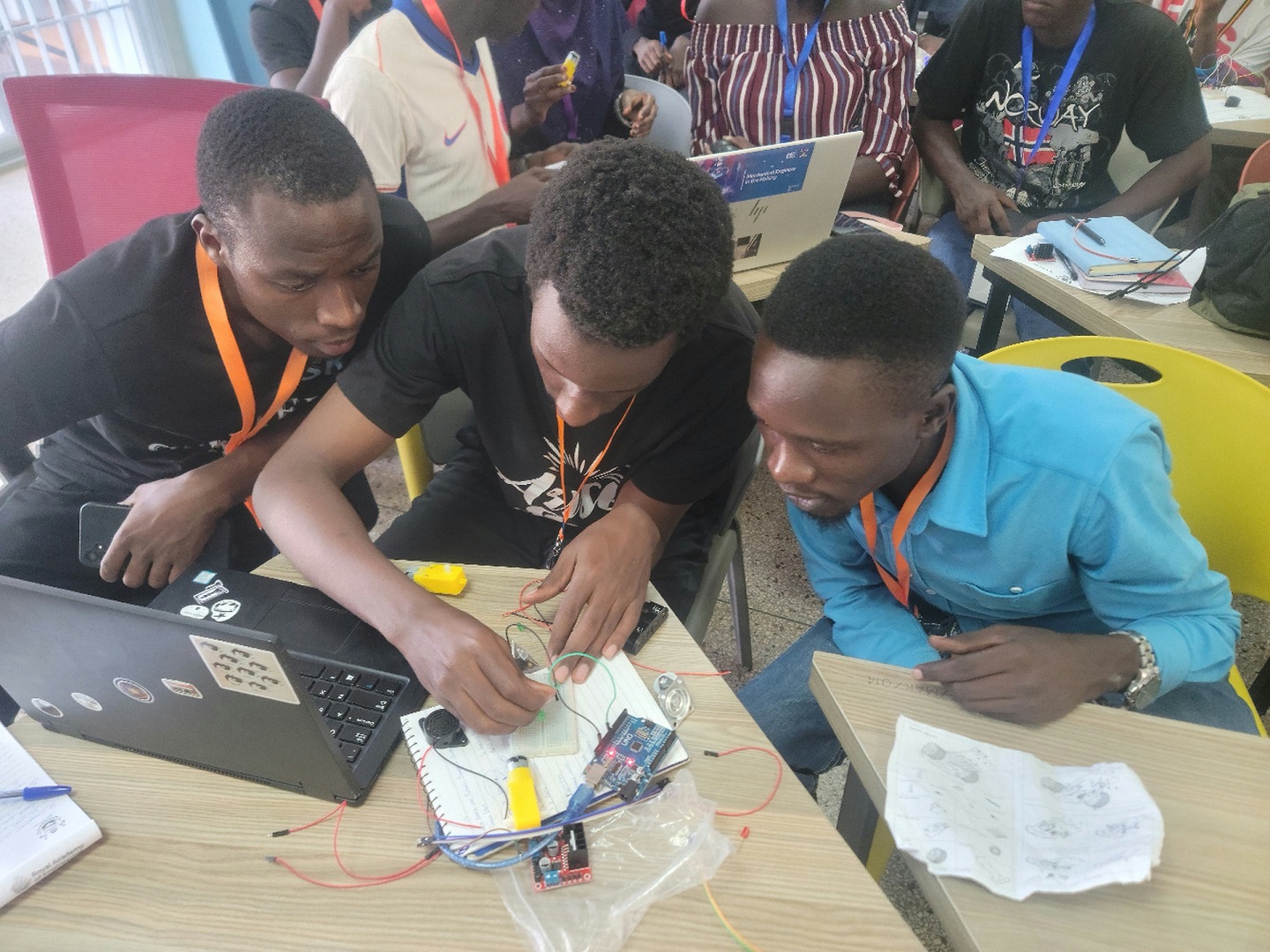
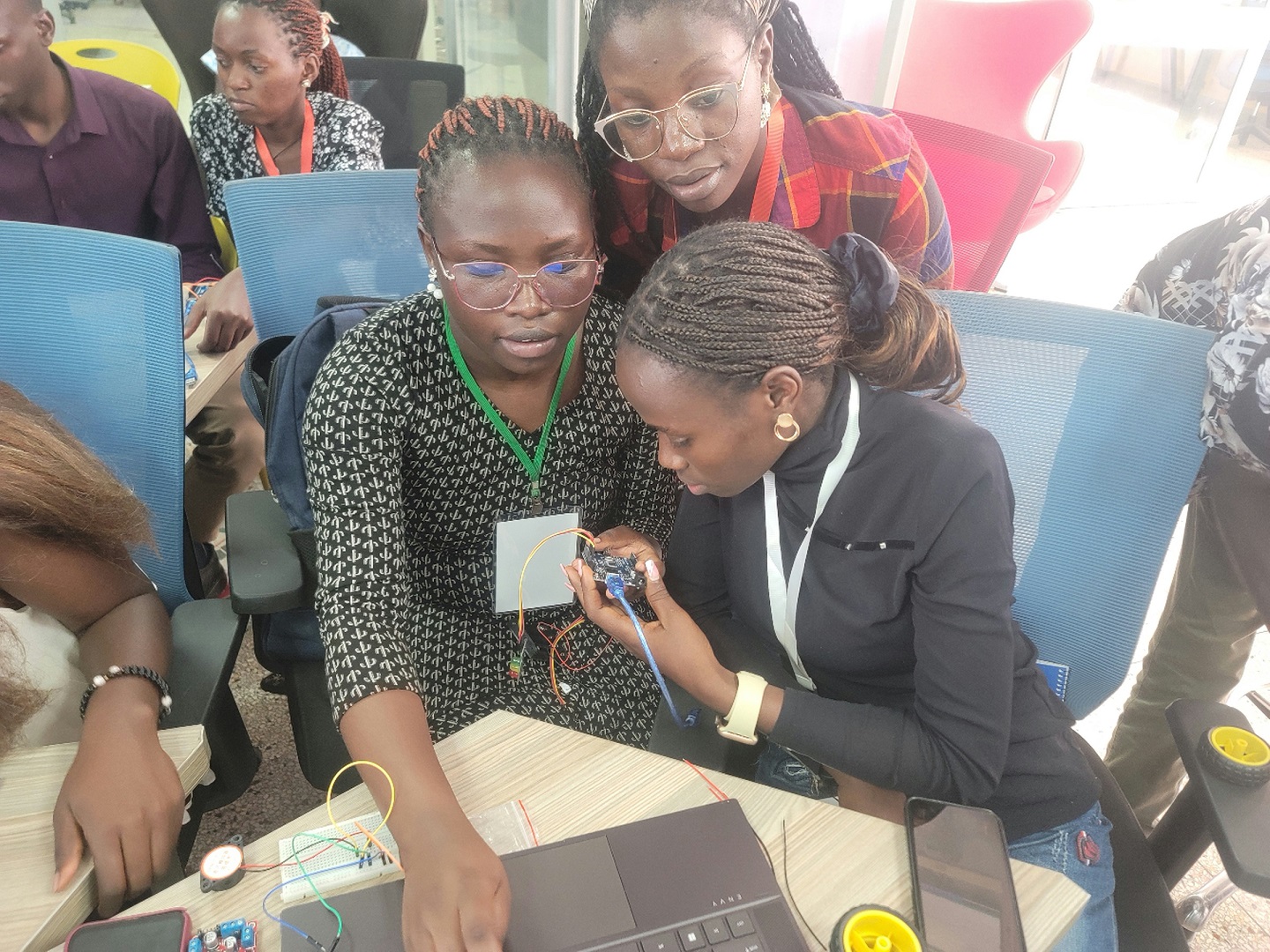
The Robotics for Good Youth Challenge 2026 – Uganda took a significant step forward this week (10th - 14th March 2026) as passionate university students gathered for an intensive robotics and artificial intelligence training program at the Makerere University Innovation Pod. Organized by the Creative Child Foundation in collaboration with Makerere University Innovation Pod and student innovation leaders from Makerere Engineering Society, the five-day workshop equipped participants with practical skills in robotics design, programming, and innovation for real-world challenges.
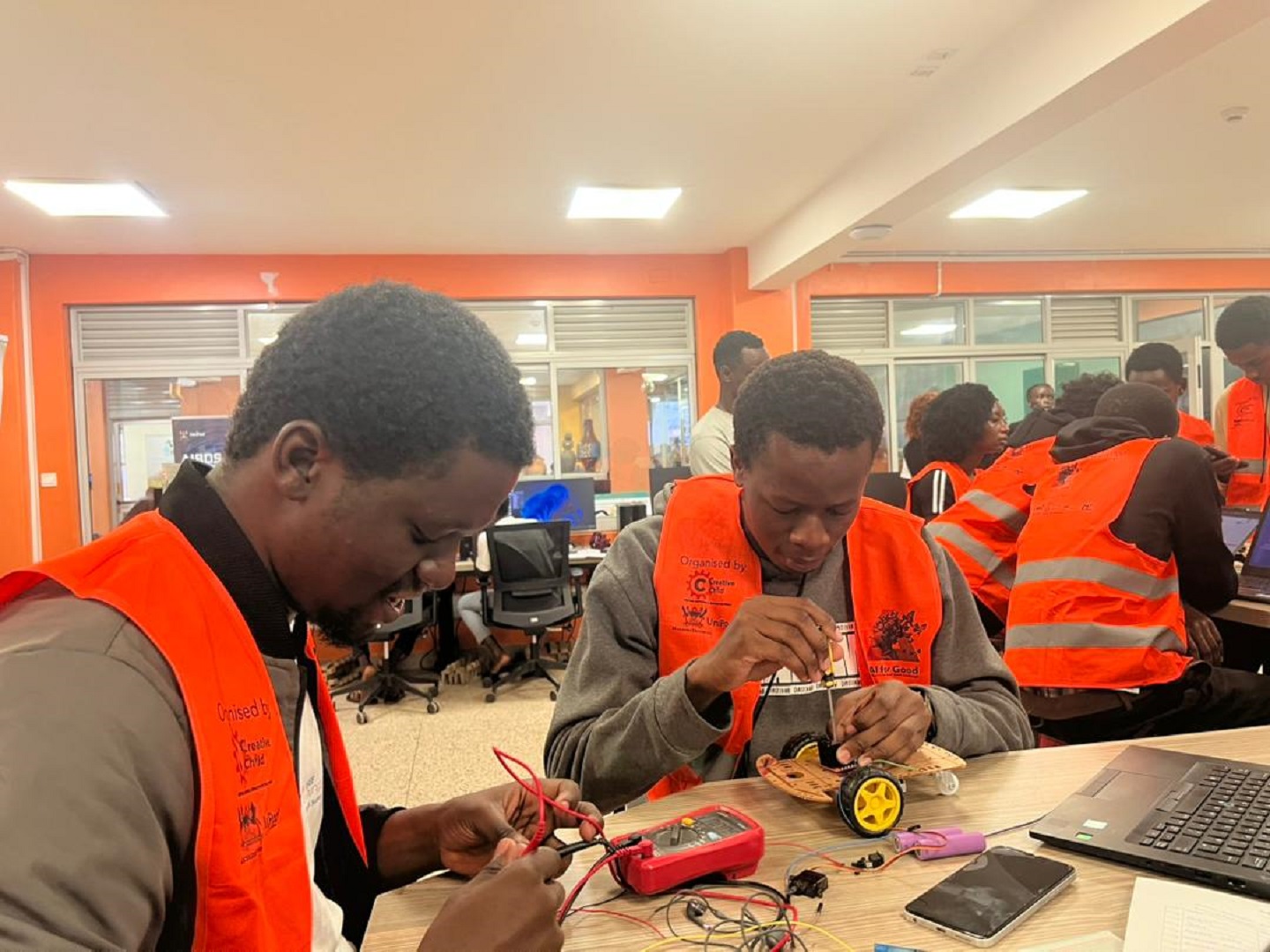
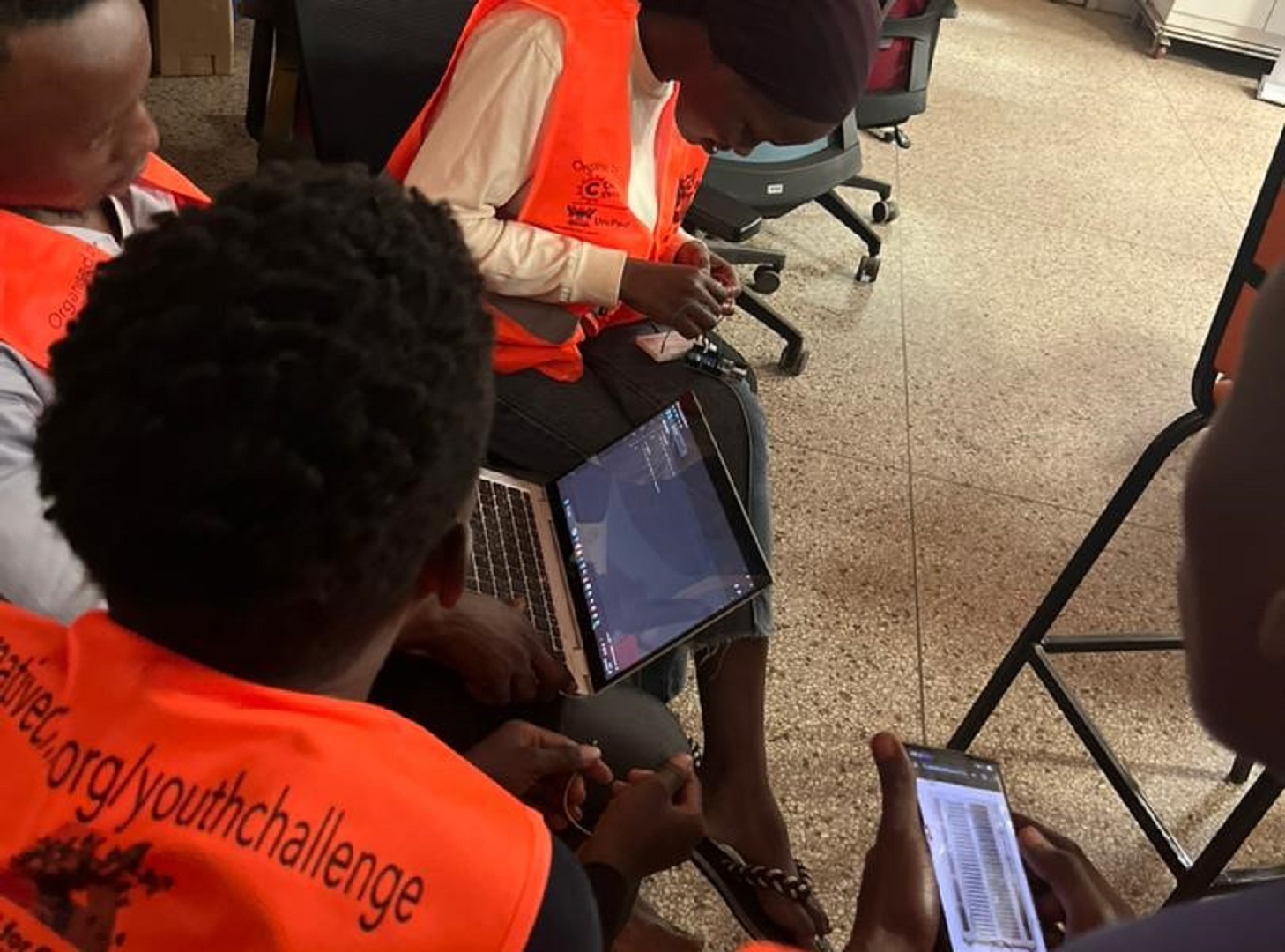
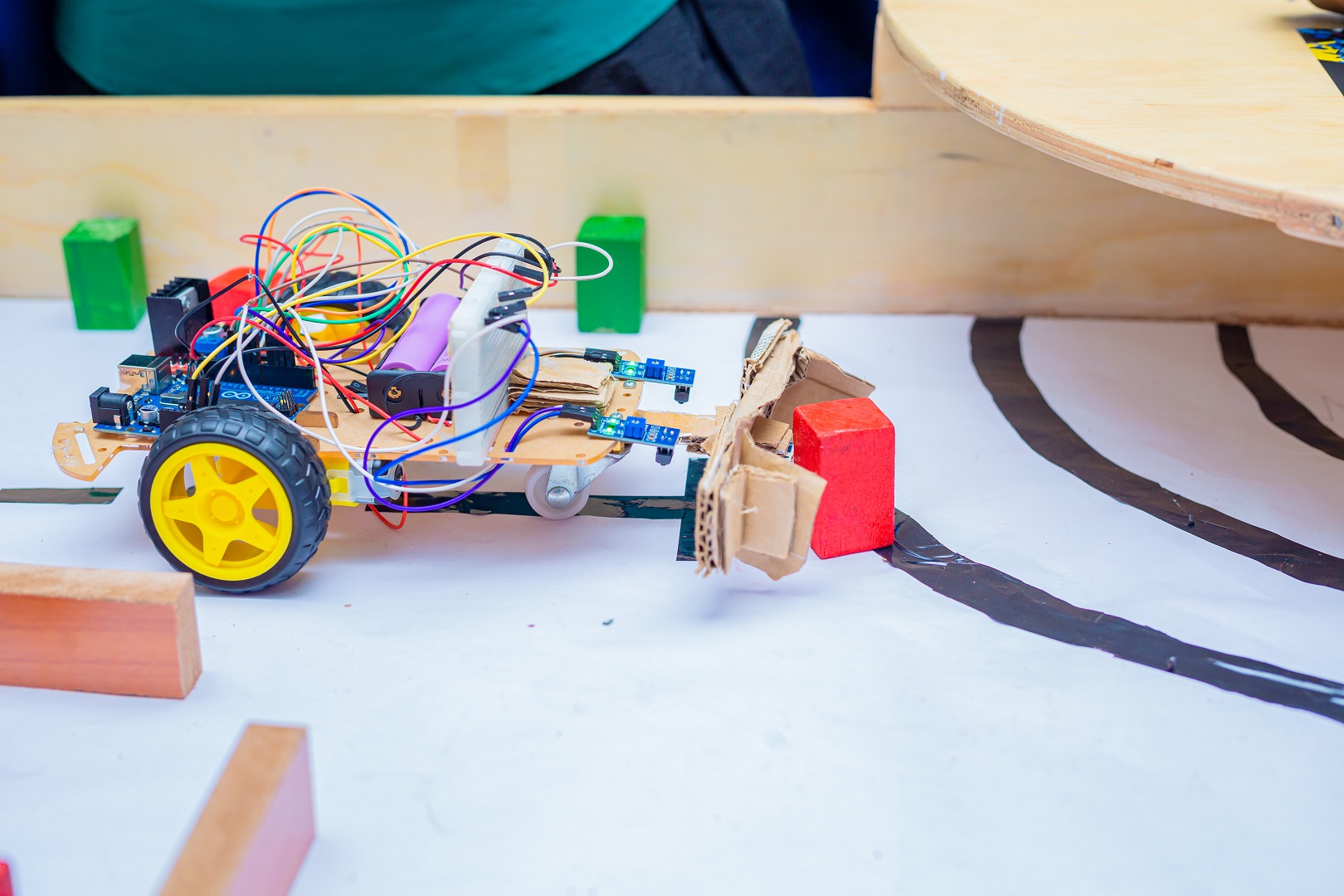
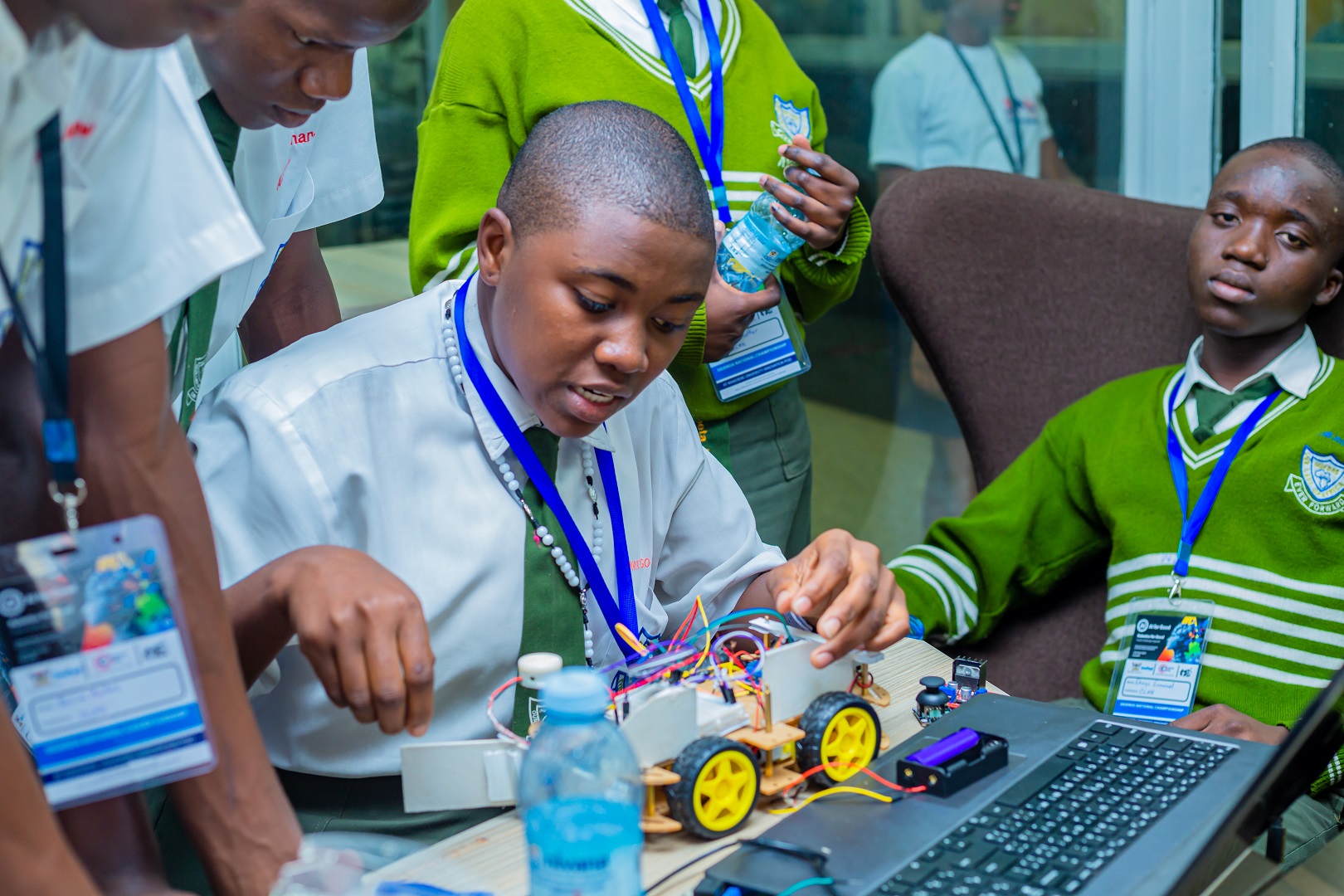
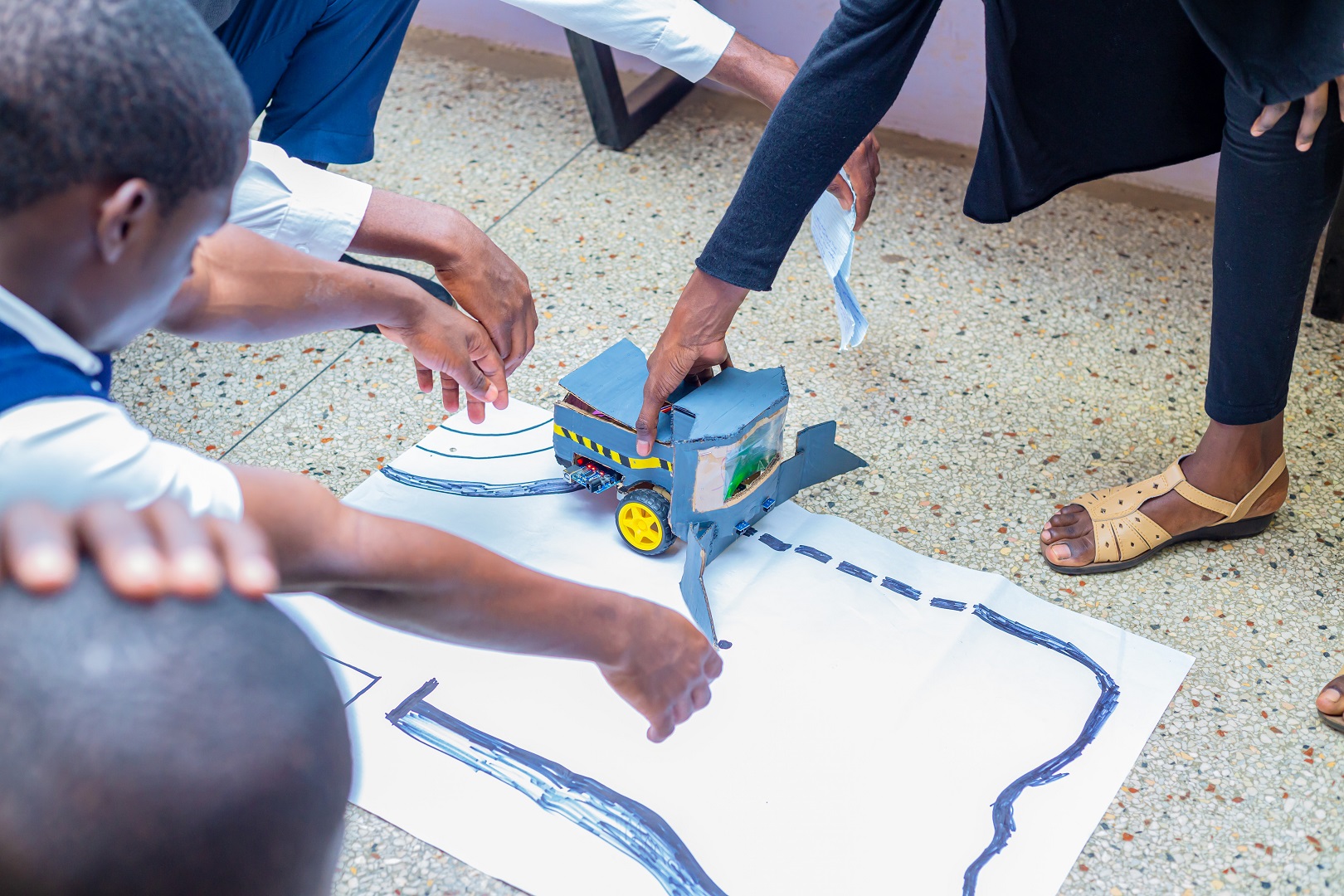
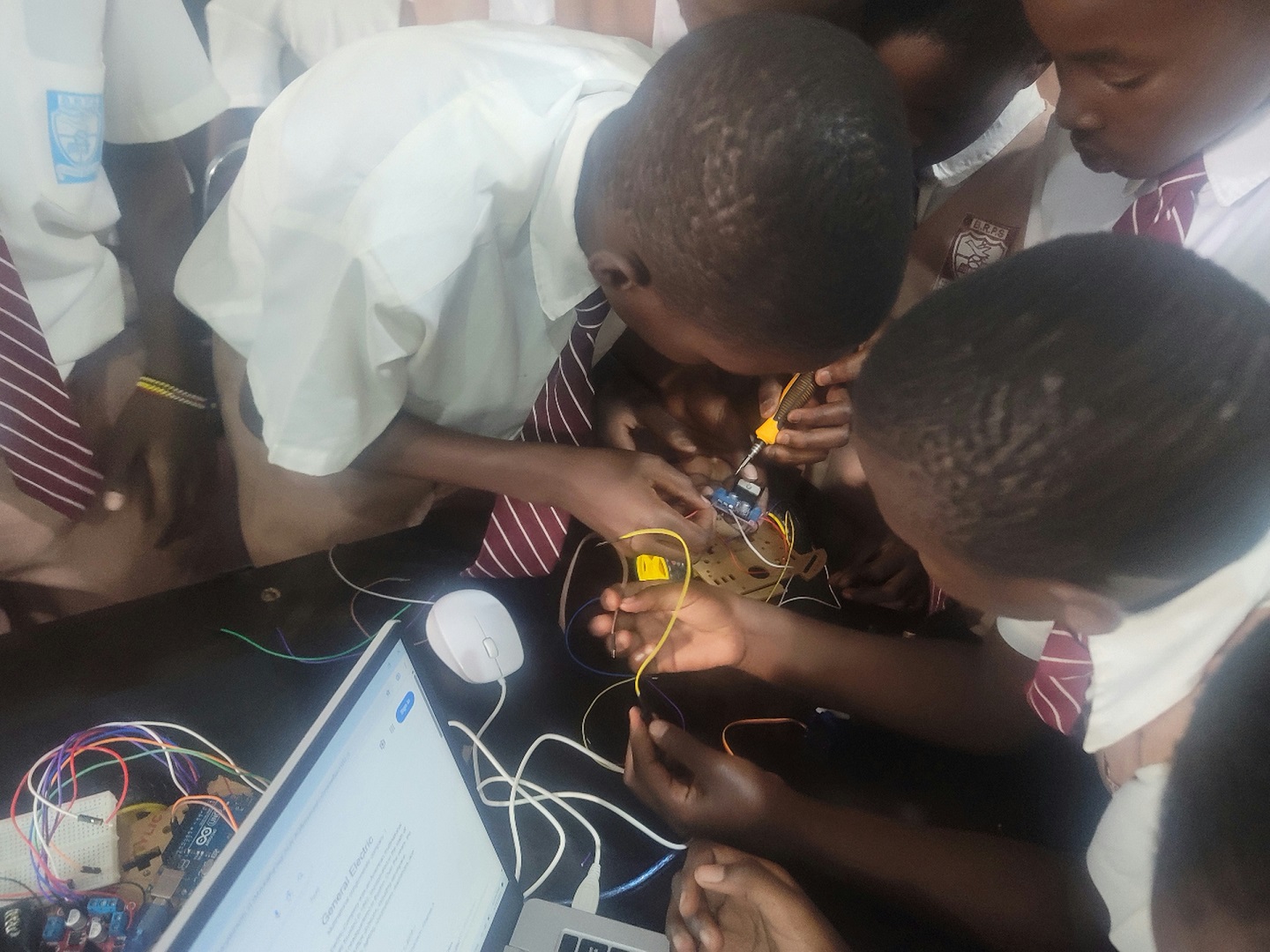
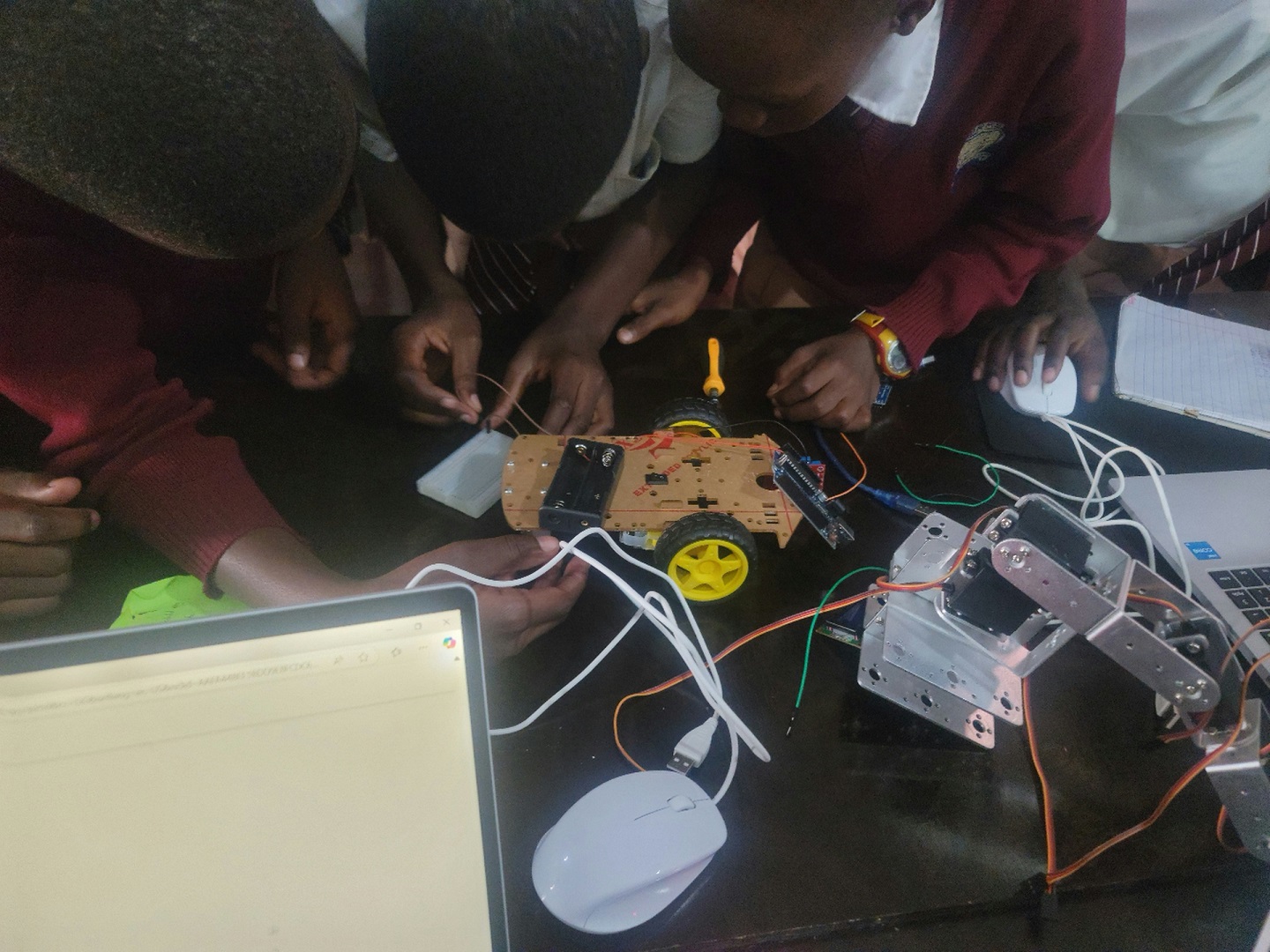
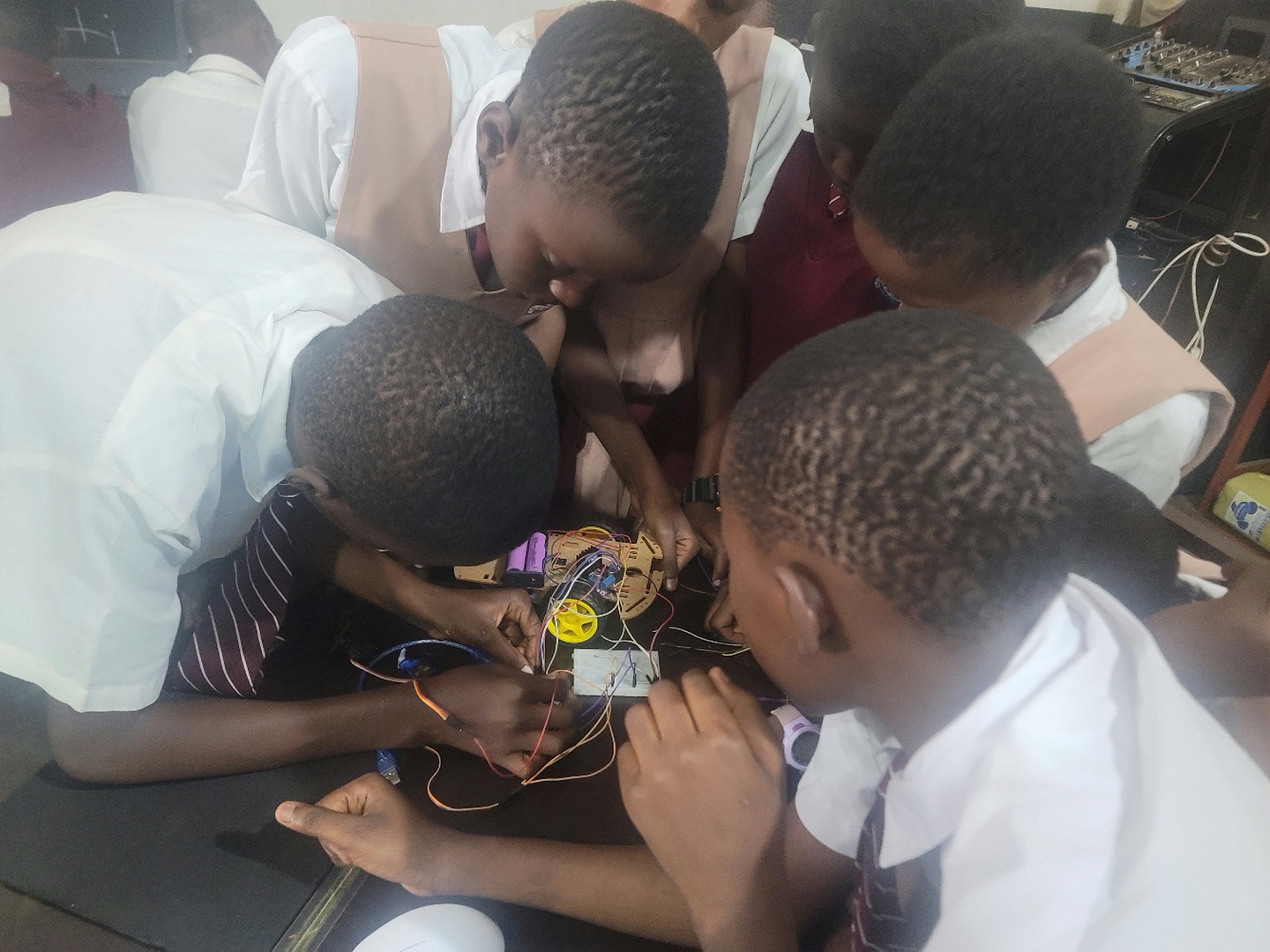
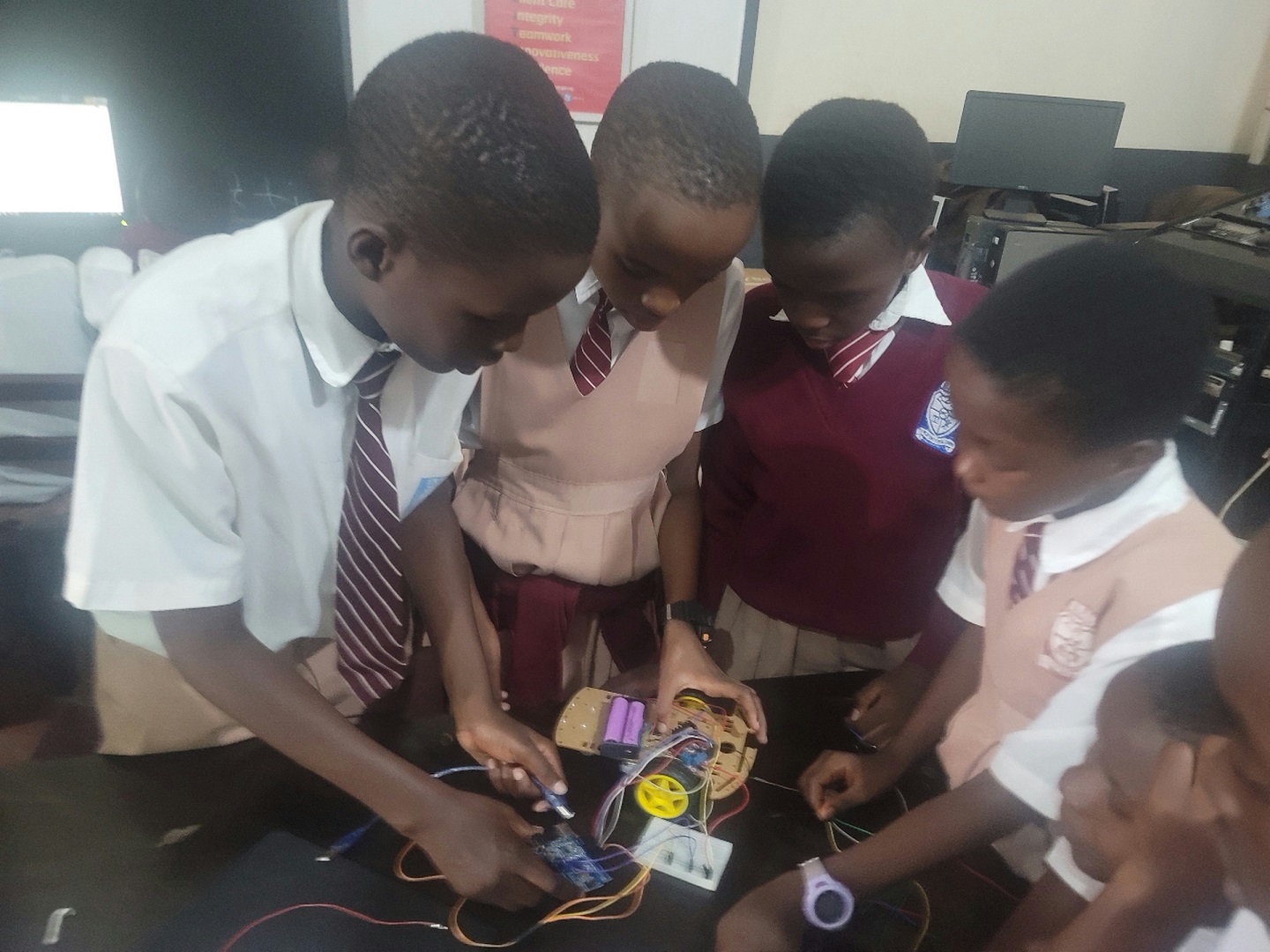
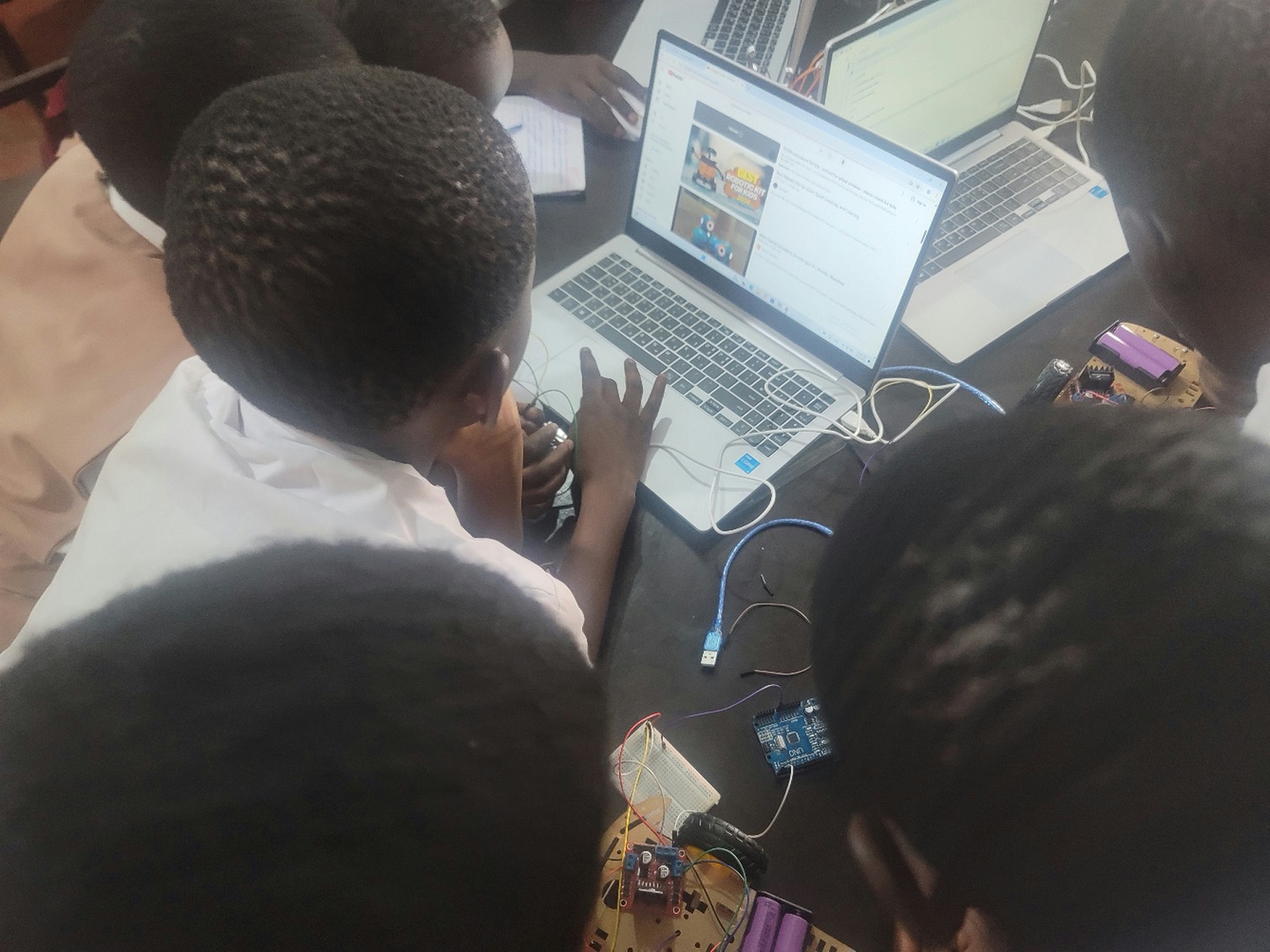
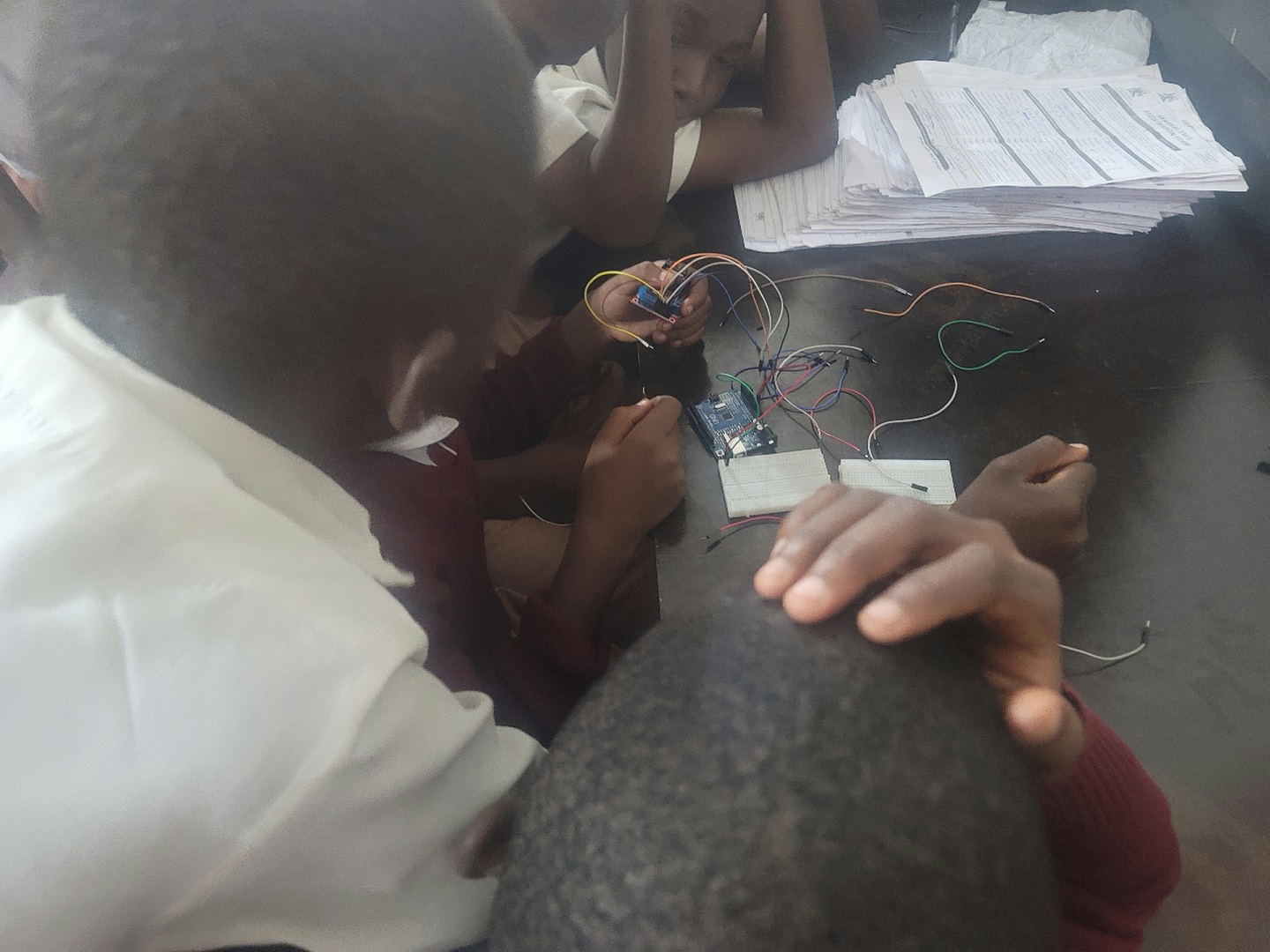
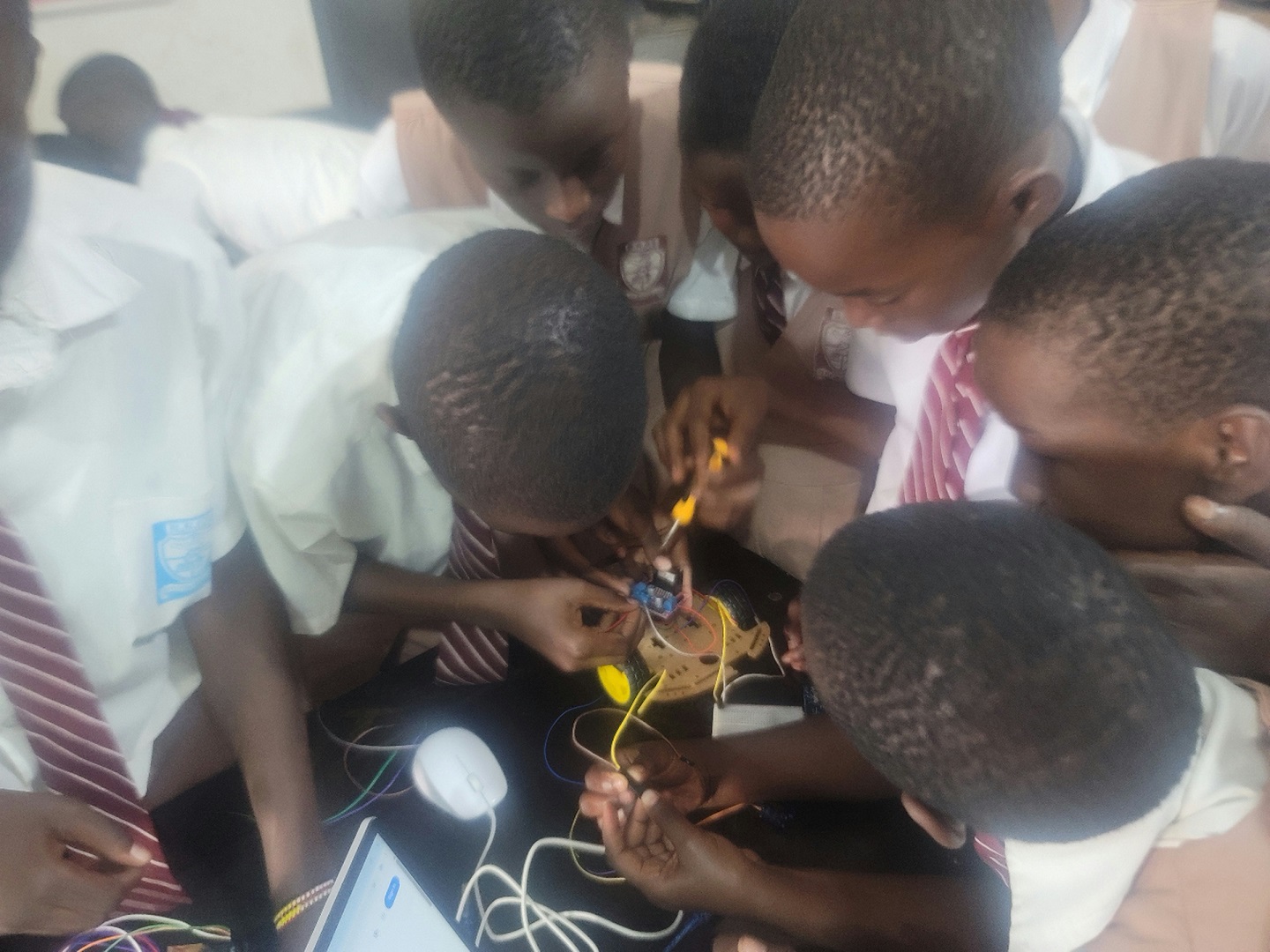
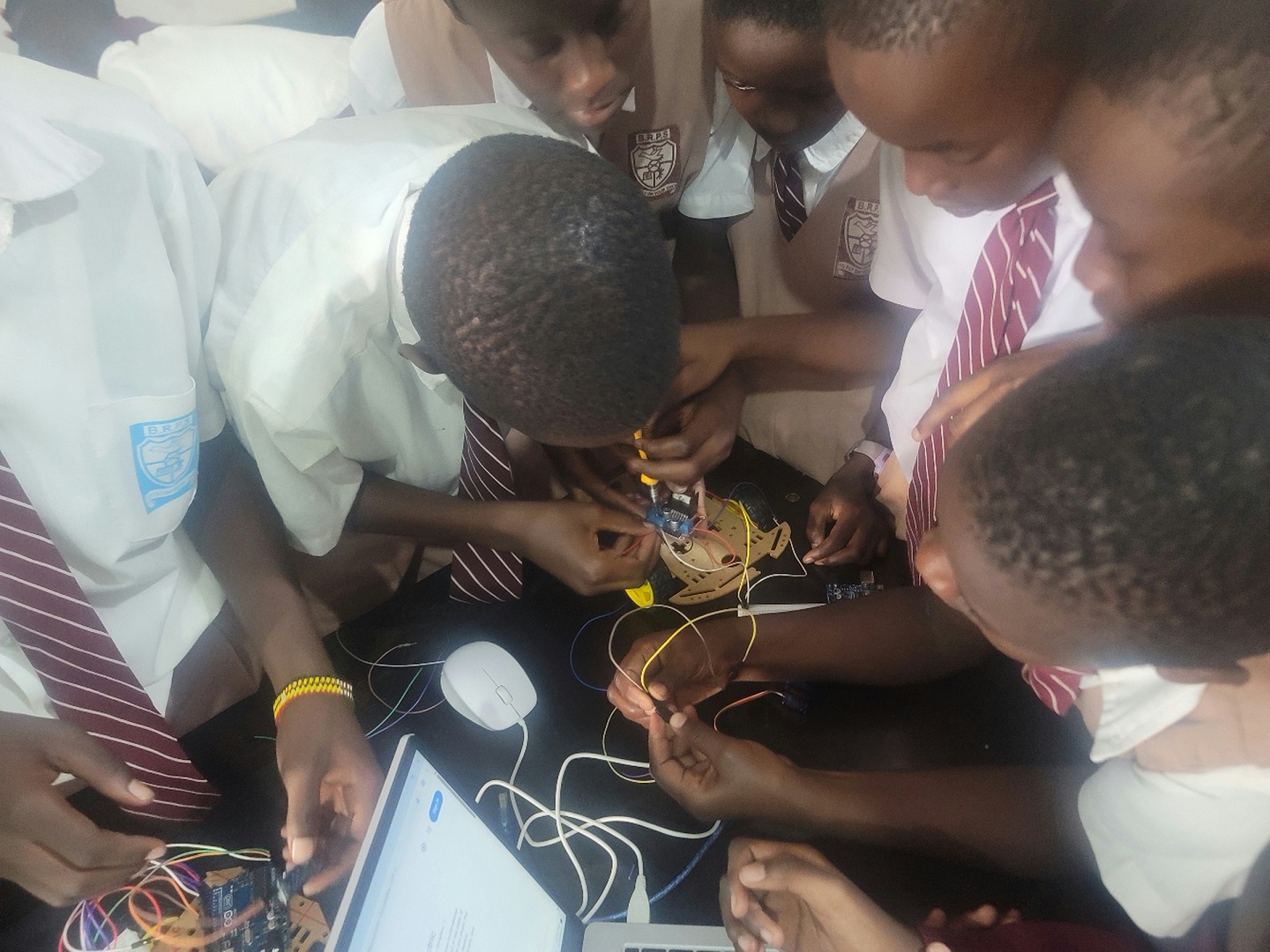
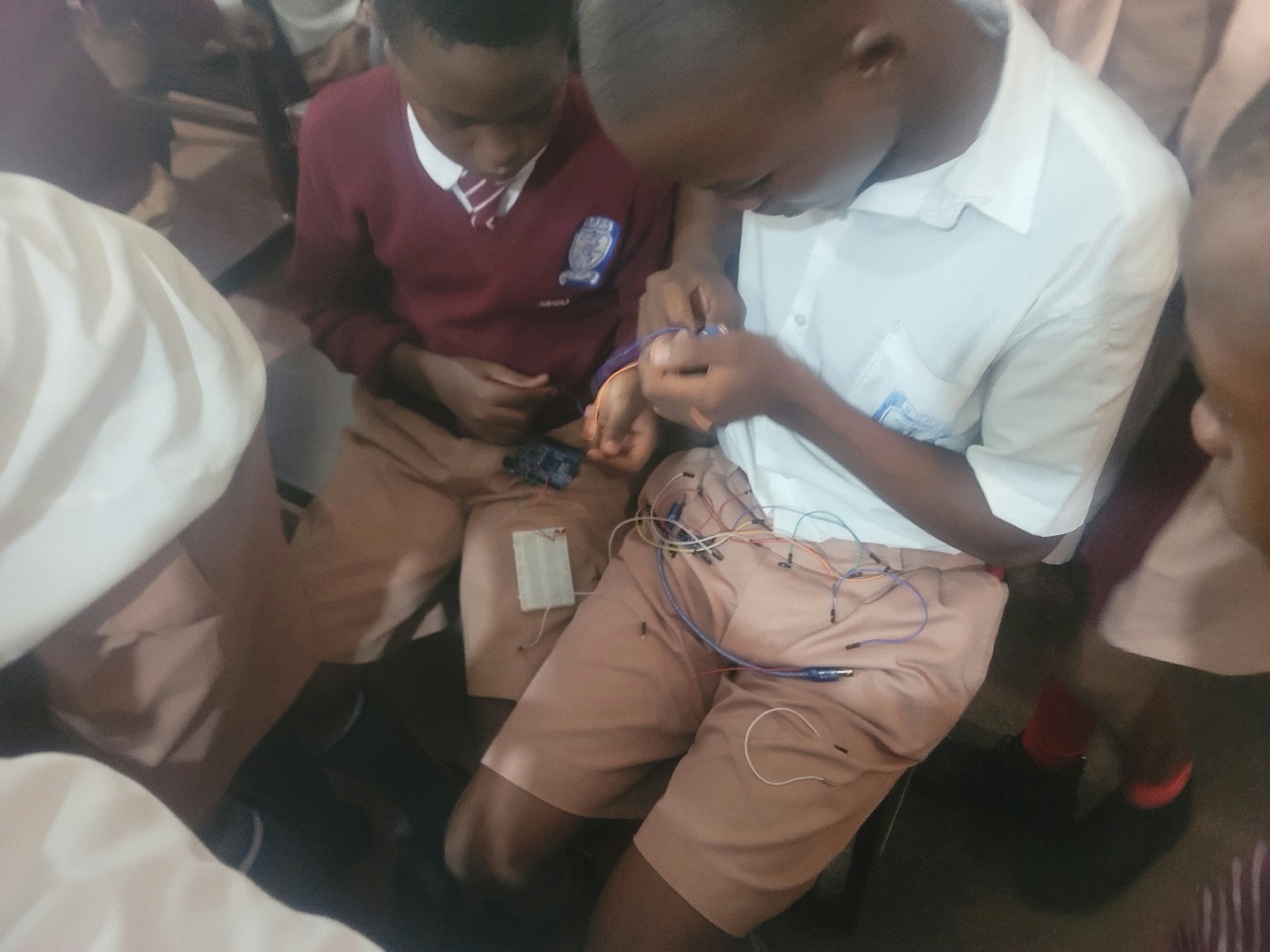
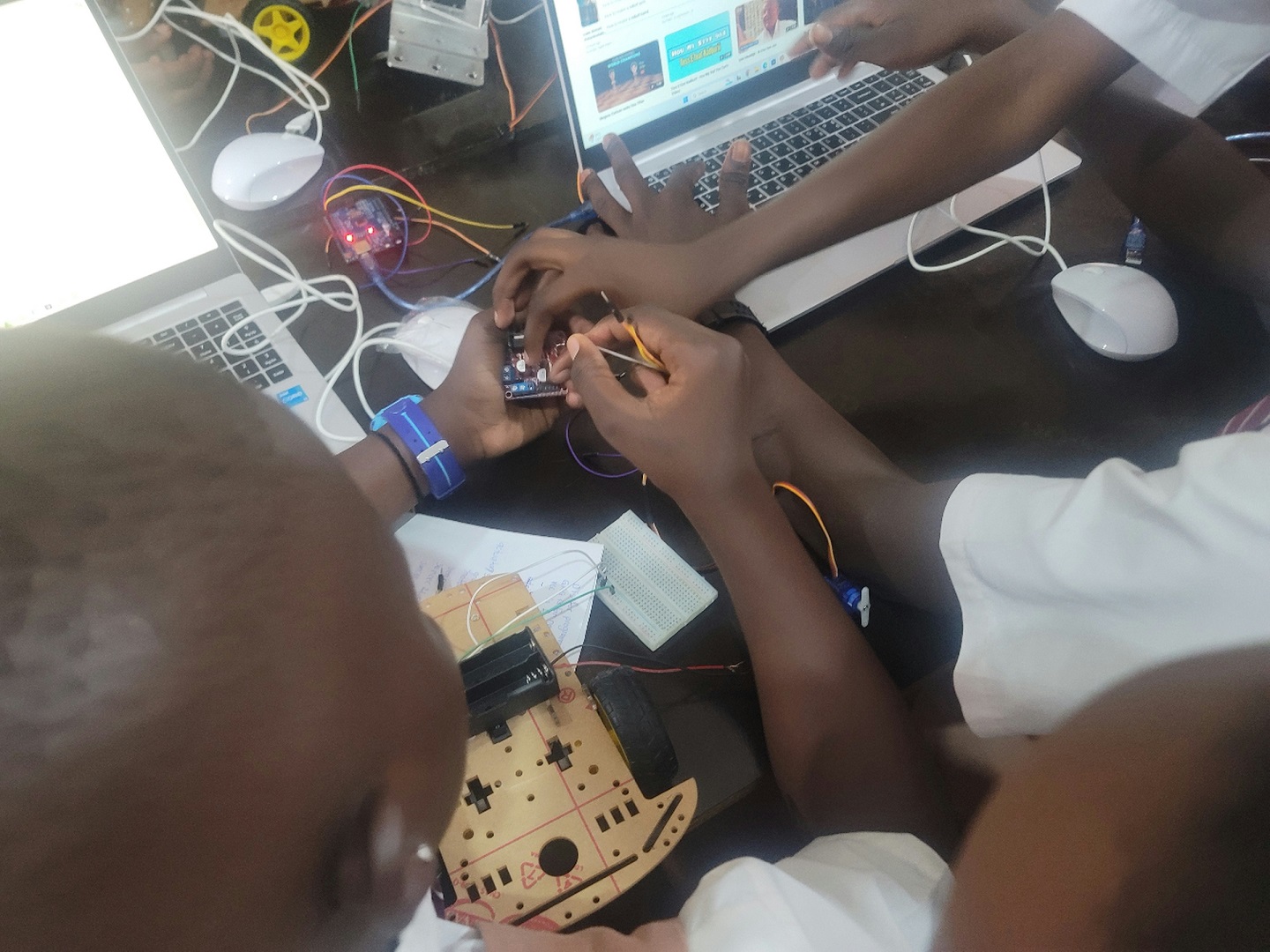
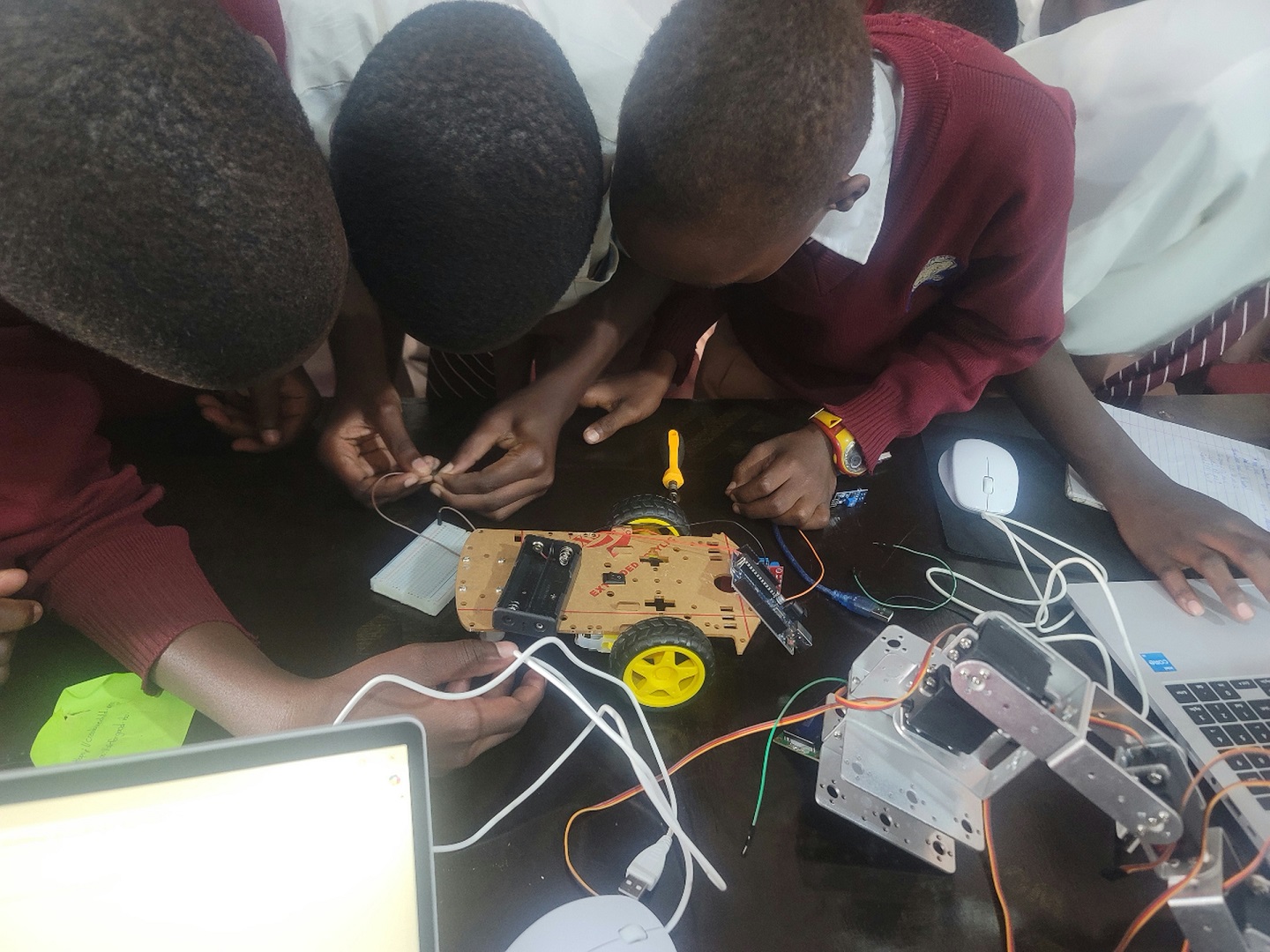
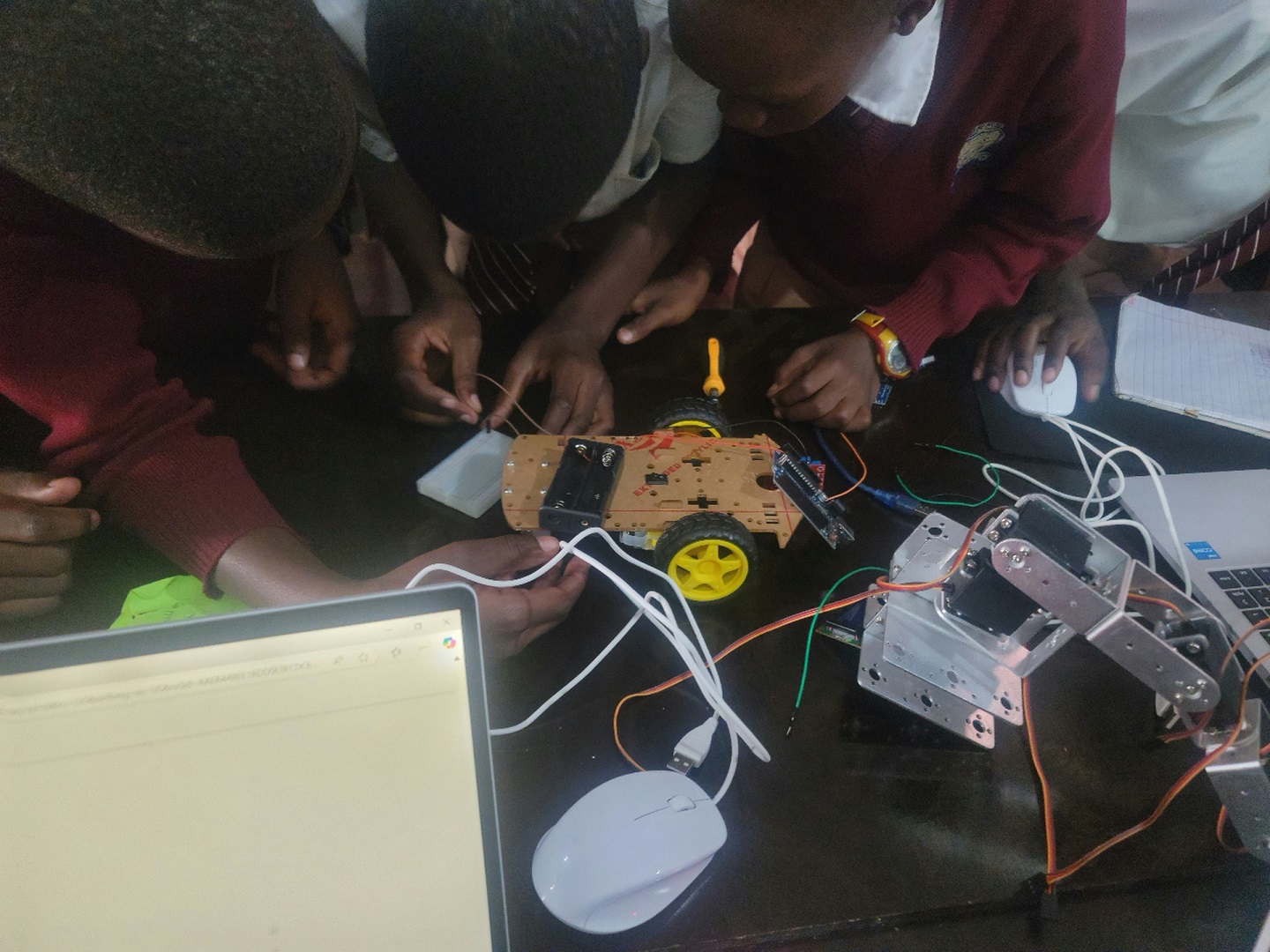
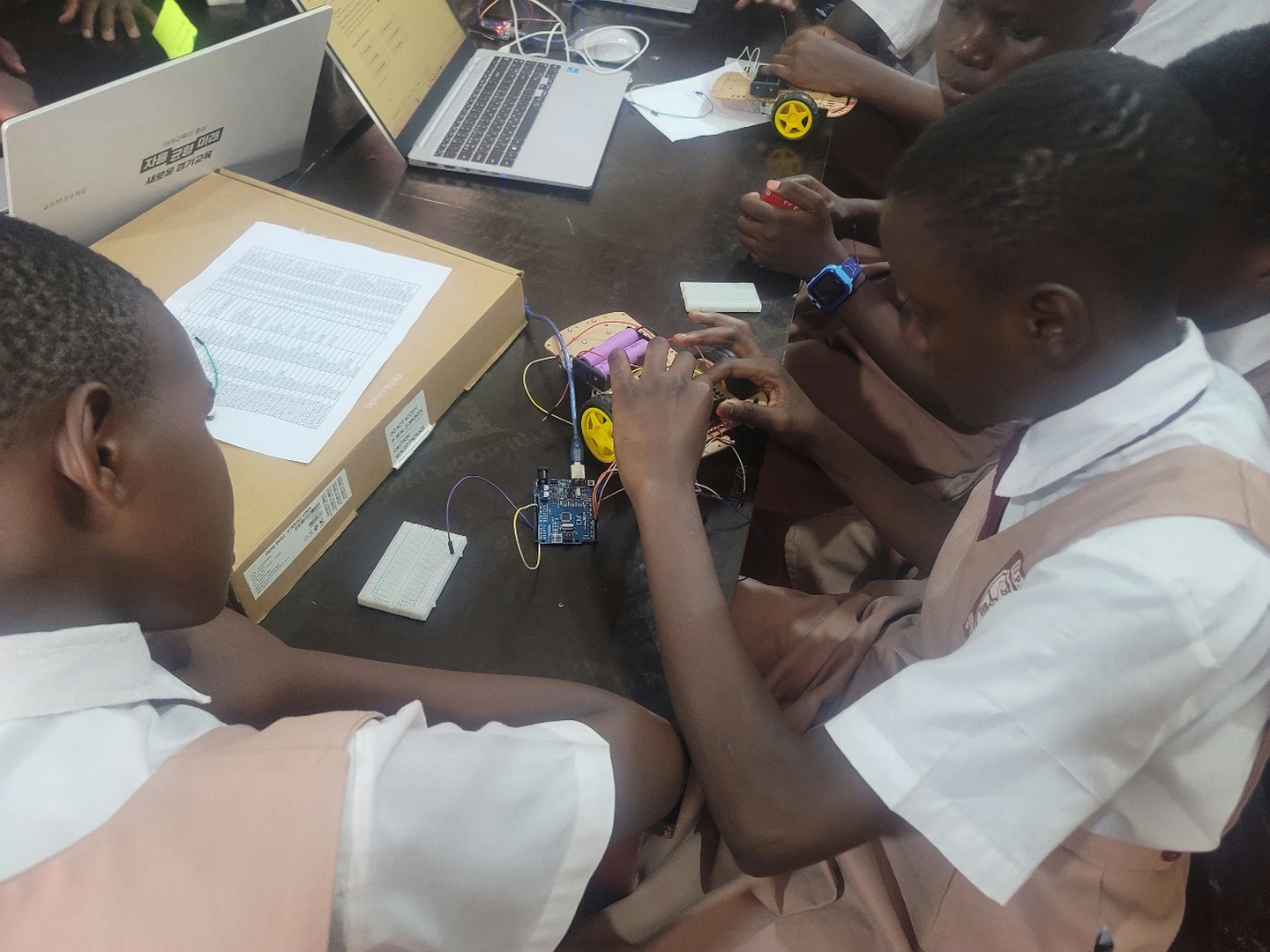
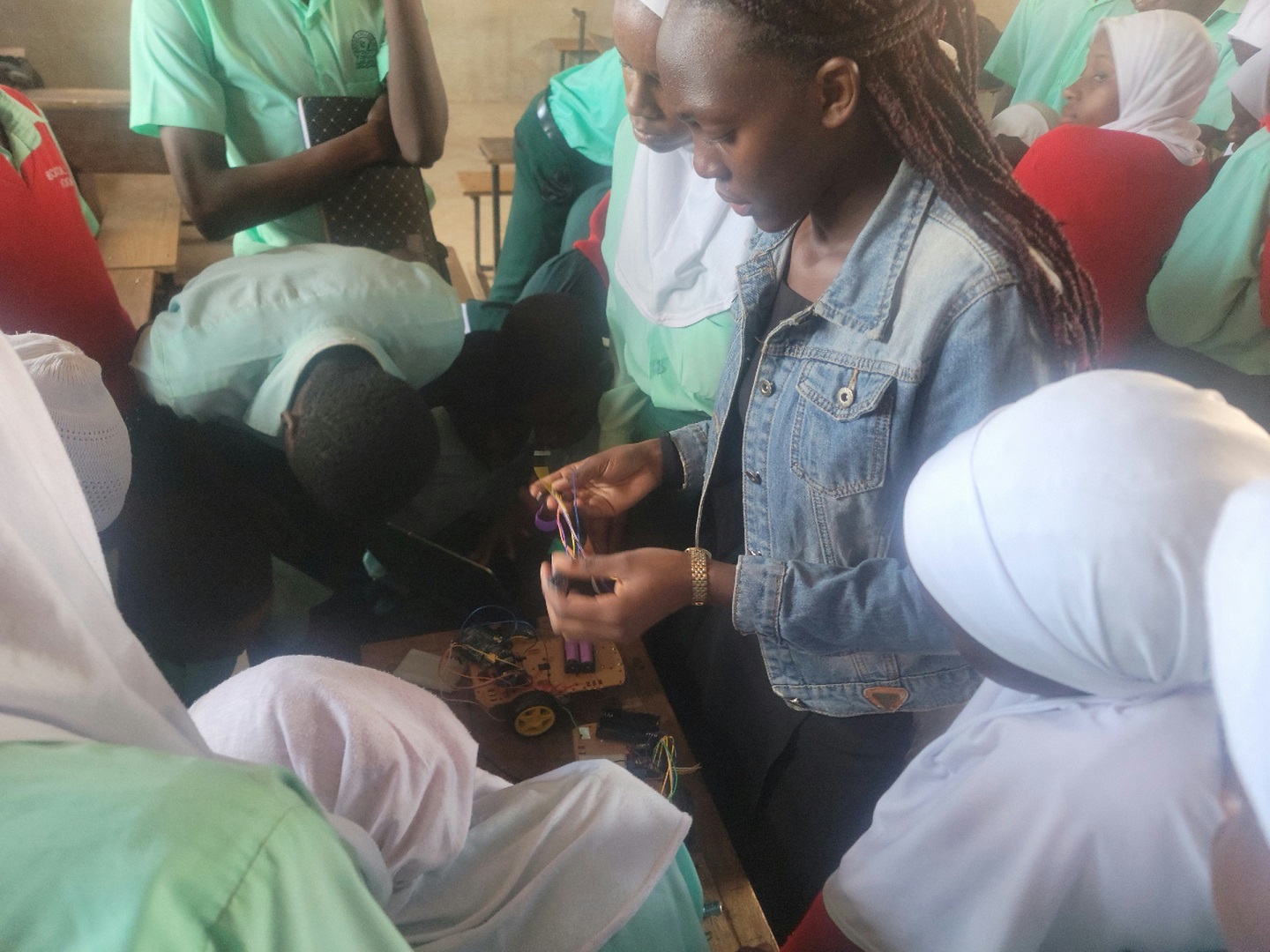
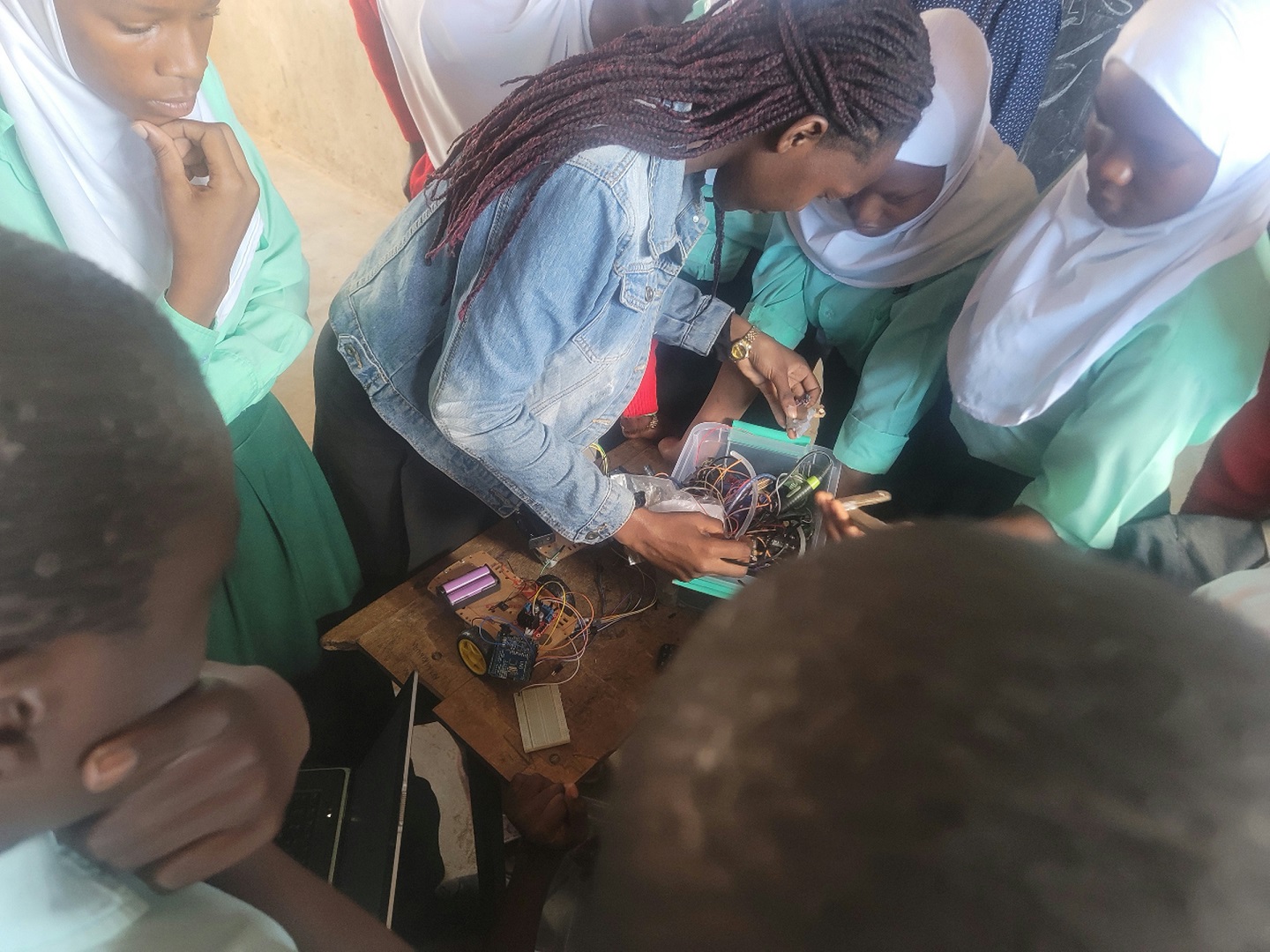
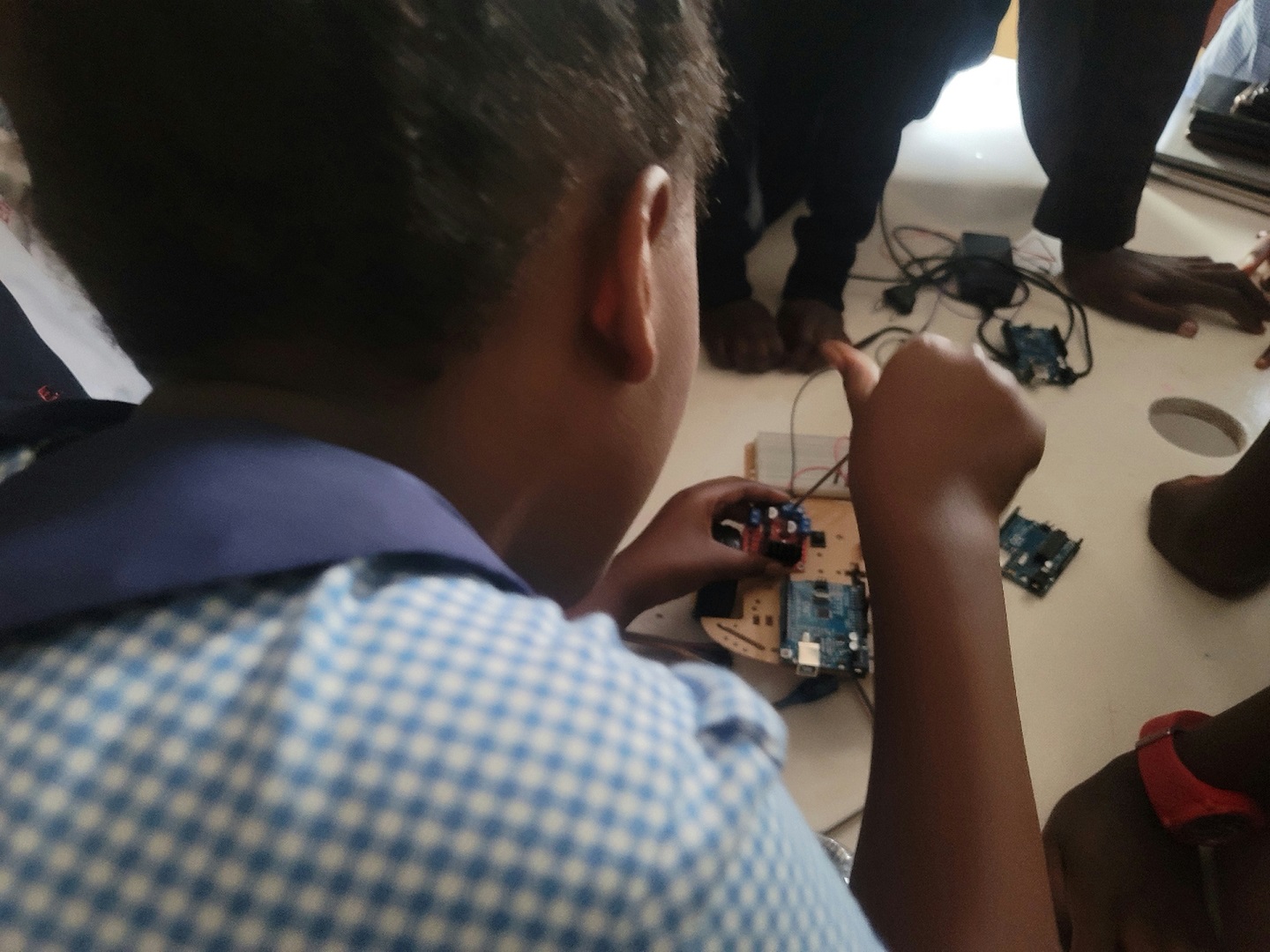
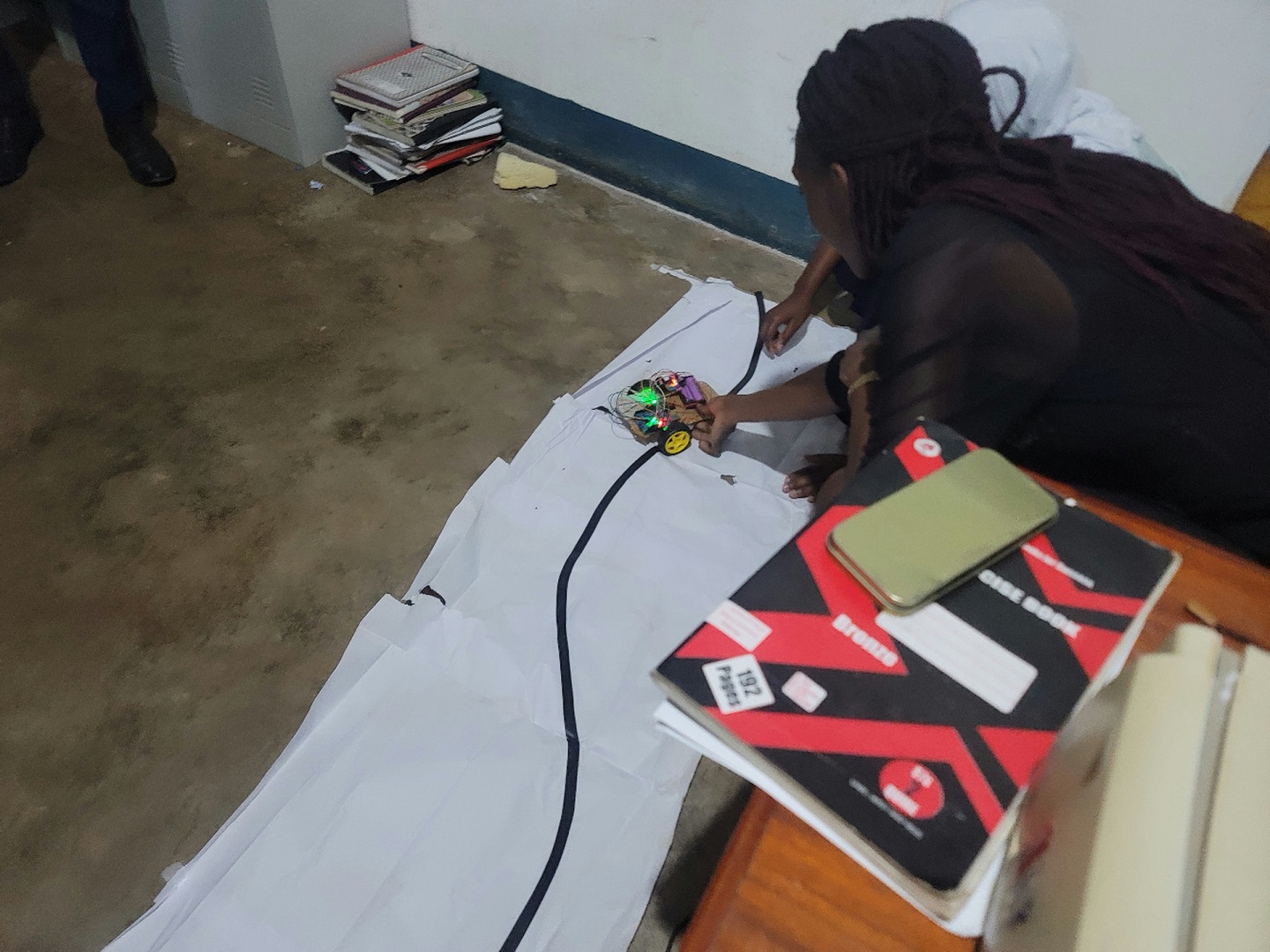
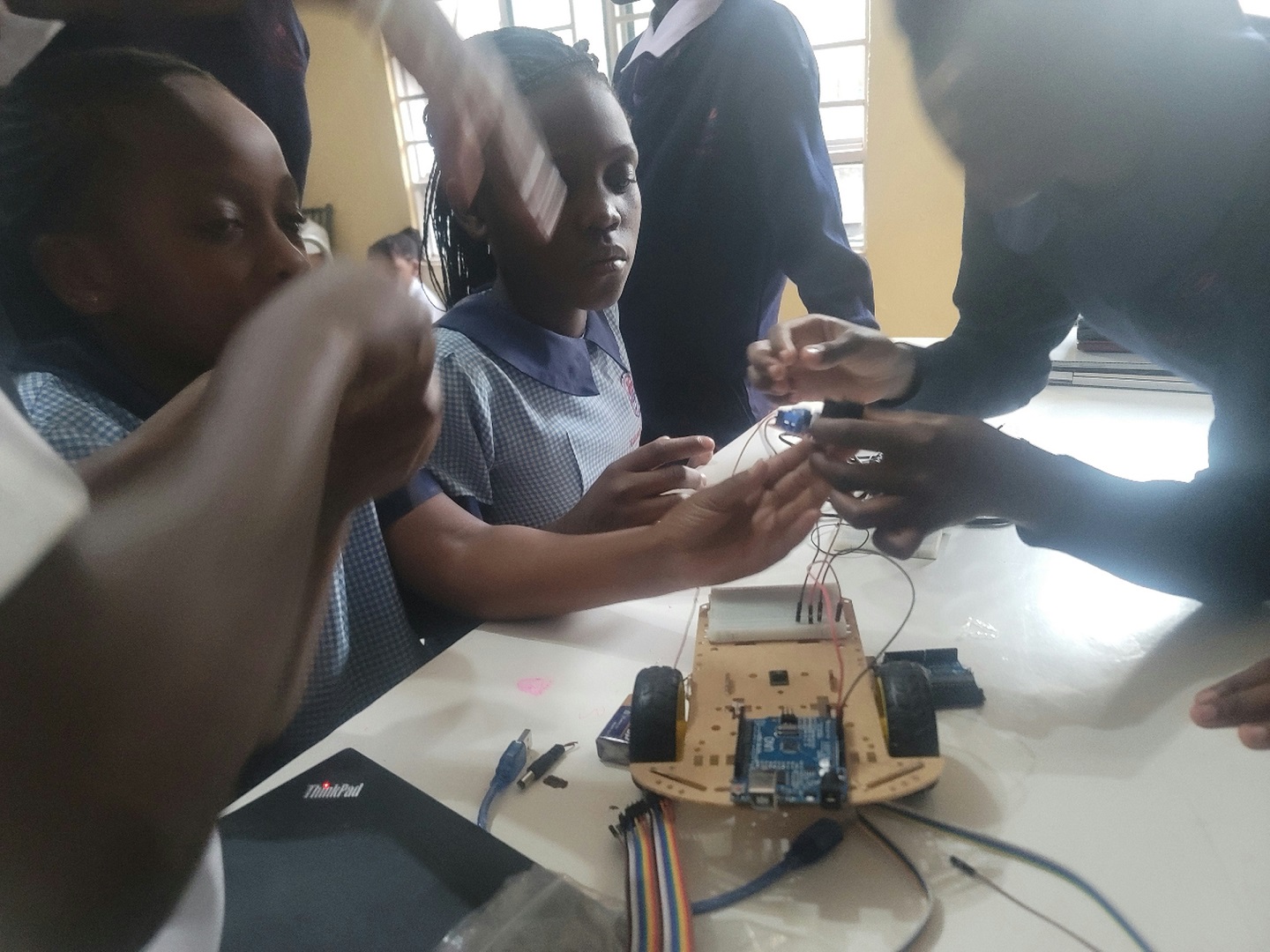
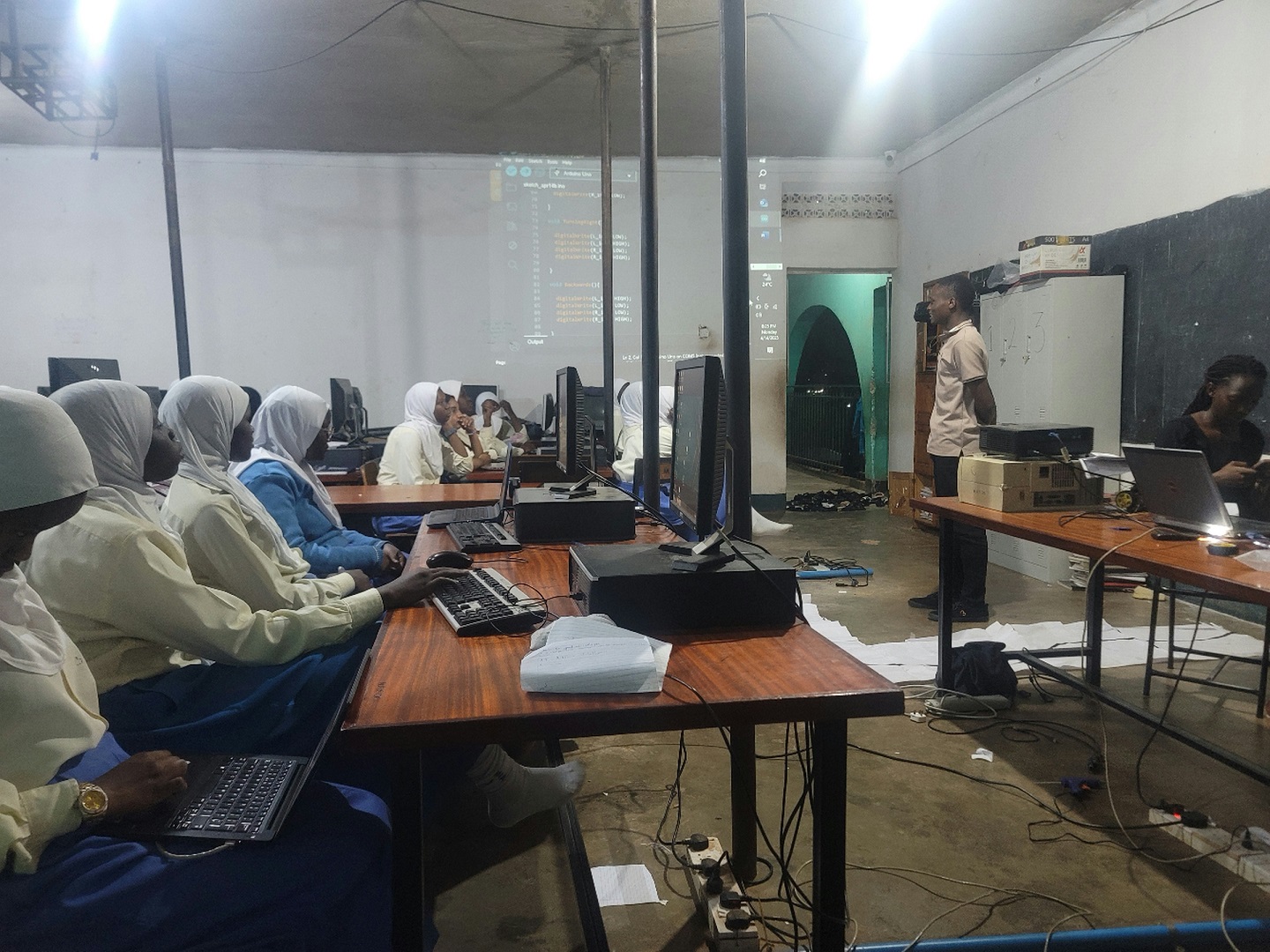
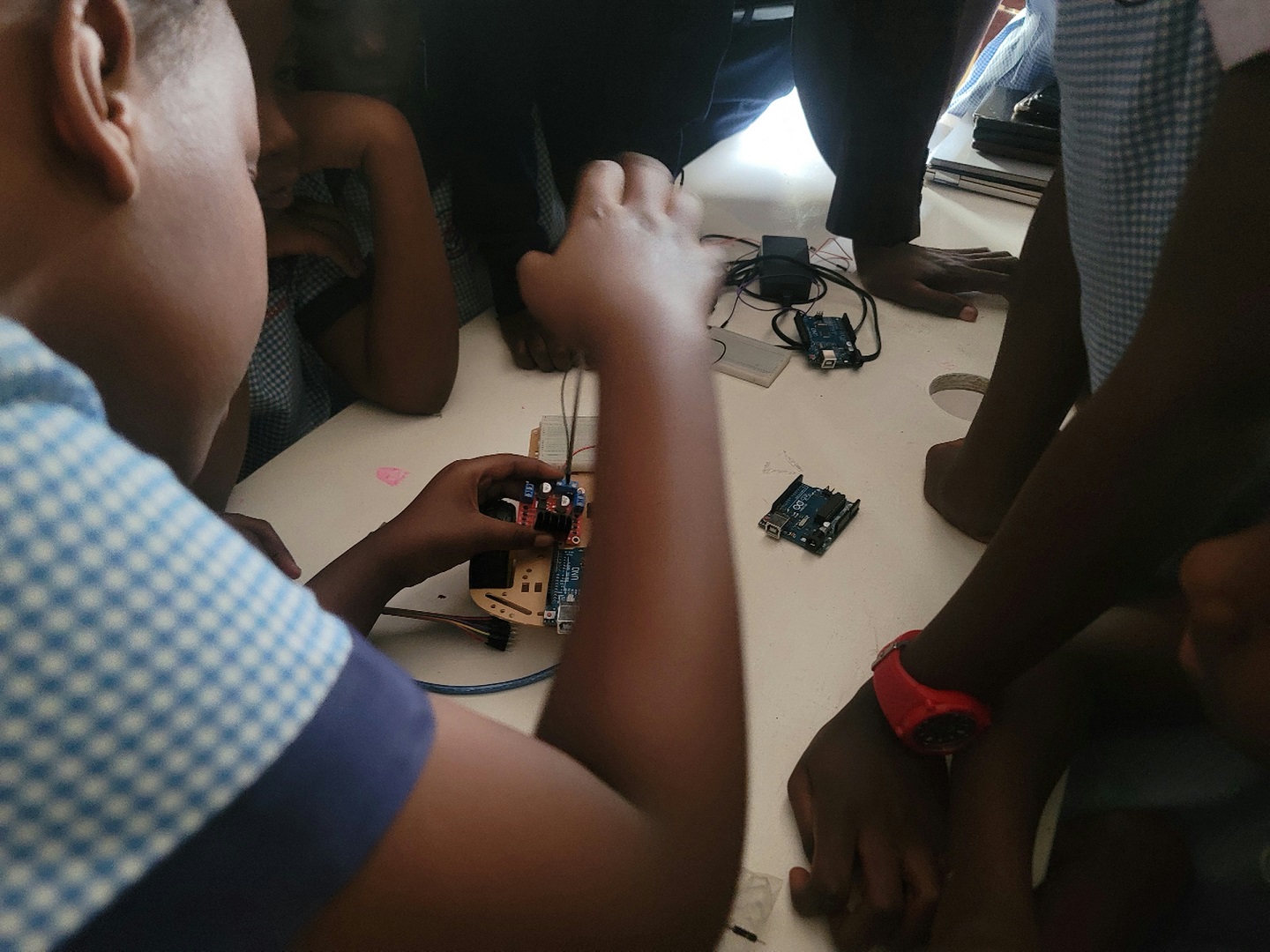
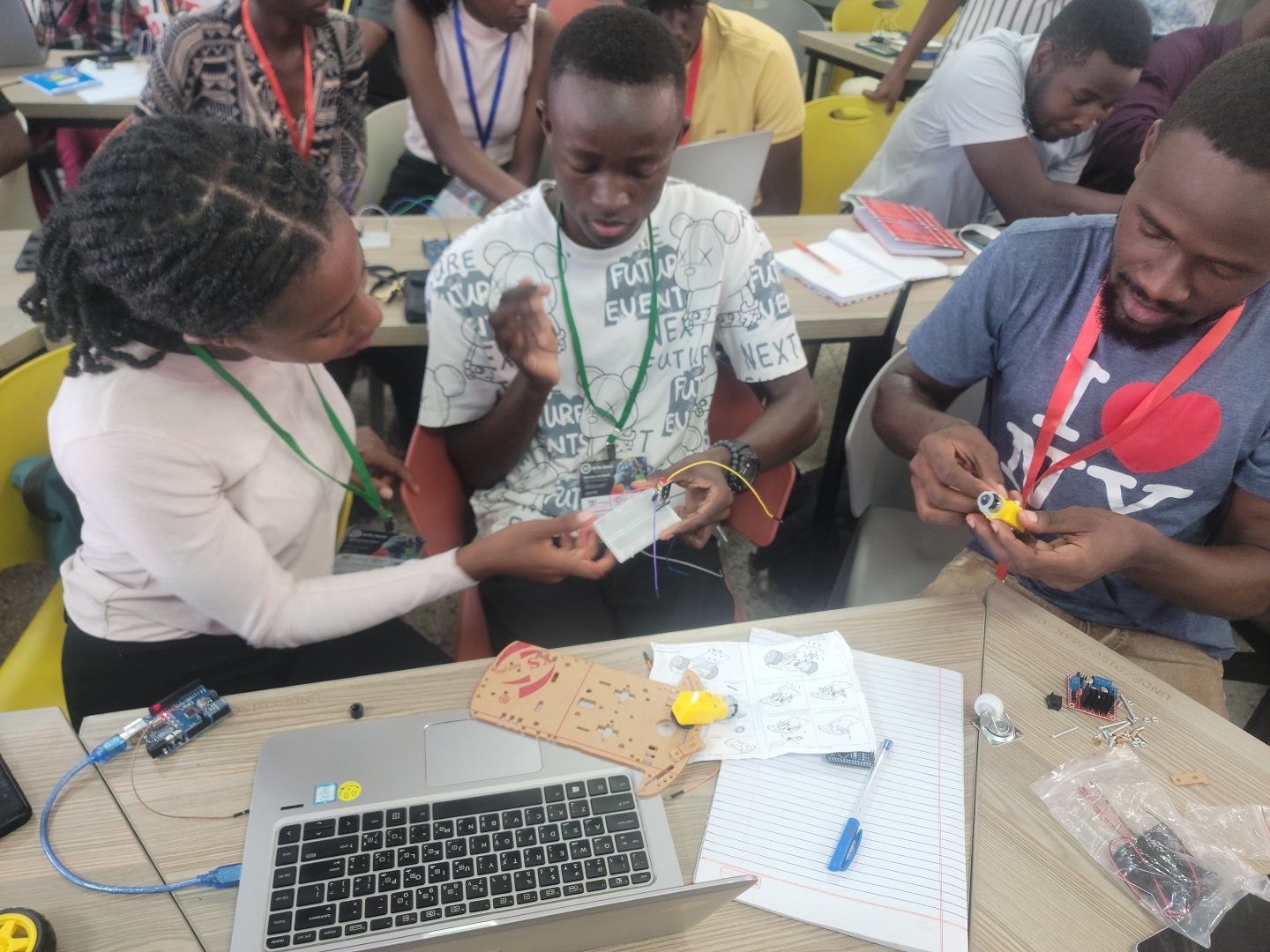
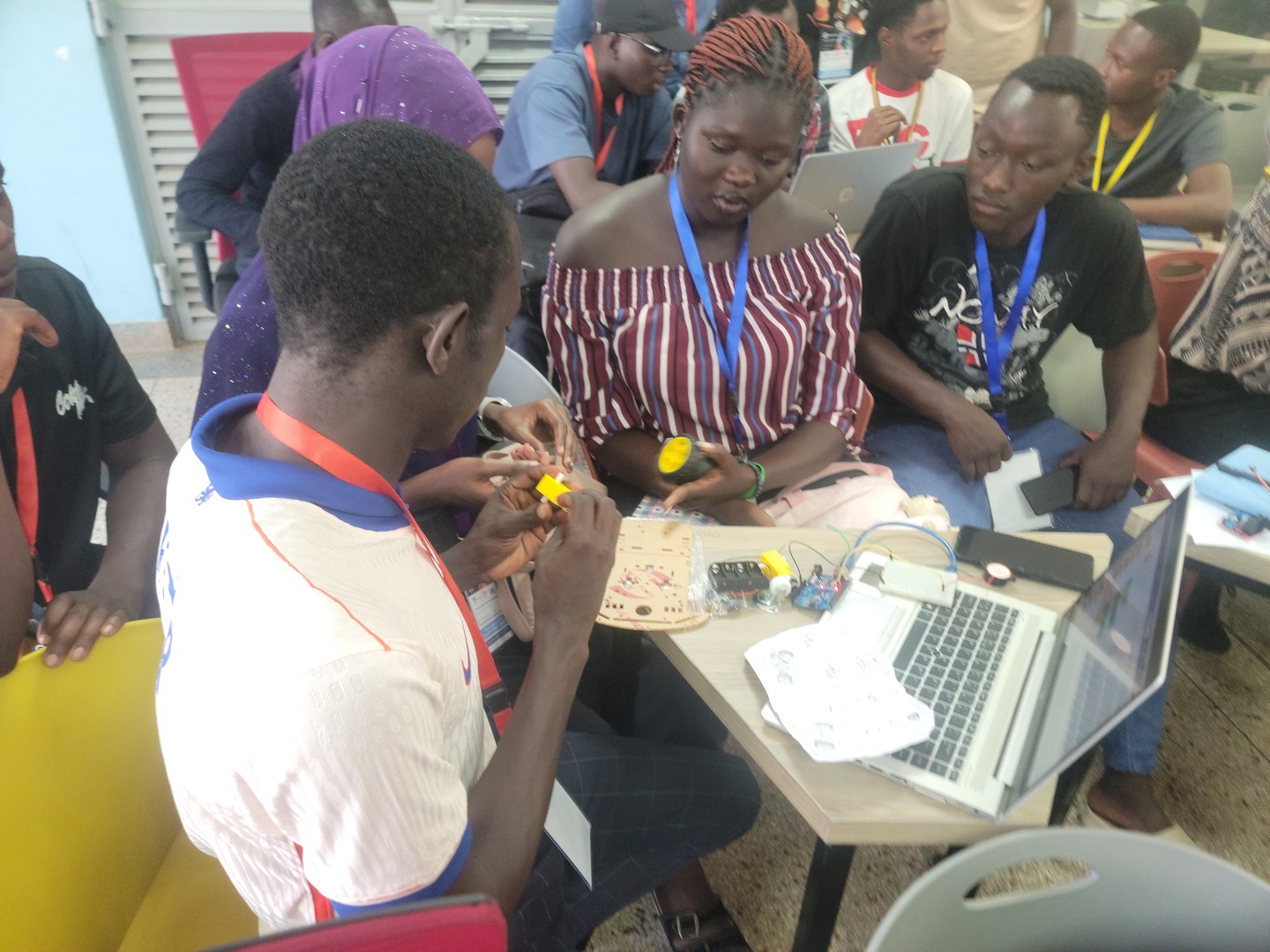
Throughout the week, students were introduced to the fundamentals of robotics, including microcontrollers, sensors, and actuators, while gaining hands-on experience building simple robotic systems using Arduino platforms. As the sessions progressed, participants moved beyond basic electronics to explore autonomous robot logic, sensor integration, and prototype development.
A key highlight of the training was the focus on designing robotics solutions for food security, the global theme of the upcoming challenge. Working in teams, participants brainstormed and developed innovative concepts for robots that could support agriculture—ranging from smart irrigation systems and crop monitoring robots to automated solutions for reducing food losses.
Beyond technical skills, the workshop emphasized teamwork, creativity, and problem-solving, encouraging students to think critically about how robotics and AI can address some of the most pressing development challenges facing Uganda and the world.
By the end of the week, participants had begun shaping their robot prototypes and project ideas in preparation for the national stage of the Robotics for Good Youth Challenge. The training also fostered a strong sense of community among young innovators eager to collaborate and contribute to technology-driven solutions for sustainable development.
As the program continues, the initiative aims to inspire more young people to explore robotics, strengthen Uganda’s innovation ecosystem, and prepare teams that could represent the country on the global stage.
Through initiatives like this, Creative Child Foundation and its partners are helping nurture the next generation of engineers, innovators, and problem-solvers who will use technology to build a better future.
DAY 3
DAY 2
DAY 1
Gallery - Open training workshop for over 600 secondary school students
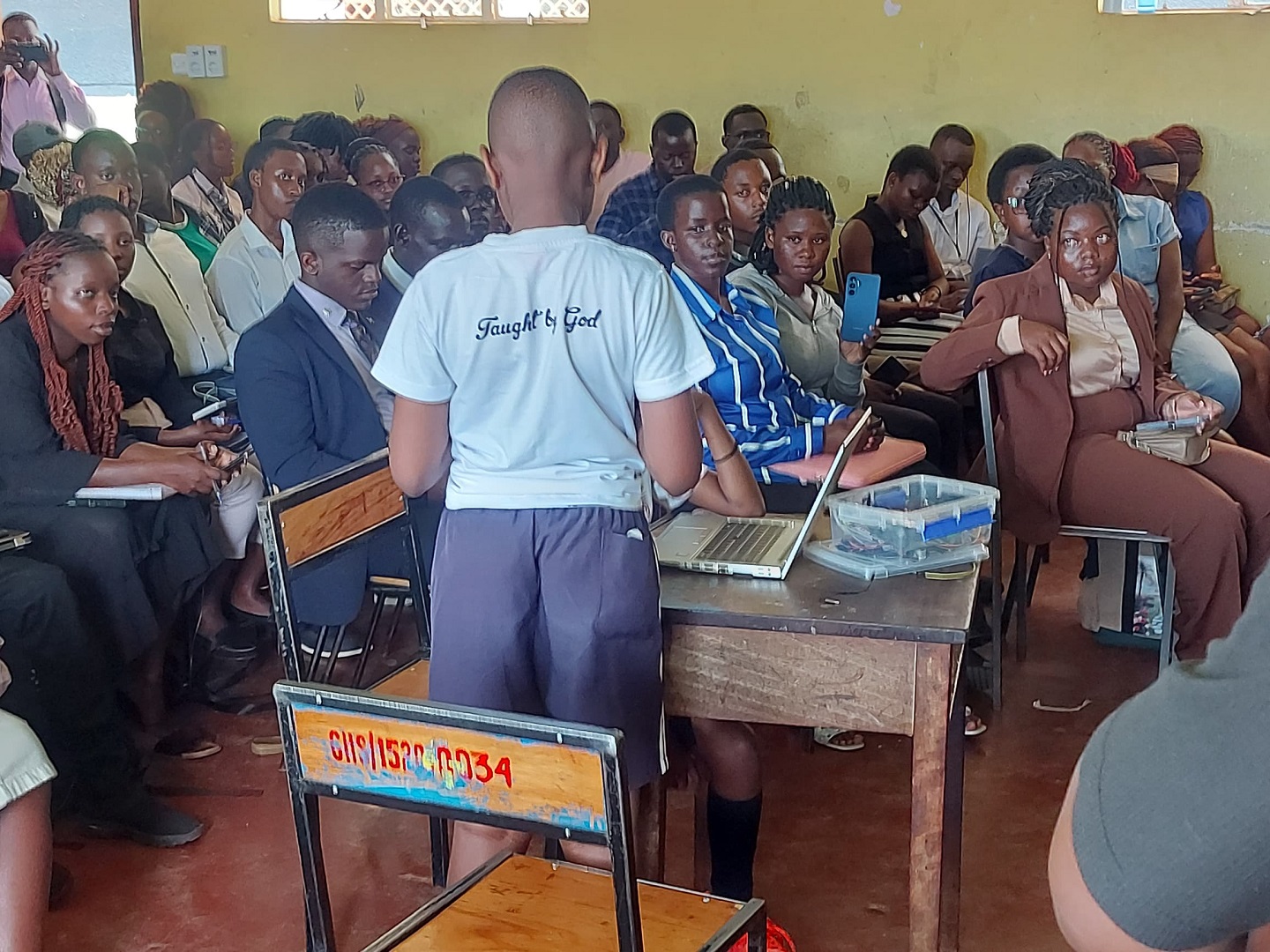
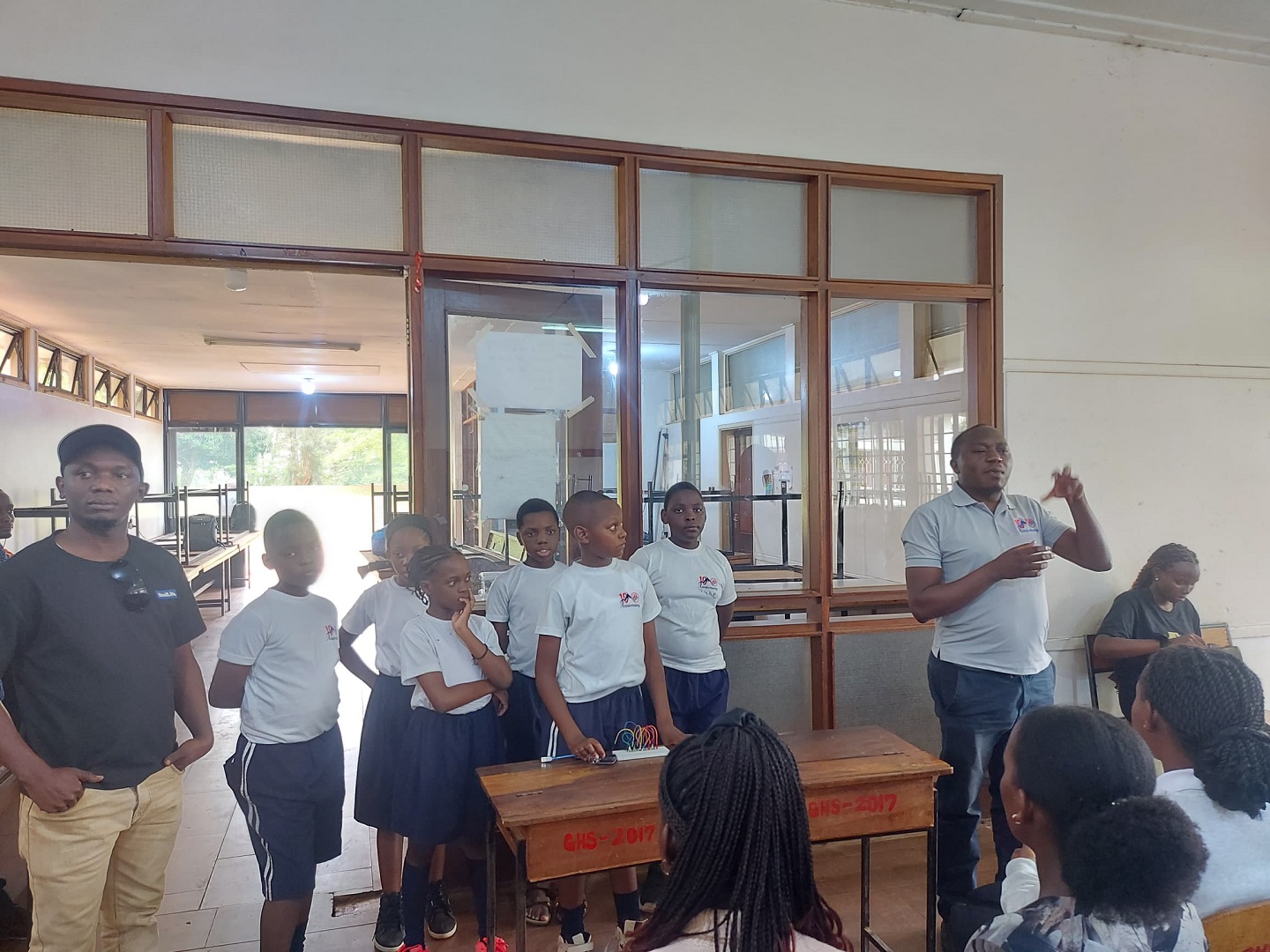
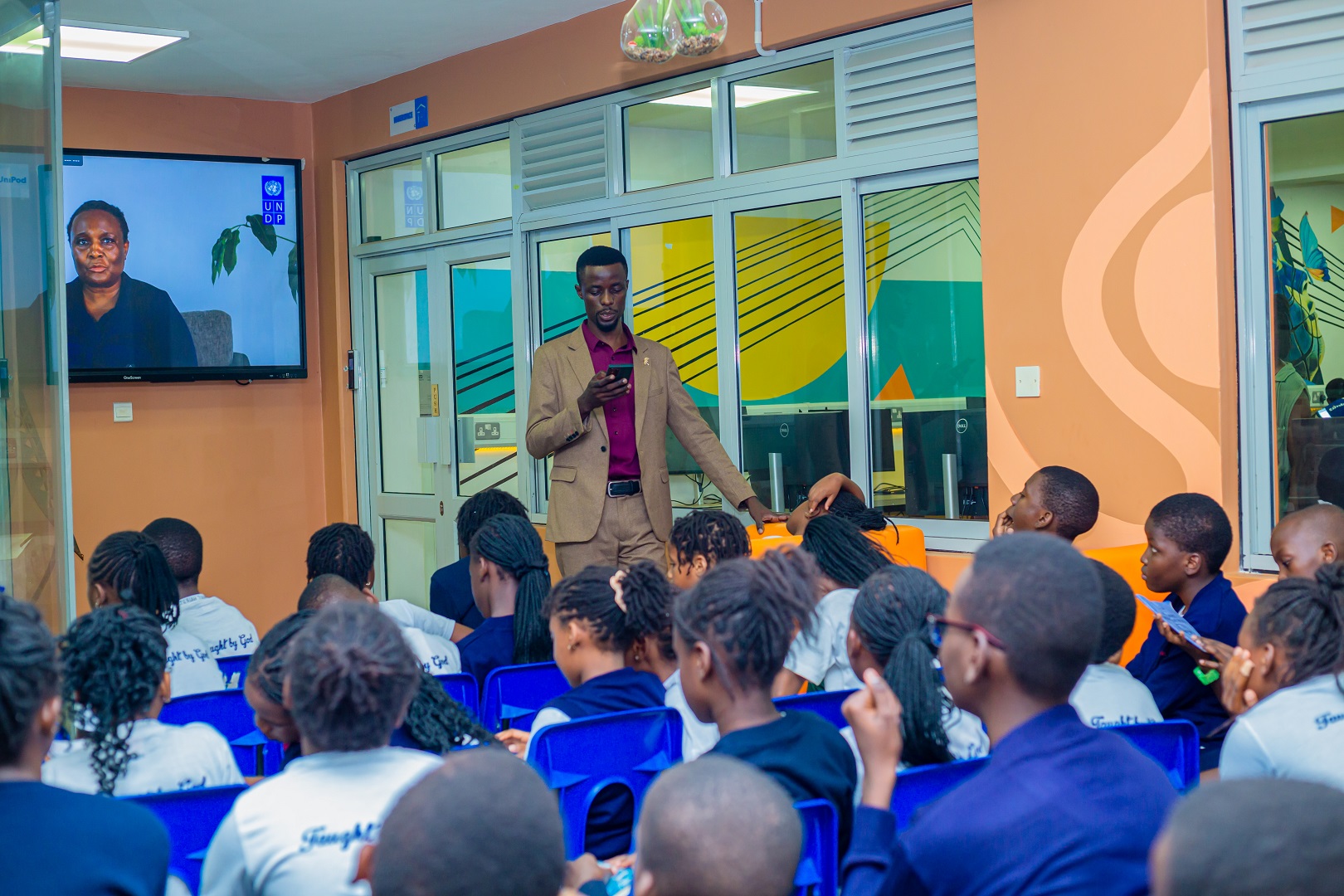
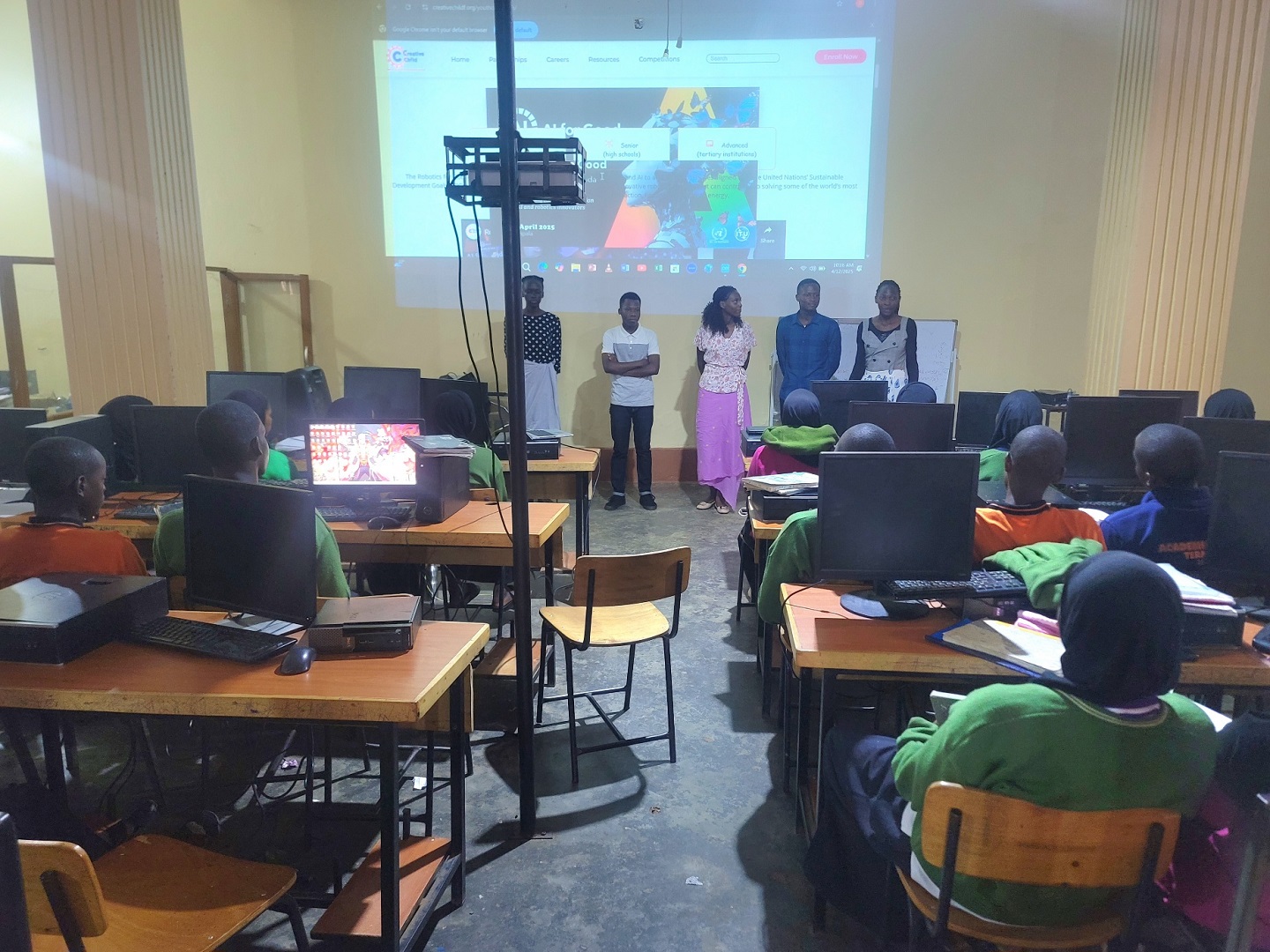
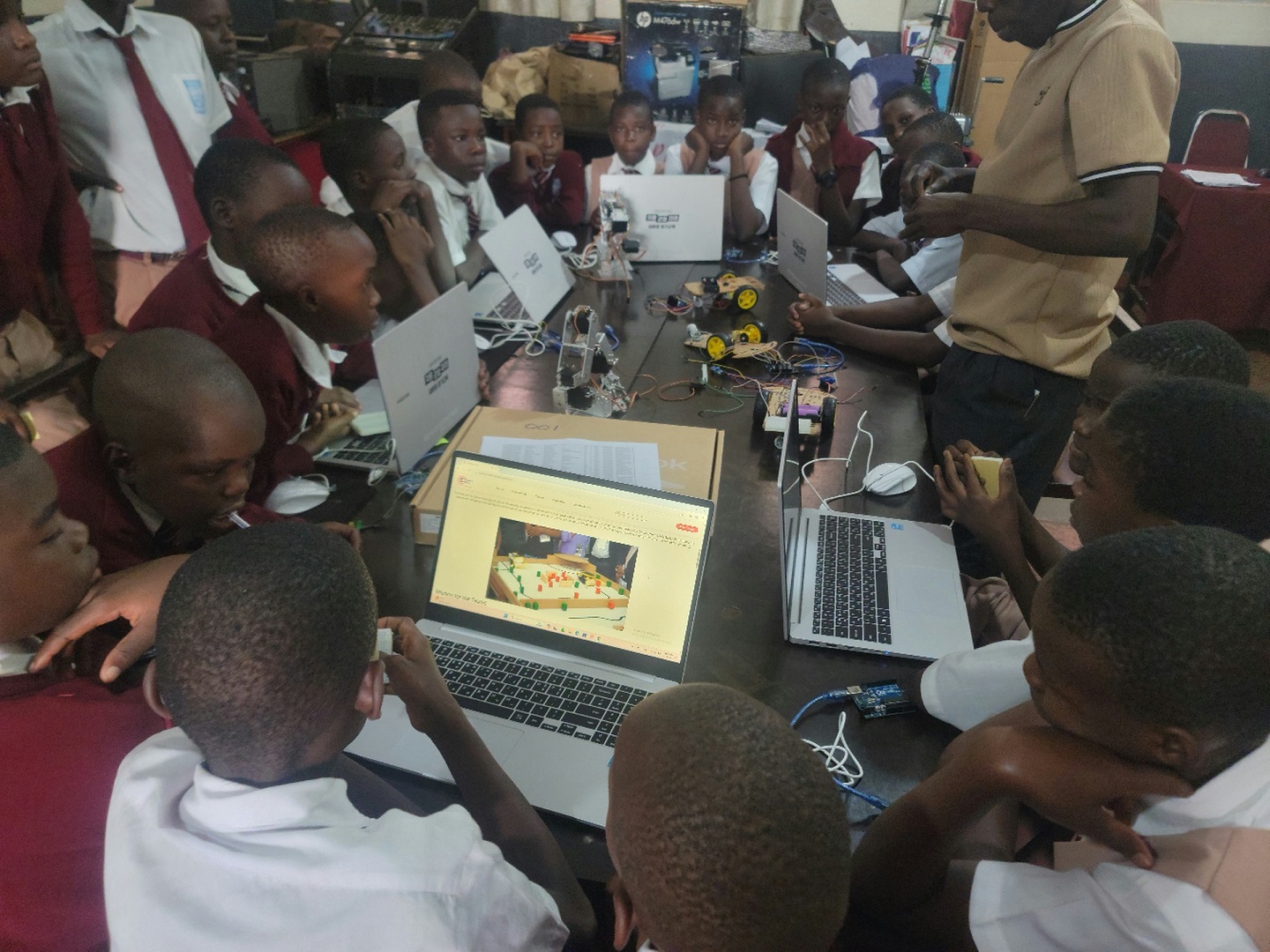
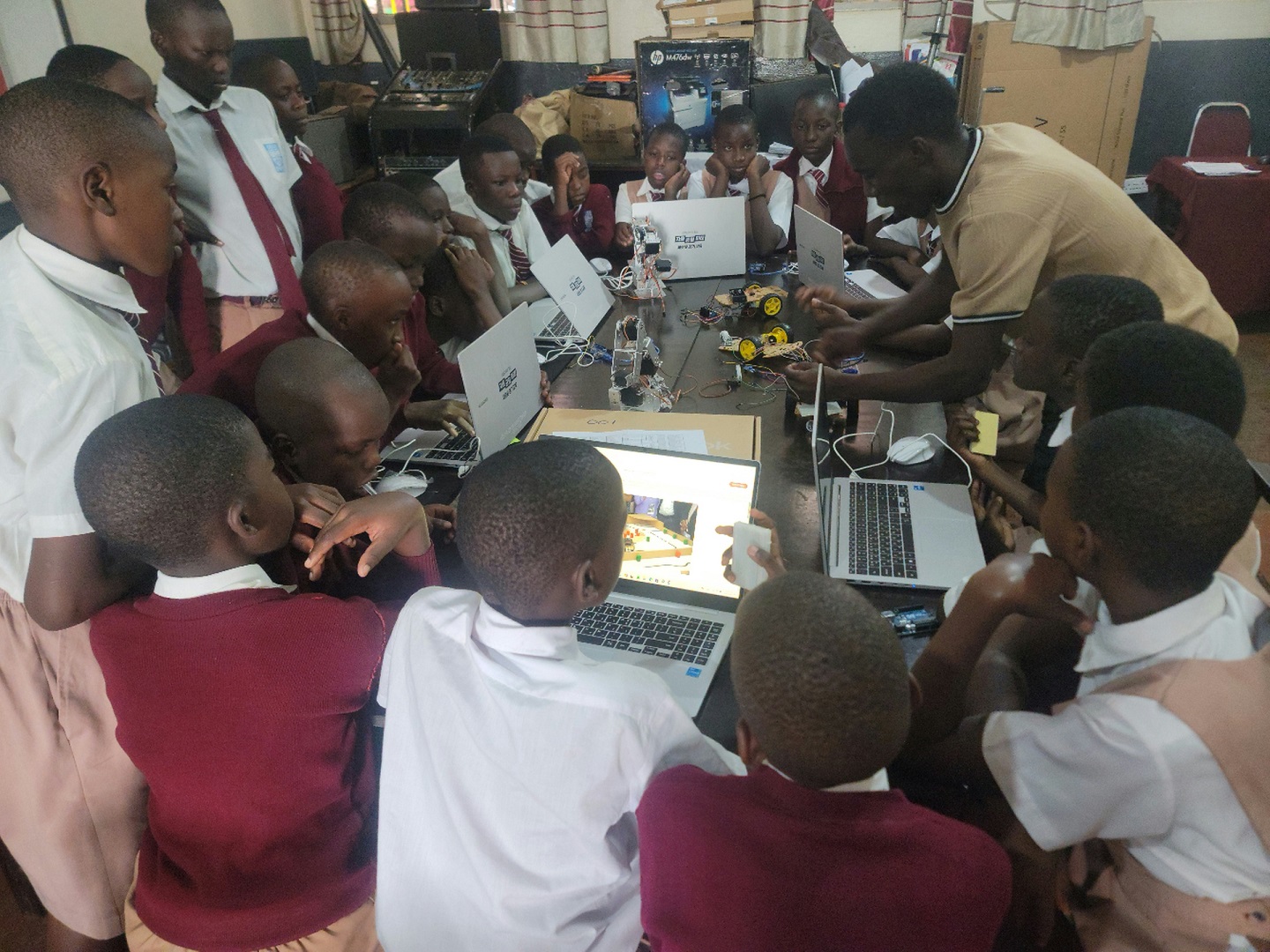
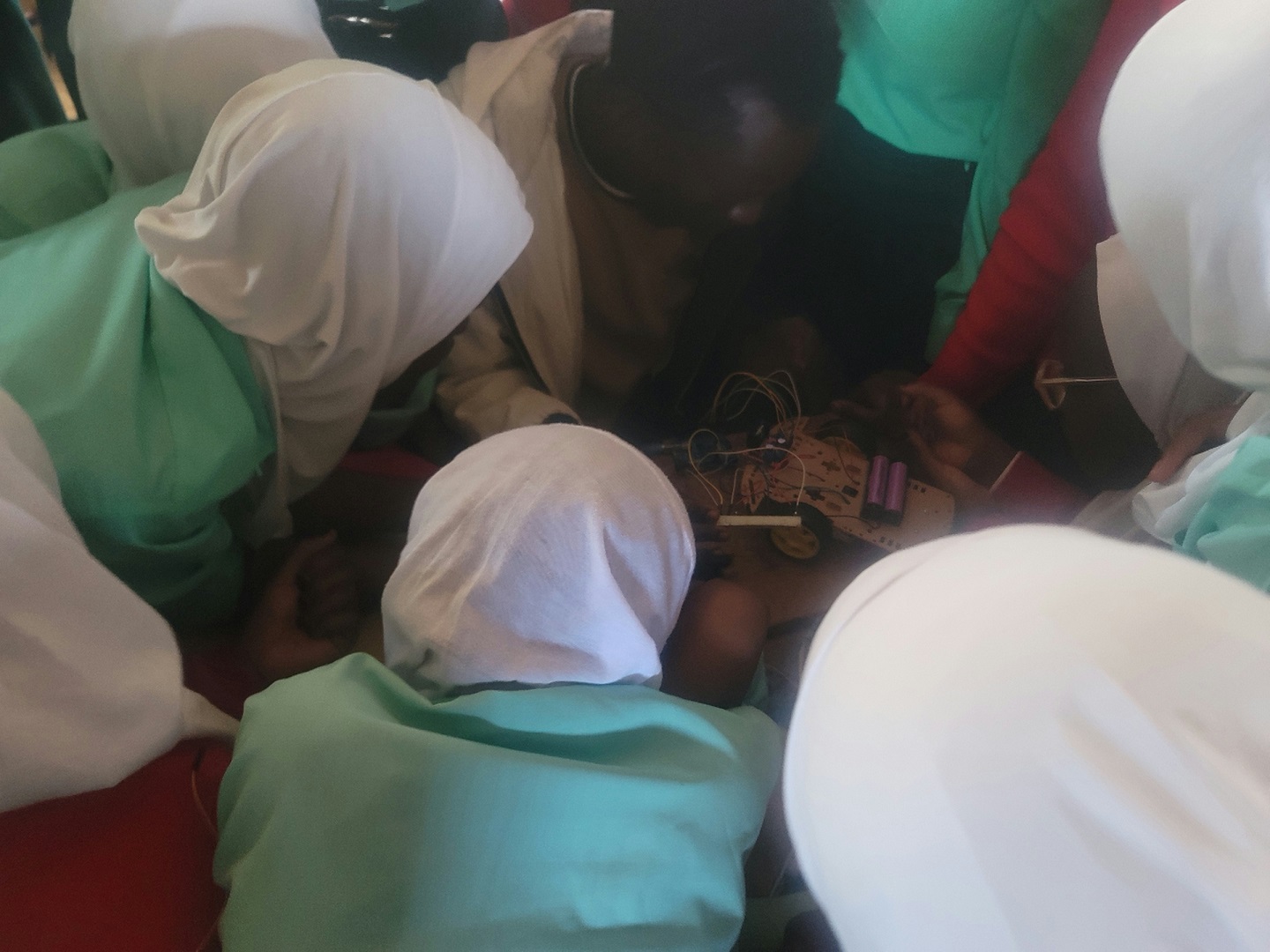
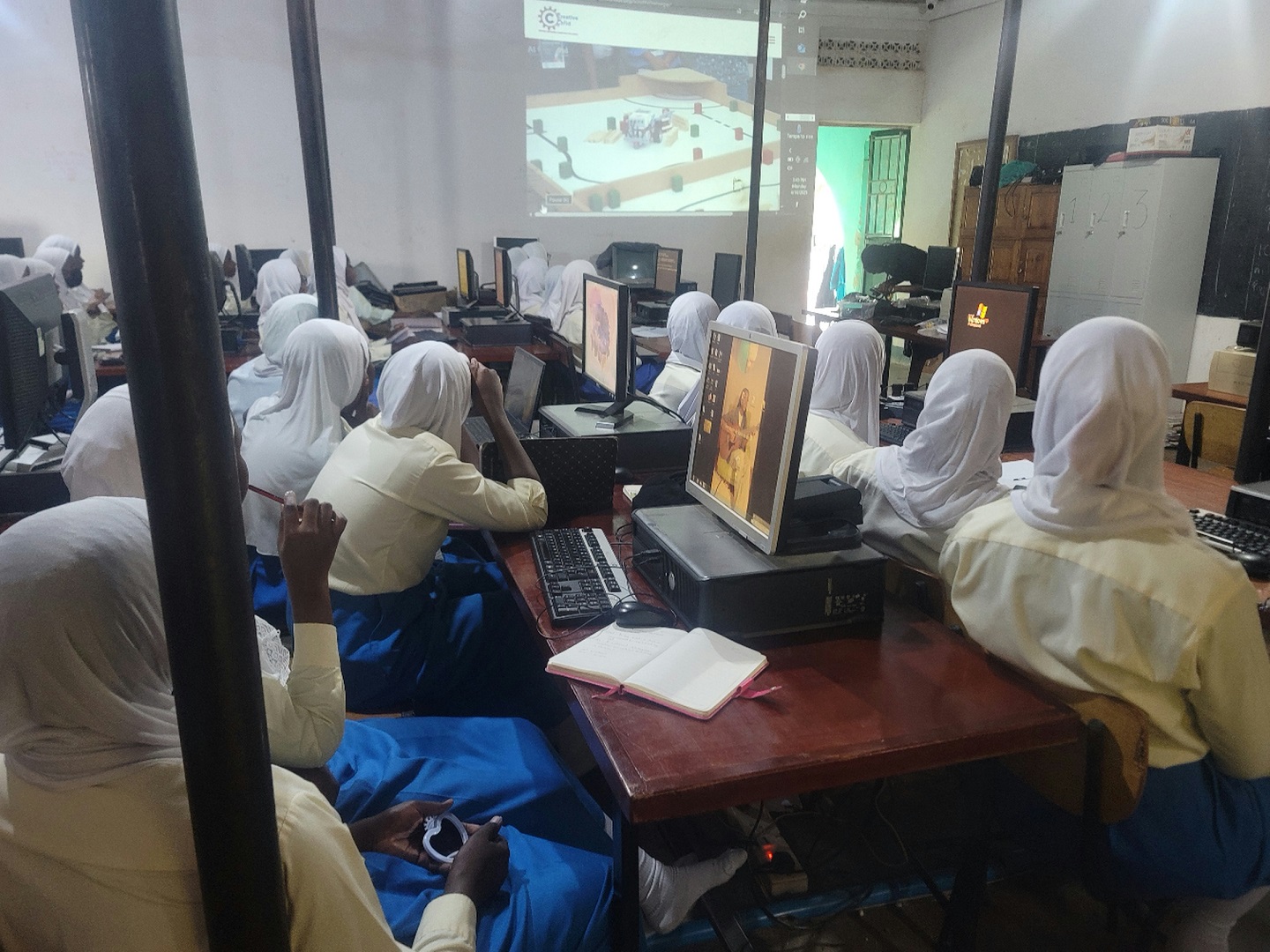
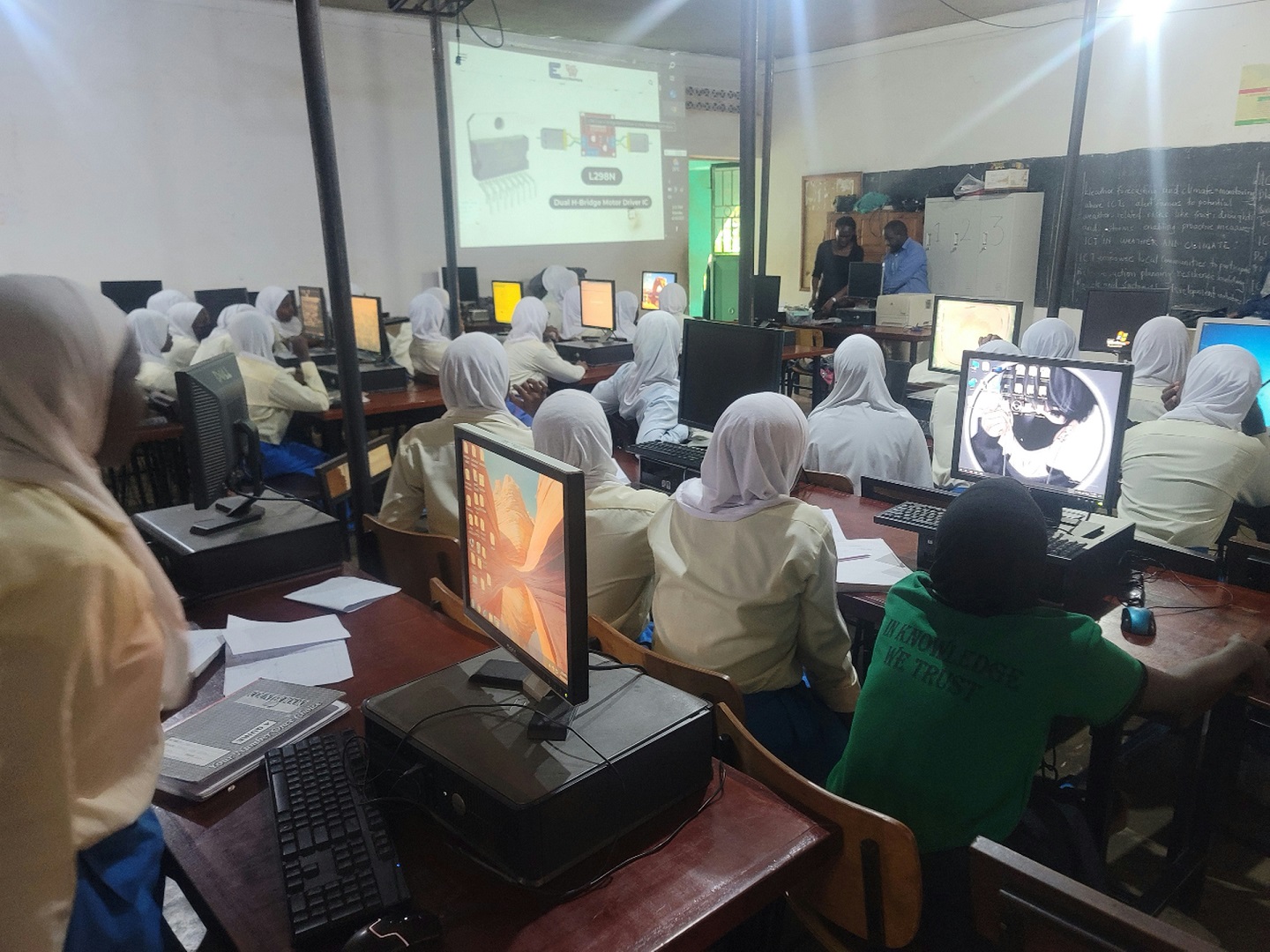
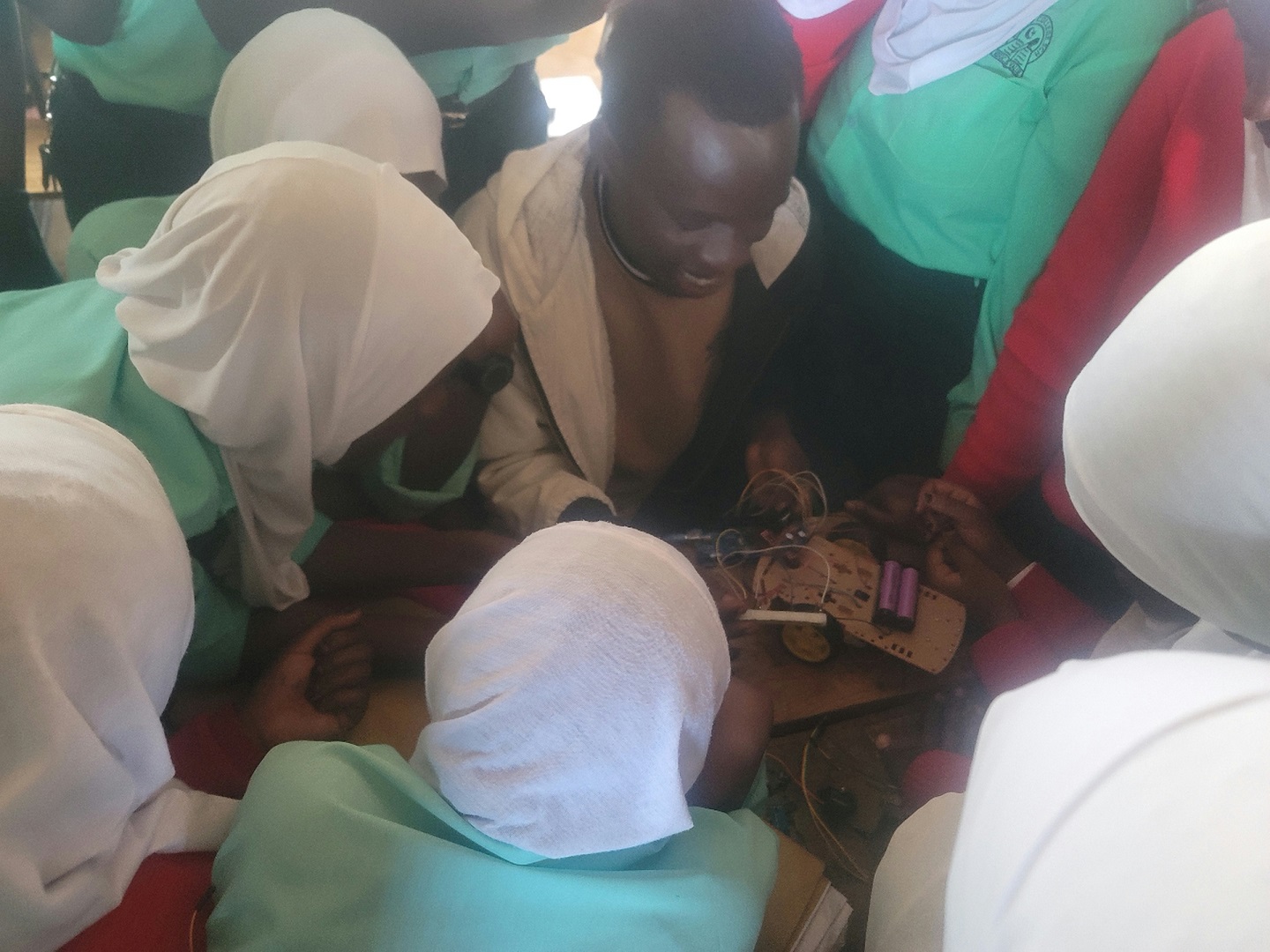
In preparation for the upcoming Robotics for Good Youth Challenge 2026 – Uganda Chapter, the Creative Child Foundation, in partnership with the Makerere University Innovation Pod and the Inter-versity Mentorship Forum, on 18th December 2025 conducted an impactful robotics and engineering workshop at Gayaza High School.
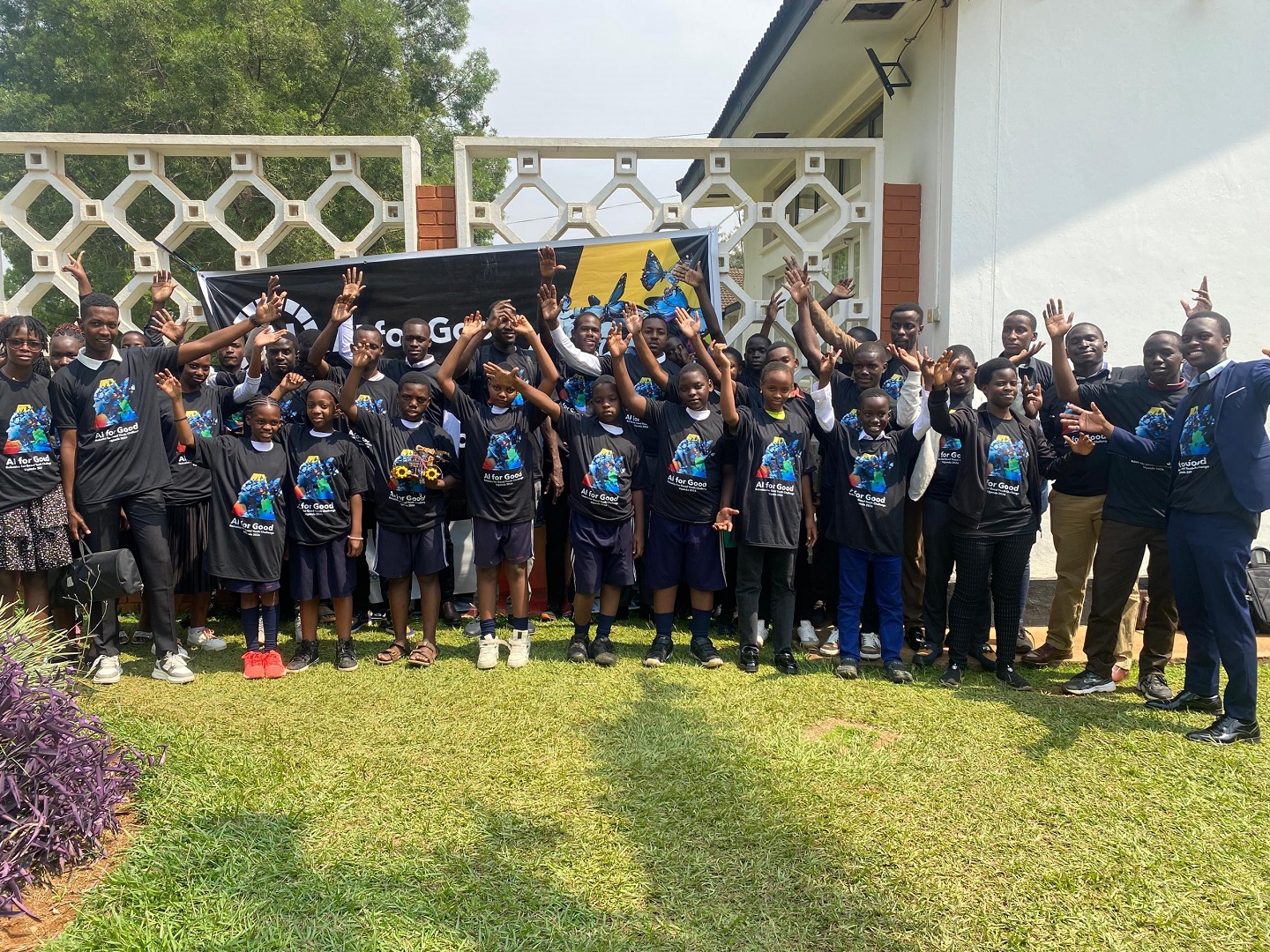
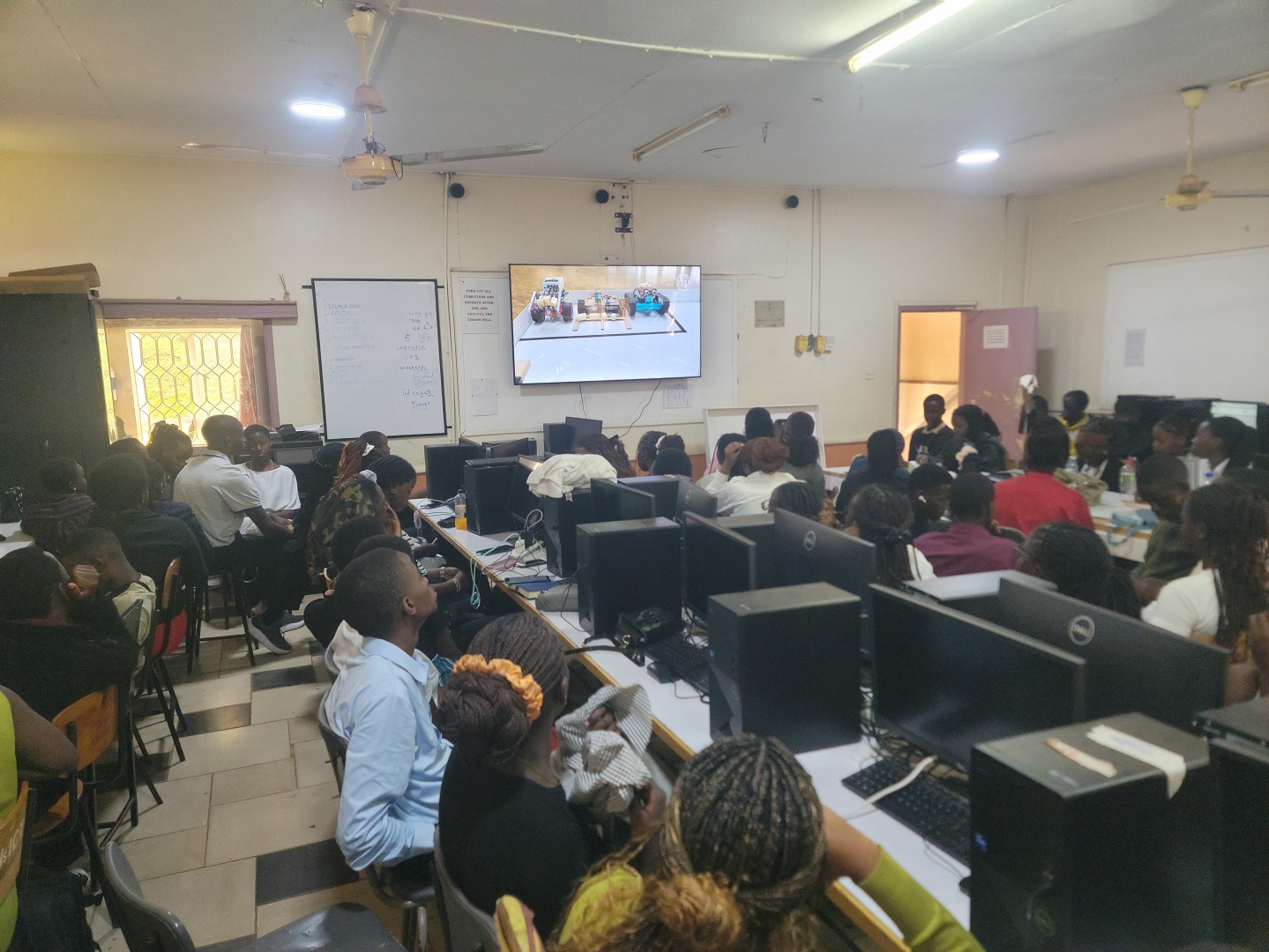
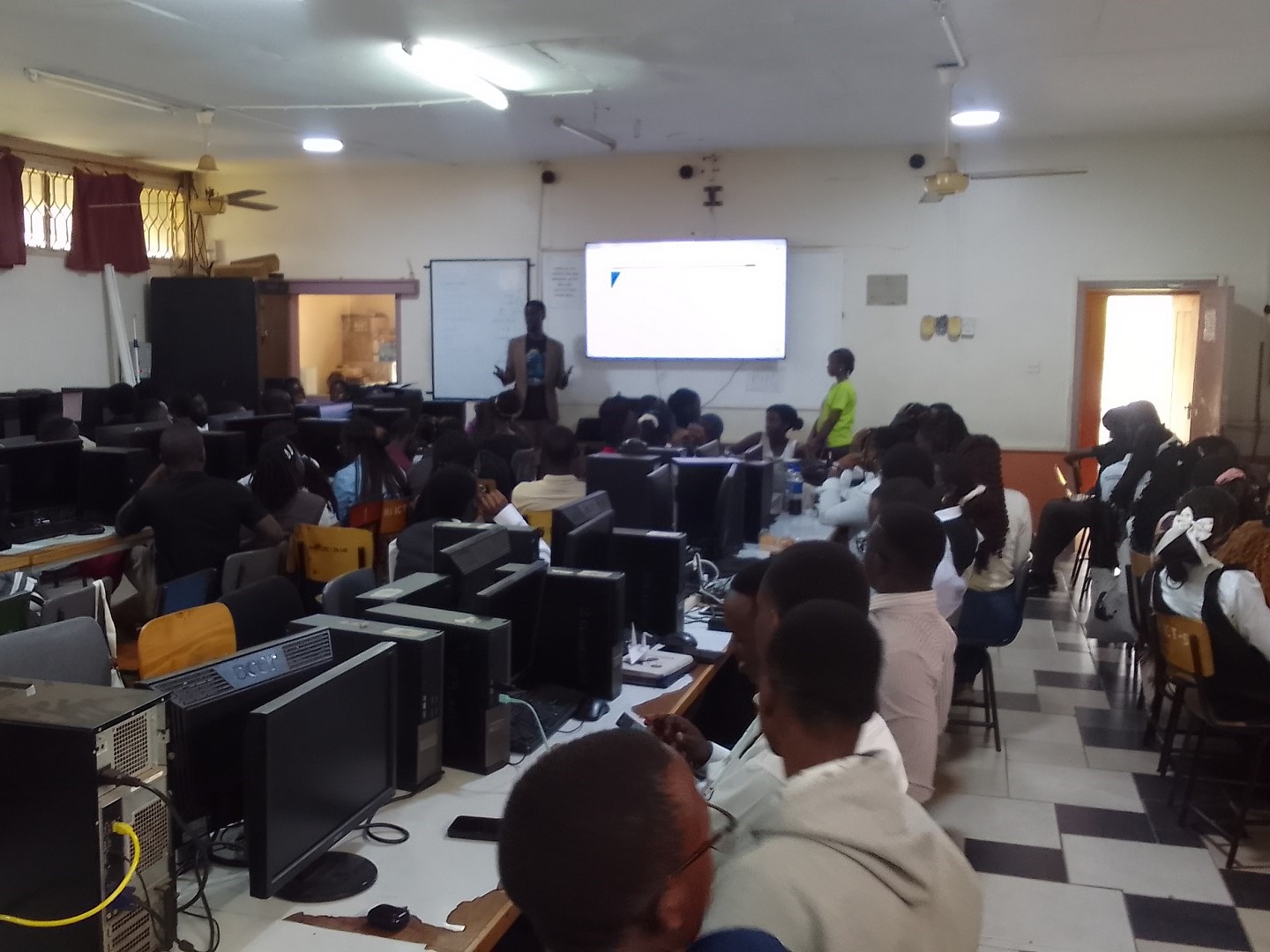
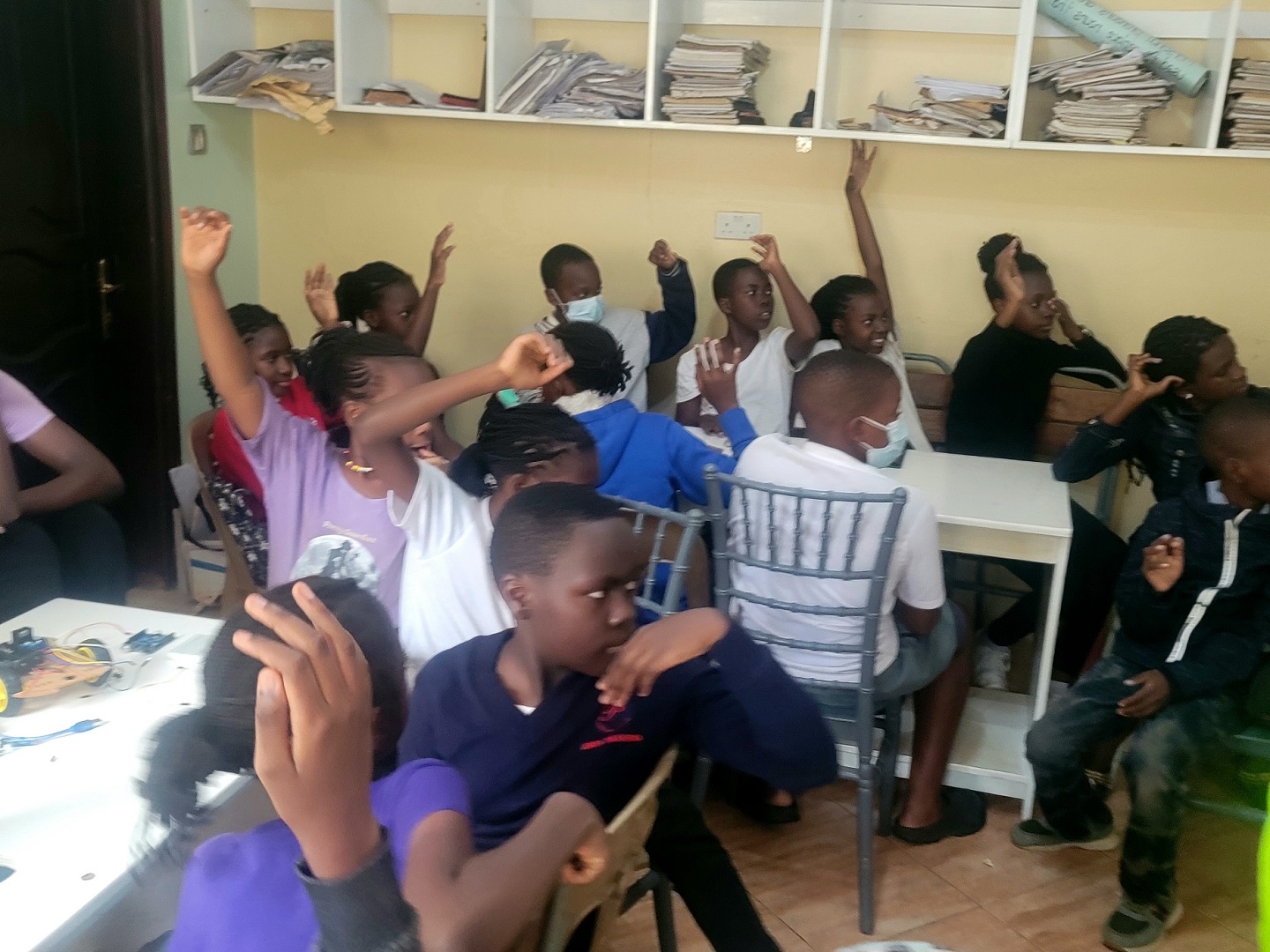
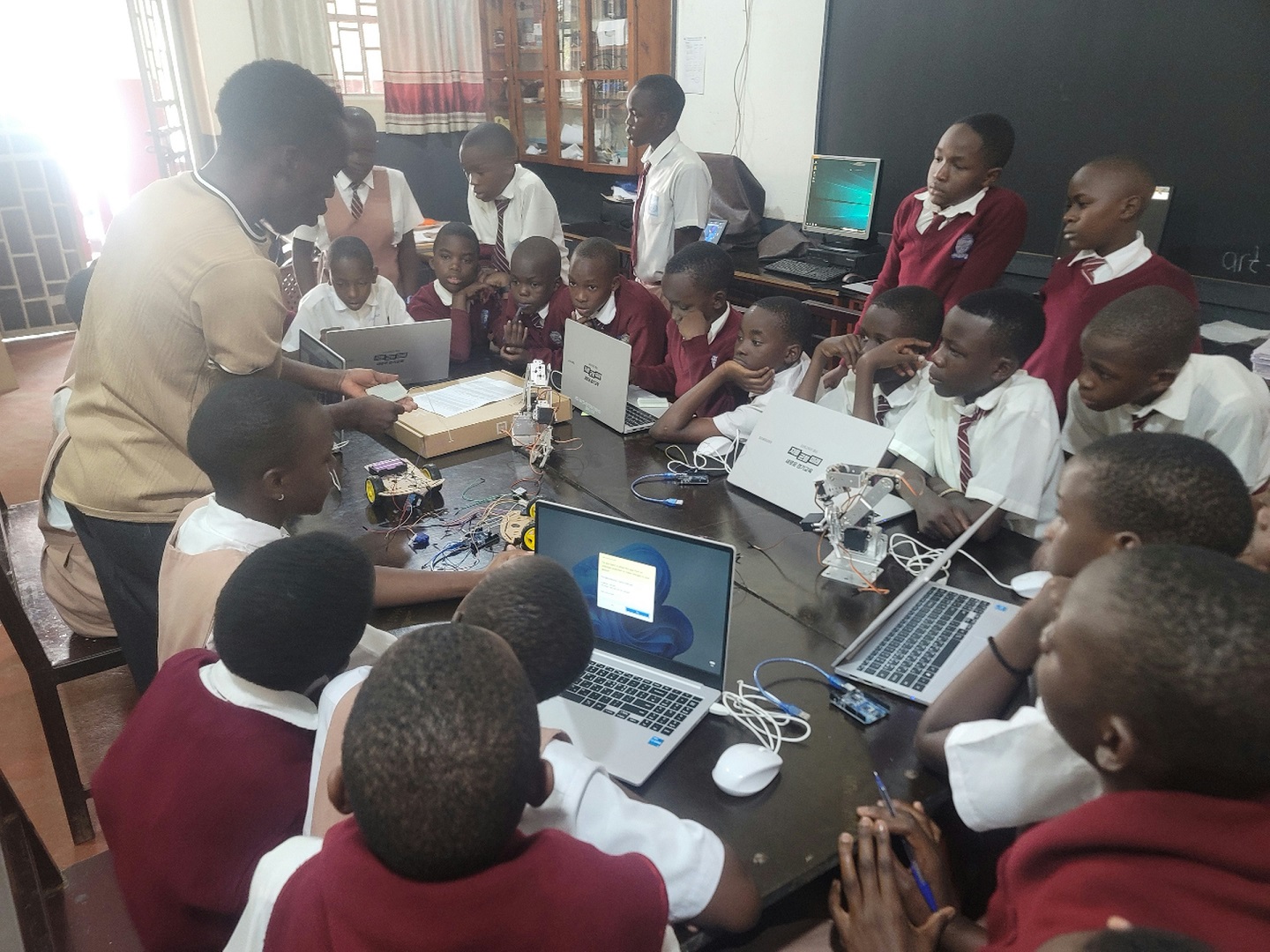
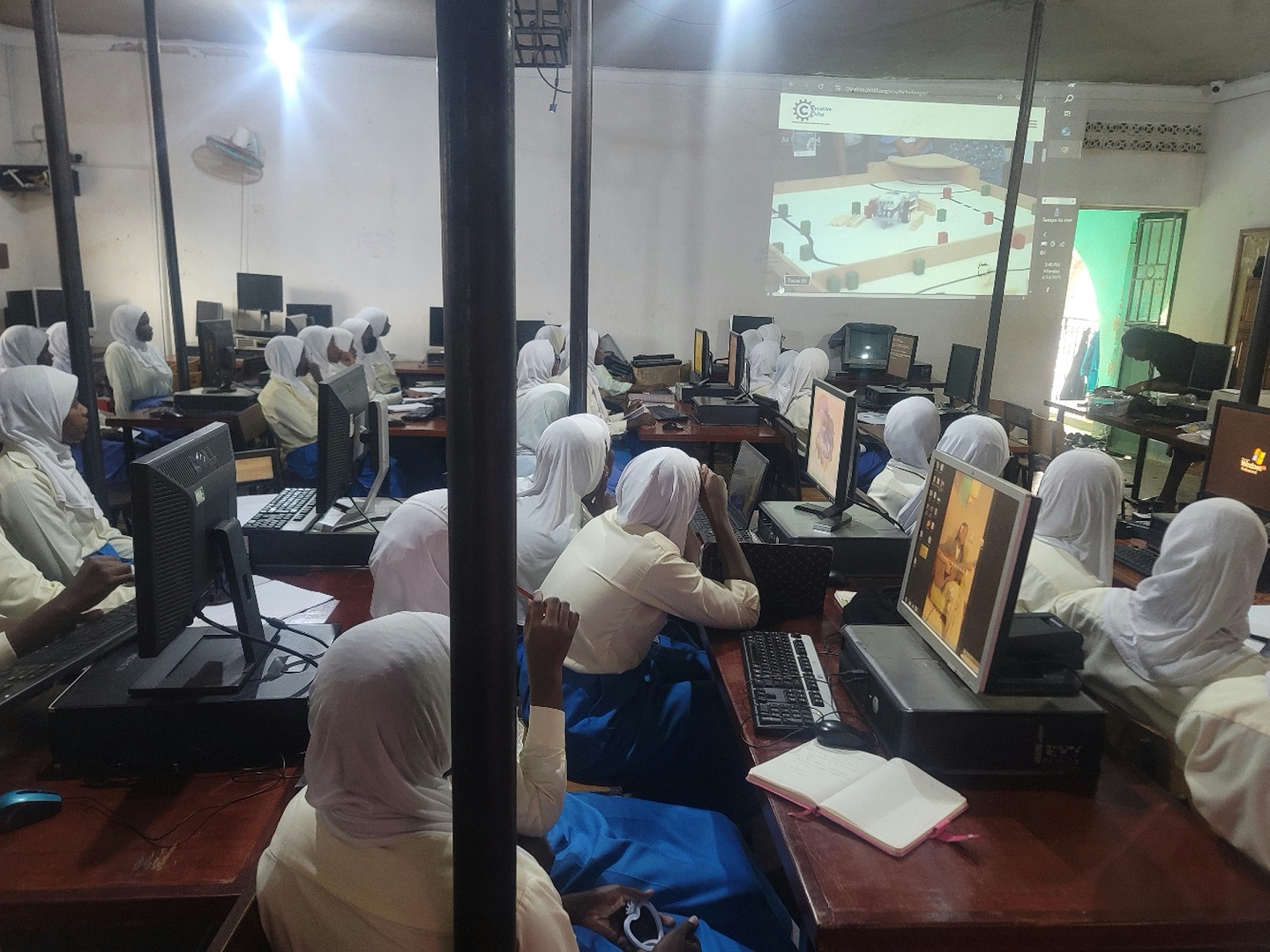
The three-hour interactive workshop introduced over 600 secondary school students to the fundamentals of robotics, engineering design, and creative problem-solving. The session aimed to demystify robotics and artificial intelligence while inspiring young learners to explore careers in science, technology, engineering, and mathematics (STEM).
Bringing Robotics Closer to Young Minds
Through engaging demonstrations and practical explanations, students learned how robotics systems are designed and how engineering thinking can be applied to solve real-world challenges. The workshop also provided an introduction to the upcoming national robotics competition, where students will have the opportunity to design innovative solutions addressing global issues.
A key focus of the training was inclusion and early exposure to technology, ensuring that both girls and boys—many encountering robotics for the first time—could confidently participate in STEM learning opportunities.
A Global Movement for Youth Innovation
The Robotics for Good Youth Challenge is part of a global initiative led by the International Telecommunication Union, encouraging young innovators worldwide to build robotics solutions that address real societal challenges. Participants in the Uganda chapter will progress through national competitions with the possibility of representing the country at the AI for Good Global Summit in 2026.
Building the Future Through STEM
This outreach workshop reflects Creative Child Foundation’s commitment to empowering young people with digital and engineering skills that prepare them for the future economy. By introducing robotics early and providing accessible learning experiences, the initiative is helping nurture a new generation of problem-solvers, innovators, and technology leaders in Uganda.
As preparations continue for the national finals in 2026, more schools and students will be engaged through training, mentorship, and innovation activities designed to unlock the full potential of Uganda’s youth.
At Creative Child Foundation, we believe that when young minds are given the tools to innovate, they can build solutions that transform communities and shape a better future for the world. 🚀
Peak Primary School - Ntinda & Our Lady of Africa SS shine
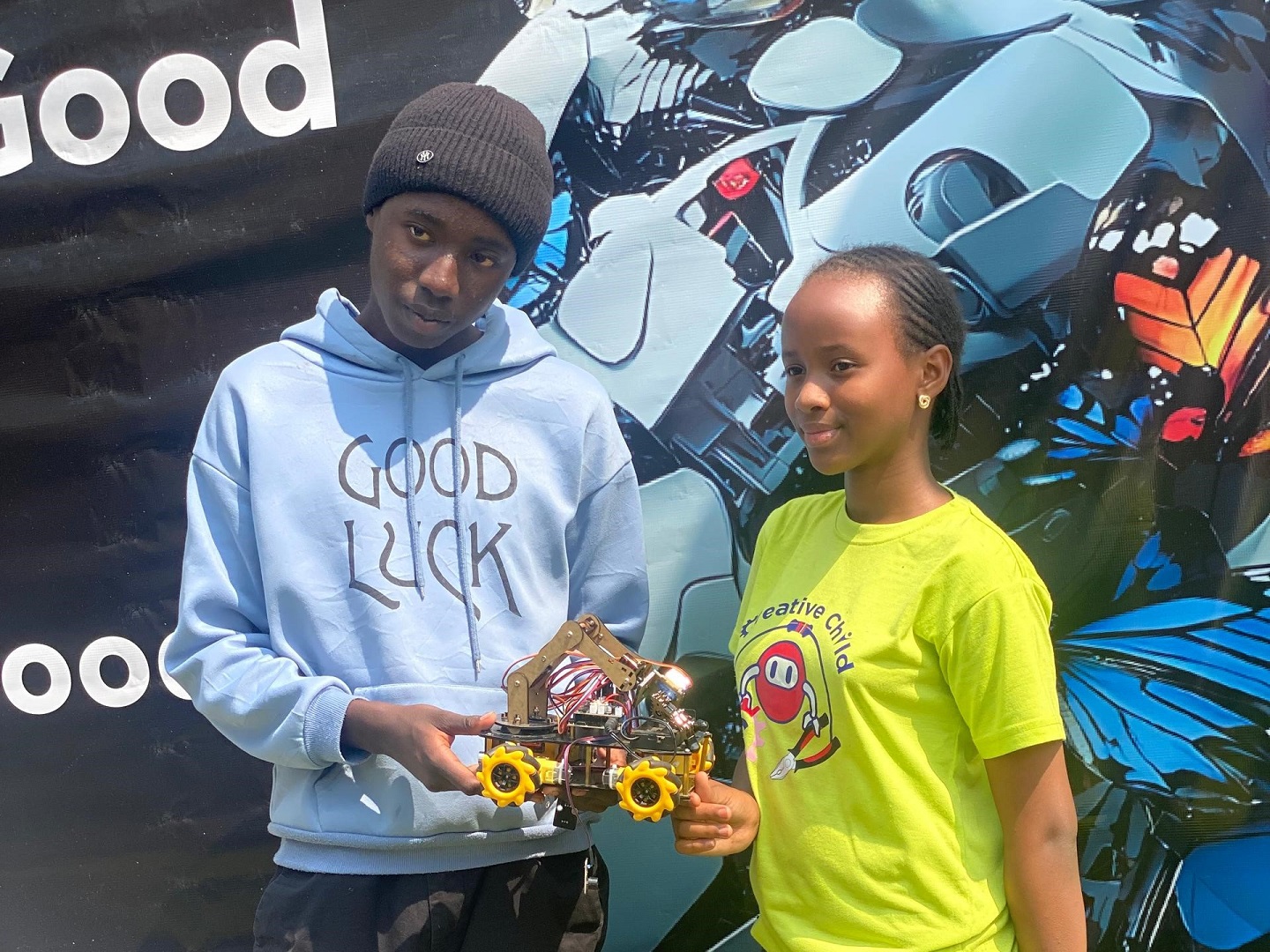
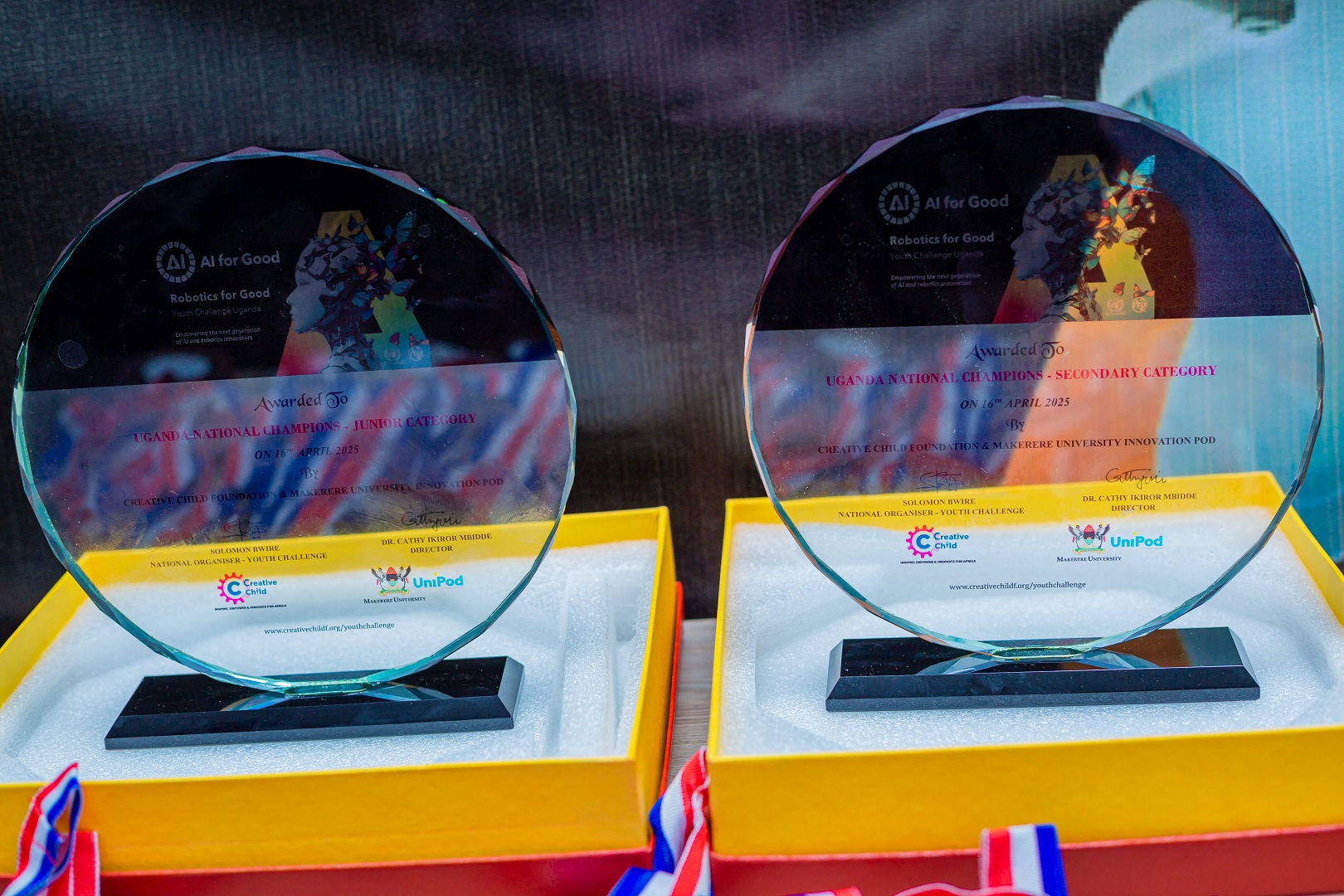
In an intense competition filled with creativity, collaboration, and problem-solving, Our Lady of Africa SS (Senior Category) and Peak Primary School (Junior Category) emerged as the national champions of 2024/2025 edition!
The Robotics for Good Youth Challenge is more than a competition; it is a platform that empowers young people aged 8 to 18 to become innovators and changemakers through hands-on experience with Robotics, Artificial Intelligence, and STEM education. Through this program, students gain the confidence and skills needed to tackle real-world challenges — driving sustainable solutions for their communities and beyond.
The national finalists showcased inspiring ideas ranging from early-warning disaster systems, AI-powered emergency response, to sustainable robotics for post-disaster recovery. Their dedication is proof that when young minds are equipped with the right tools, mentorship, and learning spaces, they can innovate for impact.